

Pantoprazole vs Omeprazole: Compare Differences & Prices
Key Takeaways
- Pantoprazole and omeprazole are both proton pump inhibitors used to reduce stomach acid and treat conditions like GERD and ulcers.
- Omeprazole is available over the counter and by prescription, while pantoprazole generally requires a prescription.
- Pantoprazole tends to have fewer drug interactions compared to omeprazole, which may be important for people taking multiple medications.
- Both drugs have similar side effects, such as headache, diarrhea, and abdominal pain, and long-term use of either may increase risks like low magnesium, vitamin B12 deficiency, kidney issues, and bone fractures.
- Pantoprazole can be taken with or without food, while omeprazole is most effective when taken on an empty stomach, about 30 minutes before eating.
Key Similarities
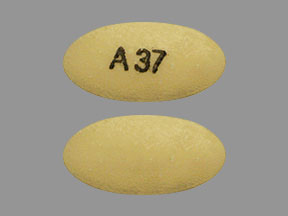 Pantoprazole
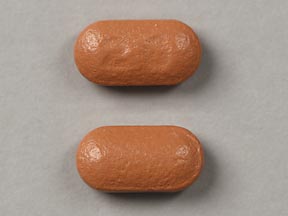 Omeprazole
Comparison Table
| Feature | Pantoprazole | Omeprazole |
| Active Ingredient | pantoprazole sodium | omeprazole |
| Duration Of Action | up to 24 hours, may last longer than omeprazole | up to 24 hours |
| Onset Of Effect | about 2.5 hours | about 1 hour |
| Max Daily Otc Dose | not available OTC | 20 mg daily (OTC) |
| Pediatric Use | approved for ages 5 and older | GERD: ages 1+, erosive esophagitis: 1 month+, OTC: adult only |
Price comparison
Comparing prices for Pantoprazole (30 Tablet Delayed Releases 40MG) and Omeprazole (90 Tablet Delayed Releases 20MG). For other forms and dosages please refer to Pantoprazole and Omeprazole pages.
 CVS
CVS Walmart
 Walgreens
 Albertsons
Pantoprazole savings card
Show this coupon to your pharmacistWalmart
$4.16
BIN
ID
PCN
GRP
019876
LH27E356A8
CHIPPO
LHX
Dosage guidelines
| Dosage | Pantoprazole | Omeprazole |
| Adult Dosage | 40 mg once daily | 20 mg once daily |
| First Dose | 40 mg once daily | 20 mg once daily |
| Maximum Daily Dose | 80 mg (split doses) | 120 mg (split doses) |
| Pediatric Dosing | 20 mg or 40 mg daily (≥5 yr) | 2.5–20 mg daily (≥1 mo) |
| Special Notes | Take with or without food | Take before meals |
Side effects comparison
When considering pantoprazole and omeprazole for conditions like acid reflux or stomach ulcers, it’s important to understand that both medications are generally well-tolerated but can cause a similar range of side effects. Since they belong to the same family of drugs known as proton pump inhibitors (PPIs), their side effect profiles tend to overlap, although some differences can influence which one may be right for you.
The most common side effects for both pantoprazole and omeprazole are usually mild and go away as your body adjusts to the medication. People often report experiencing:
Headache
Diarrhea
Nausea
Abdominal pain
Vomiting
Gas (flatulence)
Dizziness
For most individuals, these symptoms are temporary and do not require stopping the medication. However, if any of them become severe or do not improve, it’s important to talk with your healthcare provider about your options.
While the above effects are more frequent, there are also some less common but more serious risks to be aware of. Long-term use of pantoprazole or omeprazole has been associated with the following potential side effects:
Reduced levels of magnesium or vitamin B-12 in the blood, which could lead to symptoms like muscle cramps, irregular heartbeat, tingling, or fatigue
Increased risk of bone fractures, especially in the hip, wrist, or spine, particularly with higher doses or extended use
Kidney problems, including inflammation that may cause pain or changes in urination
Severe diarrhea caused by a specific bacterial infection (Clostridioides difficile), leading to symptoms such as watery stools, fever, and stomach pain
Development of fundic gland polyps (small growths in the upper stomach lining), seen more often with use beyond one year
In rare cases, serious skin reactions or the appearance or worsening of autoimmune conditions like lupus
If you plan to use either medication for longer than a few months, your healthcare provider may check your blood for magnesium and vitamin B-12 levels and monitor you for any early signs of bone weakening. They may also recommend supplements or suggest ways to minimize risk if you’re considered at higher risk for side effects.
A key distinction between pantoprazole and omeprazole relates to drug interactions. Omeprazole is more likely to interact with other medications, especially those that rely on certain liver enzymes to be broken down in the body. For example, omeprazole can reduce the effectiveness of some antiplatelet medications, such as clopidogrel, and can affect levels of drugs like citalopram (an antidepressant), phenytoin (used for seizures), and diazepam (used for anxiety). Pantoprazole, on the other hand, is less likely to cause these types of interactions, making it a potential option for people already taking multiple medications.
Both pantoprazole and omeprazole can also interact with medications that need stomach acid to be absorbed properly, including certain antifungals and iron supplements, as well as with some HIV treatments like rilpivirine. Neither medicine should be used with rilpivirine, as this combination can reduce the effectiveness of HIV treatment.
For anyone starting on a proton pump inhibitor, it’s essential to tell your healthcare professional about all the medications, vitamins, and supplements you take, so they can help you avoid unwanted side effects and dangerous drug interactions. Although both pantoprazole and omeprazole are considered safe and effective for many people, choosing the right one often depends on your other medications, your overall health, and how your body responds as treatment begins. If you notice any unusual or persistent symptoms while on either medication, reach out to your healthcare provider for guidance.
Interactions comparison
Pantoprazole and Omeprazole are both part of a group of medications called proton pump inhibitors, and they are used to manage conditions related to too much acid in the stomach. While they work in a similar way by reducing the amount of acid produced in the stomach, there are some differences in the types of conditions for which each is approved and how they are typically used.
Omeprazole has been available longer and comes in both prescription and over-the-counter forms. It is approved to treat a range of conditions that include:
Gastroesophageal reflux disease (GERD) in adults and children 1 year of age or older;
Erosive esophagitis, which is inflammation and damage to the esophagus from stomach acid;
Healing and maintenance of erosive esophagitis;
Duodenal ulcers and gastric (stomach) ulcers in adults;
Prevention of recurrent ulcers caused by Helicobacter pylori bacteria (when used with other medications);
Conditions in which the stomach produces too much acid, such as Zollinger-Ellison syndrome;
Heartburn that occurs two or more times per week (over-the-counter omeprazole).
Pantoprazole, by contrast, is only available with a prescription and is somewhat more limited in its approved uses, although there is overlap. Pantoprazole is commonly used for:
Short-term treatment of GERD with erosive esophagitis in adults and children 5 years and older;
Maintenance therapy to prevent the return of erosive esophagitis in adults;
Conditions associated with too much stomach acid, including Zollinger-Ellison syndrome.
One notable practical difference is that omeprazole is often the choice for infants and younger children when stomach acid reduction is needed, while pantoprazole is reserved for older children (at least 5 years old) and adults. In addition, over-the-counter omeprazole provides an easily accessible option for adults who experience frequent heartburn, while pantoprazole always requires involvement from a healthcare provider.
The two medications can also be used slightly differently depending on the severity and specific diagnosis. For example, omeprazole is part of treatment plans for certain ulcers and for eradicating H. pylori infection from the gut (together with antibiotics). Pantoprazole, however, is particularly used for more severe acid-related conditions, especially when an oral route is not possible, as it is available in an intravenous form for use in hospital settings for adults.
Both drugs are highly effective in managing GERD and helping heal damage caused by stomach acid, but the choice of which one to use can depend on factors including age, the specific condition being treated, how the medicine is taken, and whether a person needs an over-the-counter remedy or a prescription medication. If you are experiencing symptoms such as frequent heartburn, stomach pain, or have a diagnosis involving too much stomach acid, your healthcare provider can guide you on which medication and treatment plan is best suited to your situation. It is important not to use both together, as they work similarly and combining them does not increase effectiveness but can raise the risk of side effects. Always discuss your full medical history and other medications you are taking with your provider to ensure safe and effective treatment.
When to choose each medication
- Prescription only; typically used when over-the-counter options are insufficient
- Fewer drug interactions compared to some alternatives
- Available in both intravenous (IV) and oral formulations
- Longer duration of acid suppression
- Preferred for treating erosive esophagitis
- Available over the counter for self-treatment
- Comes in more forms and strengths, offering dosing flexibility
- Approved for use in children 1 year and older
- Often used as part of combination therapy for H. pylori infection
- Common first choice for mild to moderate heartburn and GERD
Frequently Asked Questions
Is pantoprazole safer than omeprazole?
Both pantoprazole and omeprazole belong to the same class of medications known as proton pump inhibitors (PPIs), and they are generally considered safe for most people when used as directed. The safety profile of these medications is similar, but individual responses and tolerability can vary. Some people may experience different side effects with one medication compared to the other. It is important for patients to discuss with their healthcare provider which medication is more appropriate for their specific health needs and conditions.
Which is better omeprazole or pantoprazole?
Both omeprazole and pantoprazole are proton pump inhibitors (PPIs) used to treat similar conditions like gastroesophageal reflux disease (GERD). The choice between them often depends on the specific medical condition, patient response, and doctor's preference. Both medications are effective, but individual tolerance and side effects may vary. It is advisable for patients to consult their healthcare provider to determine which medication is more suitable for their particular situation.
What medications can trigger coughing?
Certain medications can potentially trigger coughing as a side effect. The most commonly associated group is ACE inhibitors, which are used to treat high blood pressure and heart conditions. Other medications that might cause coughing include beta blockers, some drugs used for treating cardiovascular issues, and occasionally, inhaled medications or nasal sprays if they cause irritation. It's important for individuals to consult their healthcare provider if they experience persistent coughing while on medication.
Can pantoprazole cause a cough?
Pantoprazole is not commonly associated with causing a cough. While it is primarily used to reduce stomach acid, some people may experience respiratory symptoms as a rare side effect. If a person suspects pantoprazole is causing a cough, it is advisable to consult with a healthcare professional for further evaluation.
What is the best substitute for pantoprazole?
A suitable substitute for pantoprazole, a proton pump inhibitor (PPI), could be another PPI such as omeprazole, esomeprazole, lansoprazole, or rabeprazole. It's important to consult with a healthcare provider to determine the most appropriate alternative based on the individual's specific condition and medical history.
What is the most common side effect of pantoprazole?
The most common side effect of pantoprazole is headache. Other potential side effects may include diarrhea, nausea, vomiting, flatulence, dizziness, and joint pain. However, headache is the most frequently reported.
Is 40 mg of pantoprazole the same as 20 mg of omeprazole?
No, 40 mg of pantoprazole is not the same as 20 mg of omeprazole. They are both proton pump inhibitors used to reduce stomach acid, but they have different dosages and potencies. It is important to follow the prescribing physician's instructions for the specific medication and dosage.
Is it okay to switch from omeprazole to pantoprazole?
Switching from omeprazole to pantoprazole is generally considered safe, as both medications belong to the same class of drugs known as proton pump inhibitors (PPIs) and work in a similar way to reduce stomach acid. However, it is important for the individual to consult with their healthcare provider before making any changes to their medication regimen, as the provider can offer personalized advice based on the individual's specific health needs and conditions.
Why is pantoprazole better?
Pantoprazole may be considered better for some individuals because it is effective in reducing stomach acid, which helps manage conditions like GERD, Zollinger-Ellison syndrome, and erosive esophagitis. It is often preferred for its relatively lower risk of drug interactions and its availability in both oral and intravenous forms, providing flexibility in treatment. However, "better" is subjective and depends on the specific medical condition and individual patient needs. A healthcare professional should evaluate the most appropriate treatment option.
Does pantoprazole cause diarrhea?
Yes, pantoprazole can cause diarrhea as a side effect, although it is not very common. If someone experiences persistent or severe diarrhea while taking pantoprazole, it is advisable to consult a healthcare professional.
Can pantoprazole cause respiratory problems?
Pantoprazole is generally well-tolerated, but like any medication, it can have side effects. Respiratory problems are not common side effects of pantoprazole, but in rare cases, it may cause symptoms such as bronchospasm or shortness of breath. If someone experiences any respiratory issues while taking pantoprazole, it is important for them to seek medical attention promptly.
References
- Verywellhealth: Similarities and Differences Between Omeprazole vs. ...
- Journals Lww: superiority of pantoprazole 40 mg versus omeprazole 20 ...
- PubMed: Pantoprazole versus omeprazole in the treatment of acute ...
- Clinpgx: Pantoprazole versus omeprazole in the treatment of reflux ...
- Northwestpharmacy: Pantoprazole vs Omeprazole: What's the Difference?