

Pregabalin vs Gabapentin: Compare Differences & Prices
Key Takeaways
- Pregabalin is absorbed more quickly and completely than gabapentin, leading to a faster onset of action and more predictable effects.
- Both drugs are used for nerve pain and seizures, but pregabalin is approved for additional conditions such as fibromyalgia and nerve pain from diabetes or spinal cord injury.
- Studies suggest pregabalin may provide better pain relief and improve quality of life more than gabapentin in some neuropathic pain conditions.
- Gabapentin is more likely to cause nausea and vomiting, while pregabalin is more associated with weight gain; both can cause drowsiness and dizziness.
- Pregabalin is a federally controlled substance in the U.S., resulting in stricter prescribing regulations compared to gabapentin, which is only controlled in some states.
Key Similarities
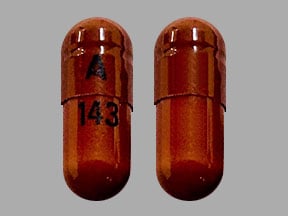 Pregabalin
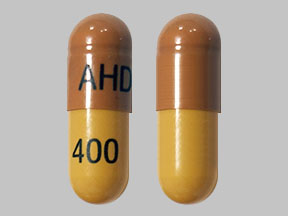 Gabapentin
Comparison Table
| Feature | Pregabalin | Gabapentin |
| Active Ingredient | pregabalin | gabapentin |
| Duration Of Action | 6–8 hours | 5–8 hours |
| Onset Of Effect | about 1 hour | 3 hours or longer |
| Max Daily Otc Dose | Not available OTC | Not available OTC |
| Pediatric Use | Approved from 1 month | Approved from 3 years |
Price comparison
Comparing prices for Pregabalin (60 Capsules 100MG) and Gabapentin (60 Capsules 400MG). For other forms and dosages please refer to Pregabalin and Gabapentin pages.
 CVS
CVS Walmart
 Walgreens
 Albertsons
Pregabalin savings card
Show this coupon to your pharmacistWalmart
$6.11
BIN
ID
PCN
GRP
019876
LHD24AA1C3
CHIPPO
LHX
Dosage guidelines
| Dosage | Pregabalin | Gabapentin |
| Adult Dosage | 150–600 mg/day | 900–3600 mg/day |
| First Dose | 75–150 mg/day | 300 mg/day |
| Maximum Daily Dose | 600 mg | 3600 mg |
| Pediatric Dosing | Approved from 1 month | Approved from 3 years |
| Special Notes | Controlled substance (schedule 5) | Not federally controlled |
Side effects comparison
When choosing between pregabalin and gabapentin for conditions such as nerve pain or certain types of seizures, understanding the potential side effects of each medication is an important part of decision-making. While both of these drugs work in similar ways and have a number of side effects in common, patients may find that their experiences with these medications differ in some key ways.
Both pregabalin and gabapentin commonly cause side effects like drowsiness and dizziness. These sensations can make you feel tired or less alert than usual, which is why it's important to avoid activities such as driving or operating heavy machinery until you know how the medication affects you. Swelling in the arms or legs, known as edema, can also occur with either medication, particularly with longer-term use.
Some side effects differentiate the two drugs:
Weight gain is reported with both pregabalin and gabapentin, but pregabalin tends to cause a higher risk of weight gain not solely related to fluid retention. With gabapentin, any weight gain is more likely to be due to increased fluid buildup.
Vision problems, dry mouth, and mild difficulties with memory or coordination have been noted in people taking either medication.
Nausea and vomiting are more likely to occur with gabapentin compared to pregabalin. The difference is noticeable: studies have shown the risk of experiencing these digestive issues is almost three times higher with gabapentin than with pregabalin.
There are also some rare but serious side effects to consider. Both medications carry a risk—though low—of causing or worsening suicidal thoughts and behaviors. This risk can appear at any point during treatment. In addition, both drugs can occasionally cause severe allergic reactions, such as swelling of the face, mouth, or throat (also known as angioedema). Gabapentin has been linked, in rare cases, to a reaction called DRESS syndrome, which involves widespread rash, fever, and other organ involvement. If you notice new rashes, swelling, fever, or changes in mood or behavior, it is important to seek medical help right away.
Other key safety points include:
Both drugs can cause withdrawal symptoms if stopped abruptly, such as nausea, agitation, sweating, and, in people using them for seizures, an increased risk of seizures returning.
The risk of side effects like sedation and breathing problems increases if either drug is taken together with substances that slow down brain activity—such as opioid painkillers, anti-anxiety medications, certain antihistamines, or alcohol.
There may be a slightly higher short-term risk of heart problems with gabapentin compared to pregabalin, especially in people with existing heart disease.
It’s important to note that while serious side effects are uncommon, the overall side effect profile may influence a person’s ability to stick with one medication over the other. Extended-release forms of either drug are also available and may slightly reduce the risk of some side effects, such as sleepiness or dizziness.
In summary, pregabalin and gabapentin share many common side effects, including sleepiness, swelling, and dizziness. Pregabalin is more likely to cause weight gain, while gabapentin tends to cause more nausea and vomiting. Both medications should be started and stopped under the close supervision of a healthcare provider, and any unusual or severe side effects should be promptly discussed with your doctor. Every individual responds differently, so an open conversation about side effects and ongoing monitoring is essential in finding the best treatment for your needs.
Interactions comparison
When deciding between Pregabalin and Gabapentin, understanding which conditions each medication is approved to treat—and how they’re commonly used—can help patients and caregivers make more informed choices with their healthcare provider.
Both pregabalin and gabapentin belong to a group of drugs known as gabapentinoids. They are mainly used to treat nerve pain and certain types of seizures. In the United States, gabapentin is specifically approved (by the Food and Drug Administration) for:
Partial-onset seizures in adults and children three years of age and older
Nerve pain that occurs after shingles, also called postherpetic neuralgia
Pregabalin is approved for similar uses, but it has a broader range of official approvals. In addition to partial-onset seizures (for adults and children as young as one month old) and postherpetic neuralgia, pregabalin is also approved to treat:
Nerve pain associated with diabetes, known as diabetic neuropathy
Nerve pain resulting from spinal cord injuries
Fibromyalgia, a condition that causes widespread pain and tenderness, often along with fatigue and sleep problems
Because pregabalin is approved for more conditions by regulatory agencies, it’s sometimes chosen when a patient has one of these specifically listed issues. Gabapentin, on the other hand, is often considered for nerve pain after shingles or as an additional medication for certain seizures, particularly in older children and adults.
While those are the official approved uses, doctors often prescribe pregabalin and gabapentin to treat other problems, a practice called “off-label” use. Off-label means a drug is used for a condition that it’s not formally approved to treat, but for which there is some medical experience or evidence to suggest it can be helpful. Common off-label uses for both medications include:
Various other types of nerve pain, such as that caused by back problems or neuropathy not related to diabetes or shingles
Restless legs syndrome
Anxiety, especially generalized anxiety disorder
Insomnia (trouble sleeping)
Symptoms related to menopause, such as hot flashes
Headaches, particularly certain types of chronic or nerve-related headaches
Alcohol use disorder, to help reduce withdrawal symptoms
It’s important to note that, although gabapentin is not officially approved for diabetic neuropathy or fibromyalgia, it is still used for these conditions in many situations. In fact, gabapentin is sometimes chosen as a first-line therapy for nerve pain linked to diabetes, despite its off-label status for this specific use.
The decision between pregabalin and gabapentin can depend on a patient’s specific condition, the severity and type of their symptoms, and personal factors like age or other health concerns. For instance, research suggests that pregabalin may provide faster pain relief in some cases, which could be significant for people dealing with severe or rapidly worsening symptoms. On the other hand, gabapentin might be recommended for some menopause-related symptoms, in part because there is less available research on using pregabalin for that purpose.
In summary, while gabapentin and pregabalin overlap in treating nerve pain and certain types of seizures, pregabalin has more approved uses and may be favored for some conditions such as fibromyalgia, diabetic neuropathy, and nerve pain after spinal cord injuries. Both medications are frequently prescribed for health problems outside their official approvals, based on clinical experience and a patient’s unique needs. If you are considering either of these medications, it’s best to discuss your full set of symptoms and medical history with your doctor, who can help decide which option is most appropriate for your individual situation.
When to choose each medication
- Faster and more reliable onset of action
- More FDA-approved indications (e.g., fibromyalgia, neuropathic pain, generalized anxiety disorder)
- Preferred for severe neuropathic pain
- May improve sleep and quality of life
- Reduces need for opioids in some pain conditions
- Lower cost and more widely available as a generic
- Longer history of use and more clinical experience in off-label indications
- Preferred for menopause-related hot flashes (off-label)
- Less likely to cause weight gain
- Allows for more gradual dose titration
Frequently Asked Questions
Is pregabalin used for severe pain?
Pregabalin can be prescribed for certain types of severe pain, particularly neuropathic pain, which is pain caused by nerve damage. It is also used for pain associated with conditions like fibromyalgia. However, the suitability of pregabalin for a specific patient should be determined by a healthcare provider.
What are the side effects of gabapentin in the mouth?
Gabapentin can cause several side effects in the mouth, such as dry mouth, which is a common side effect. Additionally, some people may experience mouth sores or swelling of the gums. If these symptoms occur, it is important to consult a healthcare professional for further advice and management.
What is the strongest drug for nerve pain?
The strongest drug for nerve pain can vary depending on the individual's specific condition and response to treatment. However, medications commonly used for neuropathic pain include anticonvulsants like gabapentin and pregabalin, antidepressants such as amitriptyline and duloxetine, and topical treatments like capsaicin cream or lidocaine patches. In some cases, stronger pain relievers such as opioids may be considered, but these are typically used with caution due to potential side effects and dependency risks. It's essential for a healthcare provider to evaluate the patient's condition to determine the most appropriate treatment.
Is pregabalin more addictive than gabapentin?
Pregabalin and gabapentin both have the potential for misuse and dependence, but pregabalin is generally considered to have a higher potential for abuse compared to gabapentin. It is important for healthcare providers to monitor patients for signs of misuse and dependence with both medications.
Can you swap from gabapentin to pregabalin?
Switching from gabapentin to pregabalin may be possible, but it should be done under the guidance of a healthcare professional. Both medications are used to treat similar conditions, such as neuropathic pain and seizures, but they have different dosing requirements and pharmacokinetic profiles. A doctor can provide a tailored plan for the transition, including the appropriate dosing and monitoring for any side effects or withdrawal symptoms.
Can gabapentin give you mouth ulcers?
Gabapentin can cause various side effects, but mouth ulcers are not commonly reported. However, since individual reactions to medications can vary, if someone experiences mouth ulcers while taking gabapentin, it is advisable to consult a healthcare professional to determine the cause and appropriate course of action.
Does gabapentin help with pain for cats?
Yes, gabapentin is often used in veterinary medicine to help manage pain in cats, particularly chronic pain and neuropathic pain. It may be prescribed by a veterinarian for conditions such as arthritis or after surgery. It's important for the dosage to be determined by a veterinarian to ensure safety and effectiveness.
Which is more effective, gabapentin or pregabalin?
The effectiveness of gabapentin versus pregabalin can depend on the specific condition being treated and the individual patient's response to the medication. Both medications are used to treat similar conditions such as neuropathic pain and certain types of seizures. Pregabalin is often considered to have a more predictable absorption and quicker onset of action. However, the choice between them should be based on a healthcare provider’s assessment of the patient's specific needs, potential side effects, and other individual factors. It is important for patients to consult with their healthcare provider to determine the most appropriate medication for their situation.
Which is safer, gabapentin or pregabalin?
The safety profile of gabapentin and pregabalin can vary depending on the individual and the specific condition being treated. Both medications are generally considered safe when used as prescribed, but they can have different side effects and potential interactions. Gabapentin may cause side effects such as dizziness, fatigue, and swelling of the extremities. Pregabalin might also cause dizziness, drowsiness, and weight gain. The choice between the two should be based on the patient's specific medical conditions, response to treatment, and the healthcare provider's clinical judgment. It is important for patients to discuss their specific health circumstances with their healthcare provider to determine which medication is safer and more appropriate for them.
How much gabapentin is equivalent to pregabalin?
There isn't a straightforward conversion between gabapentin and pregabalin because, although they are similar, they have different pharmacokinetic properties and potency. However, pregabalin is generally considered to be more potent than gabapentin. A healthcare provider should determine the appropriate dosing when switching between these medications, taking into account the specific clinical situation and individual patient factors.
How effective is pregabalin for nerve pain?
Pregabalin is considered to be an effective treatment for neuropathic pain. It works by reducing the pain signals sent out by damaged nerves. Clinical studies have shown that pregabalin can significantly alleviate pain associated with conditions like diabetic neuropathy and postherpetic neuralgia. However, the effectiveness can vary from person to person and it may take some time to experience the full benefits. It's important for patients to consult with their healthcare provider to determine if pregabalin is suitable for their specific condition.
What is pregabalin for dogs?
Pregabalin is a medication that may be prescribed for dogs to help manage neuropathic pain and certain types of seizures. It works by decreasing the abnormal electrical activity in the brain and altering the way nerves send messages to the brain, which can help alleviate pain and reduce seizure frequency. It is important for a veterinarian to determine the appropriate dosage and monitor the dog's response to the medication.
Is pregabalin a strong pain killer?
Pregabalin is not classified as a traditional strong painkiller like opioids. It is an anticonvulsant medication that is often used to manage neuropathic pain by calming overactive nerves. While it can be effective for certain types of pain, especially nerve-related pain, it may not be as effective for acute or severe pain as opioid analgesics.
What medications can cause mouth blisters?
Several medications may cause mouth blisters as a side effect. These can include:
- Nonsteroidal anti-inflammatory drugs (NSAIDs)
- Penicillin and other antibiotics
- Chemotherapy drugs
- Anticonvulsants
- Sulfa drugs
It's important for patients to consult with their healthcare provider if they experience mouth blisters, as it may require an adjustment in medication or additional treatment.
Can gabapentin cause mouth sores?
Yes, gabapentin can potentially cause mouth sores as a side effect, although it is not very common. If an individual experiences mouth sores while taking gabapentin, they should consult with their healthcare provider for further evaluation and management.
What is the number one side effect of gabapentin?
The most common side effect of gabapentin is dizziness.
Is pregabalin safe in diabetes?
Pregabalin is generally considered safe for individuals with diabetes, especially since it is often prescribed to manage diabetic neuropathy, a common complication of diabetes. However, as with any medication, it is important for individuals to consult with their healthcare provider to ensure it is appropriate for their specific health condition and to monitor for any potential side effects.
Does gabapentin cause diarrhea?
Yes, gabapentin can cause diarrhea as a side effect in some individuals. If the diarrhea is persistent or severe, it is advisable to consult a healthcare provider for further evaluation and management.
References
- NIH: Pregabalin vs. gabapentin in the treatment of neuropathic pain
- Pharmacytimes: Gabapentin Differs From Pregabalin in Several Key Ways
- Fibromyalgiafund: Gabapentin vs. Pregabalin - What's the Difference?
- Oppc: Battle of the Gabapentinoids: Gabapentin Vs. Pregabalin
- Verywellhealth: Gabapentin or Pregabalin? Here's a Side-by- ...
- Mypcnow: A Comparison of Pregabalin and Gabapentin in Palliative ...