

Saxenda vs Wegovy: Compare Differences & Prices
Key Takeaways
- Wegovy is administered once weekly, while Saxenda requires daily injections, making Wegovy more convenient for many patients.
- Clinical studies show that Wegovy generally leads to greater average weight loss compared to Saxenda when combined with diet and exercise.
- Both drugs can cause similar side effects such as nausea and digestive issues, but individual tolerability may vary; Wegovy may have more gastrointestinal side effects, while Saxenda may have higher discontinuation rates due to side effects.
- Wegovy is approved for additional uses, such as reducing the risk of major cardiovascular events and treating certain liver conditions in people with obesity or overweight, whereas Saxenda does not have these approvals.
- Neither medication is suitable for everyone, especially those with a history of certain thyroid cancers or allergies to the drugs, so it is important to consult a healthcare provider before starting either medication.
Key Similarities
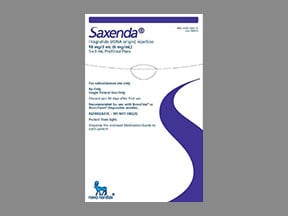 Saxenda
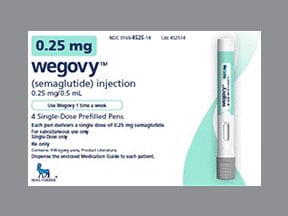 Wegovy
Comparison Table
| Feature | Saxenda | Wegovy |
| Active Ingredient | liraglutide | semaglutide |
| Duration Of Action | 13-15 hours | about 165 hours |
| Onset Of Effect | varies by person | varies by person |
| Max Daily Otc Dose | prescription only | prescription only |
| Pediatric Use | ages 12+ | ages 12+ |
Price comparison
Comparing prices for Saxenda (1 Pen 3ML of 18MG/3ML) and Wegovy (4 Pens 0.5ML of 0.25MG/0.5ML). For other forms and dosages please refer to Saxenda and Wegovy pages.
 CVS
CVS Albertsons
 Walgreens
 Walmart
Saxenda savings card
Show this coupon to your pharmacistWalmart
$261.07
BIN
ID
PCN
GRP
019876
LHD885A573
CHIPPO
LHX
Dosage guidelines
| Dosage | Saxenda | Wegovy |
| Adult Dosage | Start at 0.6 mg subcutaneously once daily, increase weekly to a maintenance dose of 3 mg once daily. | Start at 0.25 mg subcutaneously once weekly, increase every 4 weeks to a maintenance dose of 2.4 mg once weekly. |
| First Dose | 0.6 mg subcutaneously once daily. | 0.25 mg subcutaneously once weekly. |
| Maximum Daily Dose | 3 mg once daily. | 2.4 mg once weekly (not daily). |
| Pediatric Dosing | Ages 12 and older: same as adults, titrate to 3 mg once daily as tolerated. | Ages 12 and older: same as adults, titrate to 2.4 mg once weekly as tolerated; adjust if not tolerated. |
| Special Notes | Daily injection using a multi-use pen. Gradual dose escalation reduces GI side effects. Contraindicated in patients with personal/family history of medullary thyroid carcinoma or multiple endocrine neoplasia syndrome type 2. | Weekly injection using a single-use pen. Gradual dose escalation reduces GI side effects. Contraindicated in patients with personal/family history of medullary thyroid carcinoma or multiple endocrine neoplasia syndrome type 2. |
Side effects comparison
When comparing side effects between liraglutide (Saxenda) and semaglutide (Wegovy), it helps to understand that both medications belong to a group called GLP-1 receptor agonists and work in similar ways. Because of this, they can cause some of the same side effects, but each medication also has its own unique pattern of tolerability. The most common side effects with both drugs are mild and manageable for many people, especially as the body adjusts to the medication over time.
Gastrointestinal symptoms are the most frequent side effects reported for both liraglutide and semaglutide. These include nausea, vomiting, diarrhea, constipation, stomach pain, bloating, and indigestion. For example, in one clinical study, nausea occurred in about 59% of people taking liraglutide and 61% of people taking semaglutide. Constipation was reported in roughly 32% of users of liraglutide and 39% of semaglutide users, while diarrhea affected about 18% and 28% of people, respectively. Other digestive issues like burping and decreased appetite also occur, but with less frequency. These side effects are generally mild to moderate and tend to happen most often when starting the medication or after a dose increase. Many users find that these symptoms become less bothersome as their body gets used to the medicine.
Both medications can also cause headache, dizziness, and injection site reactions, though the likelihood varies. For instance, injection site reactions such as redness or irritation were seen in about 11% of people using liraglutide, but hardly at all with semaglutide in head-to-head studies. Fatigue, or feeling more tired than usual, was reported in about 11% with liraglutide and 10% with semaglutide. Mild side effects are typically short-lived, but if they persist or worsen, you should discuss this with your healthcare provider.
Though many side effects are manageable, both liraglutide and semaglutide come with warnings for more serious risks. These include:
Gallbladder problems, such as gallstones or inflammation
Pancreatitis, which is a sudden inflammation of the pancreas
Kidney injury
Low blood sugar, especially if used with other diabetes medicines
Increased heart rate
Serious allergic reactions, which may include swelling, rash, or difficulty breathing
Depression or suicidal thoughts
Both drugs carry a boxed warning about a possible risk of thyroid cancer, based on findings in animal studies. While this risk has not been confirmed in people, your doctor will likely avoid prescribing either drug if you or a family member has had medullary thyroid cancer, or a rare condition called multiple endocrine neoplasia syndrome type 2. If you notice any swelling or a lump in your neck, hoarseness, difficulty swallowing, or shortness of breath while on either medication, contact your health provider right away.
Another important difference is in how often people stop using these medications because of side effects. In some studies, a higher percentage of people taking liraglutide discontinued treatment compared to those on semaglutide, often due to gastrointestinal symptoms or side effects like insomnia or gallbladder issues. However, the experience can be highly individual—some may tolerate one drug better than the other. Ultimately, if you develop side effects that are severe or don’t go away, you and your healthcare provider can discuss switching to another option or making adjustments to your treatment plan. Always follow your provider’s instructions and report any new or bothersome symptoms while on either medication.
Interactions comparison
Saxenda and Wegovy are both prescription medications designed to help with weight loss and long-term weight management. They are approved for use in similar groups of people, but there are some important differences in the specific conditions they are intended to treat. Understanding these differences can help you and your health care provider determine which medication may be more appropriate for your unique health needs.
Both Saxenda and Wegovy are approved for adults who have obesity, which means having a body mass index (BMI) of 30 or greater. They are also approved for adults who are overweight (BMI of 27 or greater) and have at least one weight-related health condition, such as high blood pressure, high cholesterol, or type 2 diabetes. These medications are meant to be used along with lifestyle changes, including a reduced-calorie diet and increased physical activity, to help achieve and maintain weight loss.
For younger people, both drugs are available for adolescents age 12 and older with obesity, but there is a key difference between them. Saxenda can be prescribed for adolescents who weigh more than 132 pounds (60 kg), while Wegovy does not have this minimum weight requirement in its approval. Instead, Wegovy is approved for adolescents age 12 or older who meet the clinical definition of obesity for their age and sex, without any specific minimum weight set. This makes Wegovy an option for a broader range of young people who have obesity, as it does not limit eligibility by weight.
Wegovy goes beyond weight loss by offering additional benefits for certain health conditions, expanding its potential uses. In adults who have heart disease and are either overweight or have obesity, Wegovy is approved to help reduce the risk of major cardiovascular events. This means it can lower the chance of heart attack, stroke, or cardiovascular death in people with existing heart disease who also carry extra weight. No such approval exists for Saxenda. In addition, Wegovy is also approved for the treatment of a liver condition called metabolic dysfunction-associated steatohepatitis (MASH) in adults who have moderate to advanced liver scarring, in combination with dietary and exercise changes. Saxenda does not have approval for liver disease management.
Here is a summary comparing the conditions each medication treats:
Both Saxenda and Wegovy are approved for:
Adults with obesity (BMI 30 or higher)
Adults with overweight (BMI 27 or higher) and at least one weight-related health condition
Adolescents ages 12 and older with obesity (Saxenda: requires weight over 132 pounds; Wegovy: no minimum weight)
Only Wegovy is approved for:
Reducing the risk of major heart events in adults with established heart disease who have overweight or obesity
Treating metabolic dysfunction-associated steatohepatitis (MASH) in adults with moderate to advanced liver fibrosis
This means that, while both medicines help people lose weight, Wegovy may be the preferred choice for those who are also seeking to improve heart health or manage specific liver problems connected to being overweight or obese. However, not everyone will be a candidate for both drugs, and individual factors such as age, current weight, other health conditions, and insurance coverage can affect which option is best. Only a health care professional can determine if either of these medications is safe and appropriate based on your overall health history and goals.
When to choose each medication
- Daily injection is preferred or more manageable
- Medication is easier to access or more likely to be covered by insurance
- Generic option is available, making it more affordable
- Approved for use in adolescents (ages 12-17)
- Better tolerated by some patients (fewer gastrointestinal side effects)
- Greater weight loss is desired or needed
- Weekly injection is preferred for convenience
- Patient has heart or liver disease (Wegovy has shown benefits in these populations)
- Fewer discontinuations due to side effects in clinical studies
- Cardiovascular benefits are specifically desired
Frequently Asked Questions
Which injection causes the most weight loss?
Semaglutide, marketed under the brand names Ozempic and Wegovy, is an injection that has been shown to cause significant weight loss in clinical trials. It is a GLP-1 receptor agonist originally used for the treatment of type 2 diabetes but also approved for chronic weight management in adults with obesity or overweight with at least one weight-related condition.
What is the new Wegovy pill?
Wegovy is a medication that contains semaglutide, which is typically used for weight management in adults who are overweight or obese. The new Wegovy pill refers to an oral formulation that is designed to provide similar weight loss benefits as the injectable form. It is important for individuals to follow their healthcare provider's instructions when using this medication.
Which is more expensive, Saxenda or Wegovy?
When comparing the costs of Saxenda and Wegovy, Wegovy is generally more expensive than Saxenda. However, prices can vary based on location, insurance coverage, and pharmacy. It's recommended for individuals to consult their healthcare provider or pharmacy for the most accurate and up-to-date pricing information.
Can you take Saxenda with amitriptyline?
Yes, Saxenda (liraglutide) and amitriptyline can generally be taken together, but it is important to consult a healthcare provider before doing so. The healthcare provider will consider the individual's overall health condition, other medications being taken, and any potential interactions or side effects. It's important to monitor for any unusual symptoms and report them to a healthcare provider.
Do you lose weight faster on Saxenda or Wegovy?
Both Saxenda and Wegovy are medications used for weight management, but Wegovy has shown slightly greater weight loss in clinical trials. Wegovy contains a higher dose of semaglutide than Saxenda, which contains liraglutide. Individual results may vary, and it's important to consult with a healthcare provider to determine the most appropriate treatment based on personal health needs and goals.
How much weight can I lose in 6 weeks on Saxenda?
The amount of weight a person can lose in 6 weeks on Saxenda can vary significantly depending on individual factors such as diet, exercise, adherence to the medication, and metabolic rate. Clinical trials have shown that some individuals may lose an average of 3-4% of their body weight in the first few weeks of treatment. However, results can differ, and it's important to combine Saxenda with a reduced-calorie diet and increased physical activity for optimal outcomes. It's always best to consult with a healthcare provider to set realistic weight loss goals tailored to one's specific needs.
Is Saxenda or Wegovy more effective?
Both Saxenda and Wegovy are medications used for weight management, but they have different active ingredients. Saxenda contains liraglutide, while Wegovy contains semaglutide. Clinical studies suggest that Wegovy (semaglutide) tends to result in greater weight loss compared to Saxenda (liraglutide). However, effectiveness can vary depending on individual response, and a healthcare provider should be consulted to determine the most appropriate treatment option based on personal health needs and goals.
How long does it take to lose 20 lbs on Saxenda?
The time it takes to lose 20 pounds on Saxenda can vary significantly among individuals. Factors such as diet, exercise, metabolic rate, and adherence to the medication regimen play a role in weight loss outcomes. On average, patients using Saxenda in combination with a reduced-calorie diet and increased physical activity may expect to see significant weight loss within a few months. However, it's important to consult with a healthcare provider for personalized advice and to monitor progress safely.
Will Wegovy work if Saxenda didn't?
Wegovy and Saxenda are both medications used for weight management, but they contain different active ingredients. Wegovy contains semaglutide, while Saxenda contains liraglutide. Although both belong to the class of GLP-1 receptor agonists, the difference in their active ingredients may lead to different responses in individuals. Therefore, if Saxenda was not effective, Wegovy might still work, but this can vary from person to person. It is important to discuss with a healthcare provider to determine the best option based on individual health needs and response to treatment.
Which weight loss injection is most effective?
There are several weight loss injections available, with semaglutide (marketed as Wegovy) and liraglutide (marketed as Saxenda) being among the most effective. Both medications are glucagon-like peptide-1 (GLP-1) receptor agonists that help regulate appetite and food intake. Clinical studies have shown significant weight loss in patients using these medications when combined with lifestyle changes. The choice of injection may depend on individual health conditions, preferences, and a healthcare provider's recommendation.
Can Saxenda cause migraines?
Saxenda may potentially cause headaches, including migraines, as a side effect. If someone experiences migraines while taking Saxenda, it is advisable to consult with their healthcare provider for further evaluation and management.
Why is Saxenda no longer available?
Saxenda may become unavailable for various reasons, such as supply chain issues, manufacturing problems, or regulatory actions. It is recommended to check with a healthcare provider or pharmacist for specific details regarding the availability of Saxenda in a particular area.
References
- Verywellhealth: The Differences Between Saxenda and Wegovy
- Medicalnewstoday: Saxenda vs. Wegovy: What to know about each
- Onlinedoctor Superdrug: Wegovy vs Saxenda: Key Differences
- Dietitianlive: Saxenda vs. Wegovy: Which is Better?
- Healthline: Saxenda vs. Wegovy: How These Drugs Compare