

Trulicity vs Ozempic: Compare Differences & Prices
Key Takeaways
- Trulicity and Ozempic are both once-weekly injectable medications used to treat type 2 diabetes and reduce the risk of major cardiovascular events.
- Ozempic tends to result in greater reductions in blood sugar levels and more weight loss compared to Trulicity.
- Trulicity may be better tolerated by some patients, with a slightly lower risk of certain gastrointestinal side effects.
- Both drugs have similar costs and insurance coverage, but individual coverage may vary depending on the health plan and indication.
Key Similarities
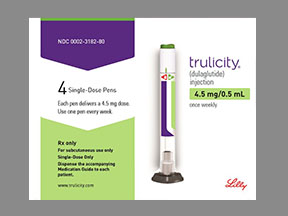 Trulicity
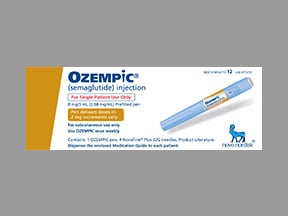 Ozempic
Comparison Table
| Feature | Trulicity | Ozempic |
| Active Ingredient | Dulaglutide | Semaglutide |
| Duration Of Action | About 5 days | About 7-10 days |
| Onset Of Effect | Within weeks | Within weeks |
| Max Daily Otc Dose | Not available OTC | Not available OTC |
| Pediatric Use | Ages 10 and up | Ages 18 and up |
Price comparison
Comparing prices for Trulicity (1 Pen 0.5ML of 4.5MG/0.5ML) and Ozempic (1 Pen 3ML of 8MG/3ML). For other forms and dosages please refer to Trulicity and Ozempic pages.
 CVS
CVS Walmart
 Walgreens
 Albertsons
Trulicity savings card
Show this coupon to your pharmacistWalmart
$242.31
BIN
ID
PCN
GRP
019876
LH75B61E5D
CHIPPO
LHX
Dosage guidelines
| Dosage | Trulicity | Ozempic |
| Adult Dosage | Start at 0.75 mg subcutaneously once weekly; may increase up to 4.5 mg once weekly as needed. | Start at 0.25 mg subcutaneously once weekly for 4 weeks, then increase to 0.5 mg once weekly; may increase up to 2 mg once weekly as needed. |
| First Dose | 0.75 mg subcutaneously once weekly. | 0.25 mg subcutaneously once weekly for the first 4 weeks. |
| Maximum Daily Dose | 4.5 mg once weekly (not daily; weekly dosing only). | 2 mg once weekly (not daily; weekly dosing only). |
| Pediatric Dosing | Approved for children 10 years and older; typical starting dose is 0.75 mg once weekly. Dose adjustments should be made by a healthcare provider. | Not approved for pediatric use; safety and efficacy have not been established in children. |
| Special Notes | May cause fewer severe gastrointestinal side effects; approved for ages 10 and older. | May result in greater weight loss and blood sugar reduction; approved only for adults. |
Side effects comparison
When considering Trulicity (which contains dulaglutide) and Ozempic (which contains semaglutide), understanding their possible side effects is important for anyone managing type 2 diabetes. Both medications belong to the same drug class, known as GLP-1 receptor agonists, and share many similarities in how they work and the types of side effects they might cause. In general, both medicines can trigger digestive system issues and other mild to moderate complaints—especially when you first start using them or after your dose is increased. However, there are also some differences in how often certain side effects occur and how severe they might be.
For both Trulicity and Ozempic, common side effects are centered around the stomach and digestive system. These may include:
Nausea
Vomiting
Diarrhea
Stomach pain or abdominal discomfort
Constipation
Loss of appetite
These side effects are most likely to happen when first starting the medication or increasing the dose, and they tend to improve over time as your body adjusts. Managing these symptoms often involves simple changes to your diet or the timing of your meals, and your healthcare team can provide specific tips if you experience ongoing discomfort.
Some differences in side effect profiles have emerged between the two medications. Trulicity is generally associated with a slightly lower risk of severe side effects at lower doses, which may make it easier for some people to stick with the treatment over the long term. On the other hand, Ozempic users may experience digestive side effects, such as feeling sick to your stomach or diarrhea, a bit more frequently. Rare but serious issues can also occur with either medication, including pancreatitis (inflammation of the pancreas), serious allergic reactions (such as hives, swelling, or trouble breathing), and gallbladder problems. It is very important to get medical help right away if you notice symptoms of these more serious issues.
There are also some unique risks to be aware of for each drug. While both Trulicity and Ozempic carry a warning for a potential risk of thyroid C-cell tumors based on animal studies, Ozempic has been linked, in some cases, to the worsening of diabetic eye disease. Low blood sugar is another risk, although this usually occurs only if you take these medications together with insulin or certain other diabetes medicines. Fatigue (feeling unusually tired) has also been reported with both drugs in some users.
It’s important to remember that everyone responds differently to medications, and side effects can vary from person to person. If you are concerned or notice any symptoms that worry you while using these medications, do not hesitate to reach out to your healthcare provider. Reporting side effects early can help you and your doctor find ways to lessen discomfort or decide if another medicine might be a better fit for you. Always review your full medical history with your provider before starting a new medication, as this can help reduce your risk for serious side effects.
Interactions comparison
Trulicity and Ozempic are both prescription medications commonly used for managing type 2 diabetes, a chronic condition where blood sugar levels are difficult to control. Both drugs belong to a group of medicines called GLP-1 receptor agonists. These drugs help lower blood sugar by signaling the pancreas to release more insulin after you eat, reducing the amount of sugar produced by the liver, slowing down how quickly food leaves the stomach, and curbing appetite. However, while they share this mode of action and are both injected once weekly, there are important differences in who can use them and what conditions they treat.
When it comes to official approvals, Trulicity is approved for a broader age range. It can be prescribed to people with type 2 diabetes starting from age 10 and above. In contrast, Ozempic is approved only for adults with type 2 diabetes, meaning you must be 18 or older to use it. This makes Trulicity an option for younger patients who need help controlling their blood sugar levels when other approaches like diet, exercise, or other medications are not enough.
Both Trulicity and Ozempic are designed mainly for blood sugar management in type 2 diabetes, but they also have additional benefits, particularly for heart health. Both are approved to help reduce the risk of serious heart-related events such as heart attack, stroke, or cardiovascular death in people who already have heart disease. However, Trulicity has extended approval and can be prescribed to help reduce these risks in people who have other risk factors for heart disease, not just those with an existing heart condition. On the other hand, Ozempic is specifically approved to lower cardiovascular risk only in adults with type 2 diabetes who have established heart disease. This difference may influence which medication your healthcare provider recommends, depending on your individual risk factors and medical history.
Another area where Trulicity and Ozempic are sometimes used is for weight management. Both medications can lead to weight loss as a side effect, which can be helpful for some people with type 2 diabetes. Even though neither medication is officially approved by the Food and Drug Administration (FDA) for weight loss alone, doctors might prescribe them "off-label" for this reason. In terms of effectiveness, studies suggest Ozempic may help people lose more weight on average than Trulicity, especially at higher doses. Still, prescribing either drug for weight loss without diabetes will depend on your doctor's assessment and which medication is more suitable for your overall health.
To sum up, Trulicity may be a better option for younger patients or those who need cardiovascular risk reduction without existing heart disease, while Ozempic may offer more significant benefits for lowering blood sugar and weight loss in adults. Your doctor will consider your age, overall health, risk factors, and treatment goals when choosing between these medications. It's important to discuss your specific medical history and concerns so that you and your healthcare provider can decide on the most effective and safest treatment for you.
When to choose each medication
- You are age 10 or older (Trulicity is approved for pediatric use)
- You prefer a medication with a lower risk of certain side effects (e.g., less nausea in some patients)
- You have heart disease or risk factors and want a GLP-1 agonist with cardiovascular benefit
- You tend to tolerate medications poorly and want a potentially gentler option
- You prefer a drug with easy adherence and a simple dosing device
- You want greater blood sugar lowering efficacy
- You aim for more weight loss as part of your diabetes management
- You have established heart disease and are an adult (Ozempic is approved for cardiovascular risk reduction in adults)
- You need a medication with longer-lasting weekly effects
- You are age 18 or older (Ozempic is approved for adults only)
Frequently Asked Questions
What is the problem with Trulicity?
Trulicity, a medication used to treat type 2 diabetes, may have potential side effects or issues. Some common side effects include nausea, diarrhea, vomiting, abdominal pain, and decreased appetite. More serious concerns may include pancreatitis, kidney problems, severe gastrointestinal issues, and possible allergic reactions. Additionally, there is a warning about the potential risk of thyroid tumors, including cancer, in animal studies, though its relevance to humans is not fully known. It is important for individuals to discuss these risks with their healthcare provider and monitor for any adverse effects while using the medication.
Can Ozempic cause vertigo?
Yes, vertigo can be a side effect of Ozempic. While not everyone will experience this, some individuals using Ozempic may report dizziness or a sensation of spinning. If these symptoms occur, it is advisable for the individual to consult their healthcare provider for further evaluation and management.
How much is the new GLP-1 pill?
The cost of a new GLP-1 pill can vary depending on factors such as the specific medication, the dosage, the pharmacy, and insurance coverage. It is recommended to check with local pharmacies or insurance providers for the most accurate and up-to-date pricing information.
What happens when you stop Trulicity?
When a person stops taking Trulicity, their blood sugar levels may rise if the medication was effectively managing their diabetes. It is important to consult a healthcare provider before discontinuing the medication, as they may need to adjust the treatment plan to maintain optimal blood glucose control. Stopping Trulicity without medical guidance could lead to a loss of glycemic control and potential complications associated with diabetes.
What organs does Trulicity affect?
Trulicity primarily affects the pancreas by helping it release insulin in response to meals. It also acts on the liver to reduce the amount of sugar it releases into the bloodstream. Additionally, Trulicity can influence the stomach by slowing down the rate of gastric emptying, which can help control blood sugar levels.
Can you take Trulicity with PredniSONE?
Yes, Trulicity and prednisone can generally be taken together. However, patients should always consult with their healthcare provider before combining medications, as the provider can consider their specific health needs and monitor for any potential interactions or side effects.
Why is Trulicity no longer available?
As of the latest information available, Trulicity is still available and there are no widespread reports indicating that it has been discontinued. Availability can sometimes be affected by factors such as supply chain issues or regional distribution changes. It is advisable to contact local pharmacies or healthcare providers for the most current information regarding the availability of Trulicity.
How much does retatrutide cost per month?
As of the latest information available, the cost of retatrutide has not been disclosed publicly, as it is still undergoing clinical trials and has not yet been approved for commercial use. Prices for new medications can vary widely based on factors such as insurance coverage, dosage, and market conditions once they become available. It is advisable to check with healthcare providers or insurance companies for the most current information once the medication is approved and on the market.
What is better, Trulicity or Ozempic?
The choice between Trulicity and Ozempic depends on several factors, including the individual's specific medical needs, response to treatment, side effect profiles, and cost considerations. Both are GLP-1 receptor agonists used for the management of type 2 diabetes and have been shown to aid in blood sugar control and weight management. The decision on which medication is more suitable should be made in consultation with a healthcare provider who can assess the individual's comprehensive health profile and preferences.
What has happened to Trulicity?
Trulicity is a medication used to manage type 2 diabetes. As of the most recent information, there have been no major changes affecting its availability or usage. If there are any concerns about specific updates or availability issues, it is recommended to consult a healthcare provider or check with local pharmacies for the latest information.
What is the best diabetic medication with the least side effects?
The best diabetic medication with the least side effects varies depending on the individual's specific health needs, type of diabetes, and other factors such as age, kidney function, and existing medical conditions. Metformin is commonly prescribed for type 2 diabetes and is often well-tolerated with minimal side effects, mainly gastrointestinal issues like diarrhea or nausea. It's important to consult with a healthcare provider to determine the most appropriate medication, as they can tailor the treatment to the individual's health profile and monitor for any adverse effects.
References
- Verywellhealth: Similarities and Differences of Trulicity vs. Ozempic
- Medicalnewstoday: Ozempic vs. Trulicity: Is one of them right for you?
- Weightwatchers: What is the difference between Trulicity and Ozempic?
- Healthline: Ozempic vs. Trulicity: How These Drugs Compare
- Ozempic: Ozempic® vs Other Type 2 Diabetes Treatments