

Wegovy vs Mounjaro: Compare Differences & Prices
Key Takeaways
- Wegovy and Mounjaro are both injectable medications that can help with weight loss, but Wegovy is FDA-approved specifically for weight management, while Mounjaro is approved for type 2 diabetes and used off-label for weight loss.
- Clinical studies suggest that Mounjaro may result in greater average weight loss compared to Wegovy when combined with diet and exercise.
- Both drugs have similar side effects, including nausea, vomiting, diarrhea, and constipation, but most people tolerate them well.
- Both medications carry a warning about a potential risk of thyroid cancer and should not be used by people with a personal or family history of certain types of thyroid tumors.
Key Similarities
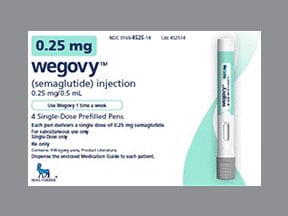 Wegovy
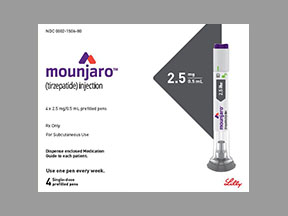 Mounjaro
Comparison Table
| Feature | Wegovy | Mounjaro |
| Active Ingredient | semaglutide | tirzepatide |
| Duration Of Action | one week | one week |
| Onset Of Effect | within weeks | within weeks |
| Max Daily Otc Dose | not available OTC | not available OTC |
| Pediatric Use | approved 12+ years | not approved for kids |
Price comparison
Comparing prices for Wegovy (4 Pens 0.5ML of 0.25MG/0.5ML) and Mounjaro (4 Pens 0.5ML of 2.5MG/0.5ML). For other forms and dosages please refer to Wegovy and Mounjaro pages.
 CVS
CVS Albertsons
 Walgreens
 Walmart
Wegovy savings card
Show this coupon to your pharmacistAlbertsons
$199.00
BIN
ID
PCN
GRP
015995
LHKXA243715
GDC
DR33
Dosage guidelines
| Dosage | Wegovy | Mounjaro |
| Adult Dosage | Start 0.25 mg, up to 2.4 mg weekly | Start 2.5 mg, up to 15 mg weekly |
| First Dose | 0.25 mg once weekly | 2.5 mg once weekly |
| Maximum Daily Dose | 2.4 mg weekly | 15 mg weekly |
| Pediatric Dosing | Ages 12+, start low, up to 2.4 mg weekly | Not approved |
| Special Notes | Approved age 12+, weight loss | Approved age 18+, diabetes |
Side effects comparison
When considering prescription treatments like Wegovy and Mounjaro for weight loss, it’s important to understand the possible side effects that can come with each medication. Both medicines are injectable drugs used alongside diet and exercise to help manage weight, but they contain different active ingredients and interact slightly differently with the body. Wegovy contains semaglutide, while Mounjaro contains tirzepatide. Both drugs work by affecting hormones that control hunger and feelings of fullness, but Mounjaro has the added action of mimicking an additional hormone involved in appetite regulation.
The most common side effects for both Wegovy and Mounjaro are related to digestion and tend to be mild to moderate in nature. Here are some of the main mild side effects reported with each medication:
Digestive issues: Nausea, diarrhea, constipation, vomiting, and indigestion are frequently experienced by people taking either medication. These symptoms happen because the drugs slow down how quickly food leaves the stomach, which helps people feel fuller longer but can also cause stomach discomfort.
Low energy or fatigue: Some people on Wegovy have reported feeling unusually tired, while others have experienced headaches or dizziness. Fatigue and dizziness have also been noted with Mounjaro.
Common cold-like symptoms and stomach flu: While these are less frequently connected to the treatment, they have been seen in people using either drug.
Severity can vary, but most side effects tend to be more noticeable at the beginning of treatment and may lessen as the body adjusts. Injection site reactions—such as mild redness, swelling, or itching—can also occur with both drugs but are generally temporary.
While mild digestive problems are the most likely side effects, it’s also important to be aware of more serious, though less common, risks. Both Wegovy and Mounjaro carry warnings about some severe side effects:
Low blood sugar (hypoglycemia): This is a concern, particularly for people also taking other diabetes medications, as these drugs can lower blood sugar levels.
Pancreatitis and gallbladder issues: Reports include inflammation of the pancreas (pancreatitis), gallbladder inflammation, and formation of gallstones. Symptoms can include severe stomach pain and should be reported to a doctor right away.
Severe gastrointestinal reactions: Stomach problems can, in rare cases, lead to more serious issues such as dehydration or kidney problems, usually as a result of ongoing vomiting or diarrhea.
Thyroid cancer risk: Both drugs have a warning about an increased risk of a type of thyroid cancer, based on findings from animal studies. This risk is not confirmed in humans, but people with a personal or family history of certain types of thyroid cancer or specific genetic syndromes should not use these medications.
Beyond these effects, each medication has its own set of warnings. For example, Wegovy carries an extra warning for people with depression or suicidal thoughts. Both drugs require caution if you have a history of severe stomach issues, pancreas or kidney problems, or certain vision changes. Pregnant women, those planning pregnancy, or breastfeeding mothers should not use either medication.
It’s worth noting that in clinical trials, mild to moderate side effects were experienced by the majority of users—between 77% and 79% of people in studies on weight loss injectables like these—and a small percentage (about 6–8%) needed to stop taking the drug because of side effects. If side effects occur, it’s important not to stop medication abruptly but to consult your healthcare provider for guidance. They may be able to suggest ways to manage symptoms or adjust your treatment if needed.
Both Wegovy and Mounjaro have similar safety profiles in terms of the types and frequency of common side effects, with digestive issues leading the list, but the exact experience can differ from one person to another. The decision on whether to use one over the other should always be made in consultation with a healthcare provider, taking into consideration your personal health history, the side effect profile, other medications you may be taking, and your health goals.
Interactions comparison
Wegovy and Mounjaro are both injectable medications that can help with weight loss, but they are approved for somewhat different medical conditions. Wegovy contains the active ingredient semaglutide and is specifically approved for long-term weight management in adults and some children aged 12 and older who have obesity or are overweight with certain weight-related health conditions. In addition to helping with weight loss, Wegovy is also approved to reduce the risk of major heart problems such as heart attack or stroke in adults who have both obesity or overweight and existing heart disease. Recently, it has also gained accelerated approval for treating a specific type of liver disease—noncirrhotic metabolic dysfunction-associated steatohepatitis (MASH) with moderate to advanced liver scarring.
Mounjaro contains the active ingredient tirzepatide and is mainly approved for managing blood sugar levels in adults with type 2 diabetes. While Mounjaro is not officially approved for general weight loss or long-term weight management, doctors can prescribe it off-label for this purpose, and studies have shown that it leads to significant weight loss. It is important to know that Mounjaro is not currently approved for use in children for any condition.
To summarize how these two drugs are used:
Wegovy is approved for:
Long-term weight management in adults and eligible children (over age 12) with obesity or overweight and at least one health issue related to weight
Reducing the risk of major heart events in adults with cardiovascular disease and obesity or overweight
Treating MASH (a kind of liver disease) in adults with significant liver scarring
Mounjaro is approved for:
Managing blood sugar in adults with type 2 diabetes
It can be prescribed “off label” for weight loss in adults, but this is not its official use
For people living with diabetes, Mounjaro can be a good option as its primary focus is blood sugar control, and it also promotes weight loss as a secondary benefit. However, if your main goal is losing weight—especially in the context of other health conditions like high blood pressure, high cholesterol, or existing heart disease—Wegovy has broader and more direct approvals for these uses. Wegovy is also the only one of the two approved to reduce the risk of serious heart events and to treat certain liver conditions related to weight.
Neither Wegovy nor Mounjaro currently has a generic version available, and both are given as weekly injections. The choice between the two should be made with your doctor, based on your specific health needs. If you need help managing type 2 diabetes with added weight loss, Mounjaro may be recommended. If your focus is primarily on losing weight, especially when combined with other weight-related or heart health conditions, Wegovy might be more suitable. Pediatric weight loss, meanwhile, is only an official indication for Wegovy among children ages 12 and up.
It's essential to consider these differences in approved uses because insurance coverage and eligibility will often depend on the condition being treated. Always consult a healthcare provider to discuss your personal health goals and medical history before starting one of these medications.
When to choose each medication
- Wegovy is FDA-approved specifically for weight management.
- Has demonstrated cardiovascular (heart) risk reduction in clinical trials.
- Can be prescribed for teens ages 12 and up.
- Longer-term safety data available for weight loss use.
- May be preferred if insurance covers only FDA-approved options.
- Mounjaro (tirzepatide) often results in greater average weight loss.
- Works on both GLP-1 and GIP hormone pathways, which may be more effective for some people.
- May be considered if Wegovy or other GLP-1 drugs have not worked well.
- Can be used off-label for weight loss (FDA-approved for diabetes, not weight loss as of June 2024).
- Similar side effect profile to Wegovy, but some may tolerate it better.
Frequently Asked Questions
How much does Mounjaro cost per month?
The cost of Mounjaro can vary depending on several factors, including the pharmacy, location, insurance coverage, and any available discounts or patient assistance programs. Without insurance, the retail price for Mounjaro can be quite high, often exceeding several hundred dollars per month. It is recommended to check with local pharmacies and insurance providers for the most accurate and up-to-date pricing specific to the individual's situation. Additionally, the manufacturer or healthcare provider may offer patient assistance programs to help reduce costs.
Is it safe to switch from semaglutide to Mounjaro?
Switching from semaglutide to Mounjaro (tirzepatide) may be safe for some patients, but it should be done under the guidance of a healthcare professional. Both medications are used to manage blood sugar levels but have different mechanisms of action and dosing regimens. A healthcare provider can assess individual health needs and make appropriate dosing adjustments to ensure safety and efficacy during the transition.
What's cheaper, Mounjaro or Wegovy?
Mounjaro and Wegovy are both brand-name medications, and their prices can vary depending on factors such as location, insurance coverage, and pharmacy. Generally, Mounjaro may be less expensive than Wegovy, but it is essential to check with local pharmacies or insurance providers for the most accurate pricing. Additionally, patient assistance programs or discounts may be available for both medications, which can influence overall cost.
Which has the worst side effects, Wegovy or Mounjaro?
Both Wegovy and Mounjaro can cause side effects, and the severity of side effects can vary from person to person. Common side effects for Wegovy include nausea, diarrhea, vomiting, constipation, and abdominal pain. Mounjaro may cause nausea, diarrhea, decreased appetite, vomiting, and abdominal pain as well.
The worst side effects are subjective and depend on individual tolerance and reaction to the medication. It is important for individuals to consult with their healthcare provider to understand the potential risks and benefits of each medication in their specific situation.
Why is Mounjaro better than Wegovy?
The effectiveness of medications like Mounjaro and Wegovy can vary depending on individual needs and responses. Mounjaro (tirzepatide) and Wegovy (semaglutide) are both used for weight management and diabetes treatment, but they work via different mechanisms. Mounjaro is a dual-action medication that targets both GLP-1 and GIP receptors, potentially offering more comprehensive metabolic benefits. However, the choice between them should be based on a healthcare provider's assessment of the patient's specific health needs, goals, and medical history. It's important for individuals to consult with their healthcare provider to determine which medication may be more suitable for them.
How much is a 3 month supply of Wegovy?
The cost of a 3-month supply of Wegovy can vary depending on factors such as the pharmacy, location, and whether the patient has insurance coverage. Without insurance, the retail price may be quite high, potentially exceeding several thousand dollars for a 3-month supply. Patients are advised to check with their pharmacy or insurance provider for the most accurate and up-to-date pricing. Additionally, some patients may qualify for savings programs or manufacturer discounts, which could help reduce the cost.
Is Wegovy better for your heart than Mounjaro?
There is currently no direct comparison between Wegovy (semaglutide) and Mounjaro (tirzepatide) specifically regarding their effects on heart health. Both medications are used for weight management and have shown potential cardiovascular benefits in different studies. Wegovy has been studied for its cardiovascular effects, and evidence suggests it may have positive effects on heart health. Mounjaro, while primarily evaluated for diabetes management, may also have cardiovascular benefits due to weight loss and improved metabolic parameters. However, individual results may vary, and it's essential to consult a healthcare provider to discuss the most appropriate option based on personal health needs and conditions.
What works like Wegovy but is cheaper?
Medically, alternatives that function similarly to Wegovy (semaglutide) are other glucagon-like peptide-1 (GLP-1) receptor agonists. Some of these include liraglutide (Saxenda, Victoza) and exenatide (Byetta, Bydureon). However, pricing can vary significantly based on location, insurance coverage, and available discounts. Consulting with a healthcare provider is essential to determine the most suitable and cost-effective option based on individual medical needs and circumstances.
Which weight loss injection has the least side effects?
When considering weight loss injections, the side effect profile can vary among different medications. However, semaglutide, marketed under brand names like Wegovy and Ozempic, is often noted for having a more favorable side effect profile compared to some other options. It is important for individuals to consult with their healthcare provider to determine the most appropriate treatment based on their medical history and specific needs.
Can you lose 20 pounds in a month on Mounjaro?
It is not typical or safe to lose 20 pounds in a month, even with the use of medications like Mounjaro (tirzepatide). Weight loss should generally be gradual and sustainable, with a common recommendation being 1 to 2 pounds per week. Rapid weight loss can lead to muscle loss, nutritional deficiencies, and other health concerns. It is important for individuals to consult with their healthcare provider to create a safe and effective weight loss plan tailored to their specific needs.
References
- Bhf Uk: Mounjaro vs Wegovy: which is better for weight loss?
- Healthline: Wegovy vs. Mounjaro: What's the Difference?
- Chemist 4 U: Mounjaro vs Wegovy: What's the difference and which ...
- Onlinedoctor Asda: Wegovy vs Mounjaro vs Ozempic: What's the Difference?
- Medicalnewstoday: Wegovy vs. Mounjaro: How these drugs compare
- Numan: Mounjaro vs Wegovy