

Wegovy vs Ozempic: Compare Differences & Prices
Key Takeaways
- Wegovy and Ozempic both contain semaglutide as the active ingredient, but Wegovy is approved for weight loss and Ozempic is approved for type 2 diabetes management.
- Wegovy is prescribed at a higher maximum dose than Ozempic, which generally results in greater weight loss for patients using it for obesity.
- Both drugs have similar side effects, such as nausea, vomiting, diarrhea, and constipation, but side effects may be more pronounced with Wegovy due to the higher dose.
- Insurance coverage may differ: Wegovy is often not covered for weight loss, while Ozempic is more likely to be covered for diabetes treatment.
- Wegovy is approved for use in adults and adolescents aged 12 and older, while Ozempic is only approved for adults.
Key Similarities
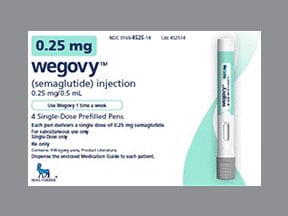 Wegovy
 Ozempic
Comparison Table
| Feature | Wegovy | Ozempic |
| Active Ingredient | Semaglutide | Semaglutide |
| Duration Of Action | 1 week per dose | 1 week per dose |
| Onset Of Effect | Within weeks | Within weeks |
| Max Daily Otc Dose | Not available OTC | Not available OTC |
| Pediatric Use | Ages 12 and up | Adults only |
Price comparison
Comparing prices for Wegovy (4 Pens 0.5ML of 0.25MG/0.5ML) and Ozempic (1 Pen 3ML of 8MG/3ML). For other forms and dosages please refer to Wegovy and Ozempic pages.
 CVS
CVS Albertsons
 Walgreens
 Walmart
Wegovy savings card
Show this coupon to your pharmacistAlbertsons
$199.00
BIN
ID
PCN
GRP
015995
LHKWY985742
GDC
DR33
Dosage guidelines
| Dosage | Wegovy | Ozempic |
| Adult Dosage | 0.25 mg once weekly, increase to 2.4 mg once weekly (maintenance) | 0.25 mg once weekly, increase as needed to 2 mg once weekly |
| First Dose | 0.25 mg once weekly | 0.25 mg once weekly |
| Maximum Daily Dose | 2.4 mg once weekly | 2 mg once weekly |
| Pediatric Dosing | Approved for ages 12+ with obesity | Not approved for pediatric use |
| Special Notes | Approved for weight loss and cardiovascular risk reduction in adults with overweight or obesity; injectable, once weekly | Approved for type 2 diabetes and heart disease prevention; injectable, once weekly |
Side effects comparison
When considering Wegovy and Ozempic, it’s important to understand how their side effects compare—especially since both contain the same active medication, semaglutide. Because Wegovy is typically prescribed at a higher dose than Ozempic, people taking Wegovy may experience side effects more often or with greater intensity. Both drugs are given as weekly injections and work by mimicking a natural hormone that helps control blood sugar and appetite, but higher doses mean there’s a greater chance of feeling certain effects.
The most common side effects are similar for both medications and mainly affect the digestive system. People often report nausea, vomiting, diarrhea, constipation, and stomach pain when starting either drug. Other possible symptoms include bloating, indigestion, burping, and a general feeling of fullness that can reduce appetite. Some people also feel dizzy, tired, or experience headaches. The likelihood and severity of these side effects can increase as the dose is raised, which is why both drugs are started at a low dose and gradually increased over several weeks. Specific side effects that people may notice include:
Nausea
Diarrhea
Vomiting
Constipation
Belly pain
Indigestion
Headache
Dizziness
Excess gas or bloating
Fatigue
Rare but serious side effects may occur as well. Both Wegovy and Ozempic have been linked, in some cases, to inflammation of the pancreas (pancreatitis), and there may be a risk for gallbladder problems. People with a personal or family history of certain thyroid conditions, such as medullary thyroid cancer or multiple endocrine neoplasia syndrome type 2, are advised not to use these drugs. Another risk, especially for people with diabetes and existing eye disease, is the chance of worsening eye problems called retinopathy, particularly if blood sugar levels drop quickly. In studies, a small percentage of people taking Ozempic experienced new or worsening retinopathy. It is a good idea to have your eyes checked before starting, and see your eye doctor regularly if you have diabetes or pre-existing eye issues.
Appetite suppression and slowed movement of food through the stomach can, in rare cases, cause more serious digestive problems, like gastroparesis (“stomach paralysis”). While most cases of nausea or upset stomach get better with time, these medications may not be suitable for individuals with a history of severe stomach or gut issues. If symptoms are very bothersome or severe (such as persistent vomiting), medical attention may be needed. There have been rare reports of severe complications requiring hospitalization, but these are uncommon.
A significant point to consider is that not everyone tolerates these medications well. Side effects are one of the main reasons people decide to stop using Wegovy or Ozempic. Across different research studies, the rate at which people discontinue these drugs because of side effects varies, ranging from about 10% up to 20%. Some people find that unpleasant symptoms decrease with time or by remaining at a lower dose longer, while others may need to stop or switch medications. Before starting, be sure to discuss your full medical history and any concerns with your healthcare provider, as they can help you weigh the risks and benefits, offer strategies to manage side effects, and decide if one medication may suit you better than the other.
Overall, choosing between Wegovy and Ozempic for weight loss or diabetes management is a personal decision that involves more than just potential for weight loss—it also includes weighing the likelihood and impact of side effects, cost, insurance coverage, your health history, and your ability to stick with a weekly injection long-term. Open communication with your doctor and regular follow-up appointments are important for maximizing benefits while minimizing risks.
Interactions comparison
Wegovy and Ozempic are both injectable medications that contain semaglutide, but they are approved by health authorities to treat different conditions and for different groups of people. Understanding what each drug is intended to treat is important when considering which one might be right for you.
Ozempic is approved for adults who have type 2 diabetes. Its main purpose is to help control blood sugar levels when diet and exercise alone are not enough. Ozempic can also lower the risk of major heart problems such as heart attack or stroke, but only in adults who already have both type 2 diabetes and established cardiovascular disease. It is not designed for, nor approved to manage, blood sugar in people with type 1 diabetes or for those who simply have a higher risk of heart problems without a history of heart disease.
Wegovy, on the other hand, is approved specifically for weight management. Its use is limited to adults and adolescents aged 12 and older who meet certain criteria. For adults, Wegovy is an option if you have obesity (a body mass index, or BMI, of 30 or greater), or if you have overweight (BMI of 27 or greater) with at least one weight-related health problem such as high blood pressure, type 2 diabetes, or high cholesterol. For teenagers, Wegovy can be prescribed if they are 12 years of age or older and have obesity, defined in this age group as a BMI at or above the 95th percentile for their age and sex. Additionally, Wegovy is approved to help reduce the risk of serious heart problems like heart attack or stroke in adults who have overweight or obesity, whether or not they have diabetes.
Here is a summary of who can be treated with each medication:
Ozempic is approved for:
Adults with type 2 diabetes, to improve blood sugar levels.
Adults with type 2 diabetes and a history of established heart disease, to reduce the risk of major cardiovascular problems.
Wegovy is approved for:
Adults with obesity (BMI ≥ 30).
Adults with overweight (BMI ≥ 27) and at least one other weight-related health condition, such as high blood pressure, type 2 diabetes, or high cholesterol.
Adolescents aged 12 and older with obesity (BMI at or above the 95th percentile for their age and sex).
Adults at risk for heart attack or stroke who have overweight or obesity, even without diabetes.
It’s important to note that while both medications contain the same active ingredient, they shouldn’t be used interchangeably for all conditions. Ozempic is commonly used off-label for weight loss in people who do not have diabetes, but this is not an FDA-approved use. Similarly, if a person with diabetes were to use Wegovy specifically to lower their blood sugar, that would be considered off-label because Wegovy’s official approval does not include blood sugar management as a primary goal.
Before starting any of these medications, it is essential to talk to your healthcare provider. They will consider your medical history, your health conditions, and the specific approval status of each medication to help you choose the most appropriate and safe option for your needs. Using these drugs outside of their approved uses may lead to higher costs, as insurance is less likely to cover off-label prescriptions, and their safety and effectiveness in those situations are less certain.
When to choose each medication
- Chronic weight management
- Heart-risk reduction in people with cardiovascular disease
- Obesity (BMI ≥30)
- Overweight (BMI ≥27) with at least one weight-related condition
- Approved for ages 12 and up
- Type 2 diabetes management
- Heart-risk reduction in adults with type 2 diabetes and cardiovascular disease
- Lowering blood sugar
- Adults only
- Type 2 diabetes with overweight or obesity
Frequently Asked Questions
What conditions qualify you for Wegovy?
Wegovy is indicated for adults with a body mass index (BMI) of 30 kg/m² or greater, which qualifies as obesity. It is also prescribed for adults with a BMI of 27 kg/m² or greater, which qualifies as overweight, who have at least one weight-related condition such as hypertension, type 2 diabetes, or dyslipidemia.
Can you lose 20 pounds in 3 months?
Yes, it is generally possible to lose 20 pounds in 3 months. This would require a consistent weight loss of about 1.5 pounds per week, which is typically considered a safe and sustainable rate. Achieving this would involve a combination of a healthy, balanced diet, regular physical activity, and lifestyle changes. Consulting with a healthcare provider or a nutritionist can help in creating a personalized plan to reach this goal safely.
Does Wegovy make you sicker than Ozempic?
Wegovy and Ozempic both contain the active ingredient semaglutide, but they are used for different indications and at different dosages. Some patients might experience similar side effects with both medications, such as nausea or gastrointestinal issues. However, the intensity of side effects can vary from person to person. It is essential to consult with a healthcare provider to determine which medication is more suitable for an individual's specific needs and to discuss any concerns regarding side effects.
Is Wegovy better than Ozempic?
Wegovy and Ozempic are both medications containing semaglutide, but they are approved for different uses. Wegovy is approved for weight management in adults with obesity or overweight with at least one weight-related condition. Ozempic is primarily used for the management of type 2 diabetes and can also aid in weight loss. The choice between them depends on the individual's primary health needs and goals. A healthcare provider should be consulted to determine which medication is more suitable for the specific condition being treated.
What are the requirements to qualify for Wegovy?
To qualify for Wegovy, a patient typically needs to meet certain criteria related to body mass index (BMI) and health conditions. Generally, a BMI of 30 kg/m² or greater qualifies a patient, or a BMI of 27 kg/m² or greater with at least one weight-related comorbidity such as hypertension, type 2 diabetes, or dyslipidemia. Additionally, a healthcare provider would evaluate the patient's overall health status and medical history to determine eligibility. It is important for the patient to consult with their healthcare provider to discuss if Wegovy is an appropriate option.
What to say to a doctor to get Wegovy?
The individual should discuss their weight management goals with their doctor, including any previous efforts to lose weight, current health conditions, and how excess weight is affecting their health. They should express interest in exploring medication options like Wegovy as part of a comprehensive weight loss plan, if deemed appropriate by their healthcare provider.
How to speed up weight loss on Wegovy?
To potentially enhance weight loss while using Wegovy, one might consider incorporating a balanced diet rich in whole foods, engaging in regular physical activity, and ensuring adequate hydration and sleep. Consulting with a healthcare provider for personalized advice and monitoring is also recommended to ensure safety and effectiveness.
Are there any long-term side effects of Wegovy?
Wegovy, a medication used for weight management, may have some potential long-term side effects. These can include gastrointestinal issues such as nausea, vomiting, diarrhea, and constipation. There is also a possibility of developing gallbladder problems, pancreatitis, or kidney issues. Some individuals might experience changes in their heart rate or have an increased risk of thyroid tumors. It's important for individuals to discuss their medical history and any concerns with a healthcare provider before starting treatment with Wegovy. Regular monitoring may help manage or mitigate potential side effects.
How long does it take to lose 20 pounds on Wegovy?
The time it takes to lose 20 pounds on Wegovy can vary significantly depending on individual factors such as starting weight, adherence to the medication regimen, lifestyle changes, and diet. Clinical trials for Wegovy have shown that patients can lose an average of 15% of their body weight over a 68-week period. However, individual results may vary and it is important to follow a healthcare provider's guidance for safe and effective weight loss.
Which is safer, Ozempic or Wegovy?
Both Ozempic and Wegovy contain the same active ingredient, semaglutide, but are approved for different indications. Ozempic is typically used for managing type 2 diabetes, while Wegovy is used for weight management. The safety profile of each medication is similar, as they share the same active component. However, the difference in dosage and intended use may influence the risk of certain side effects. It is important for individuals to consult with their healthcare provider to determine which medication is more appropriate and safer based on their specific health needs and conditions.
What is the downside of Wegovy?
The potential downsides of Wegovy, a medication used for weight management, include side effects such as nausea, diarrhea, vomiting, constipation, and abdominal pain. More serious risks may involve pancreatitis, gallbladder problems, kidney issues, and allergic reactions. Wegovy can also increase heart rate, so monitoring is recommended. It's important for patients to discuss potential side effects and risks with their healthcare provider before starting the medication.
Is Wegovy hard on your organs?
Wegovy, like any medication, can have side effects that may affect various organs. It primarily impacts the gastrointestinal system, which can lead to side effects such as nausea, diarrhea, and vomiting. It's important to monitor liver function while on Wegovy, as there can be elevated liver enzymes in some patients. Additionally, pancreatitis is a rare but serious potential side effect. Regular follow-ups with a healthcare provider are essential to monitor the body's response to the medication and manage any adverse effects.
What are the criteria for Wegovy to be covered by insurance?
Insurance coverage criteria for Wegovy can vary depending on the specific insurance plan. Generally, coverage for Wegovy, a medication used for chronic weight management, may require the following:
Body Mass Index (BMI) Requirement: Typically, a BMI of 30 or greater, or a BMI of 27 or greater with at least one weight-related comorbidity, such as hypertension or type 2 diabetes.
Documentation of Prior Weight Loss Attempts: Evidence of previous attempts to lose weight through diet, exercise, or other weight loss medications may be necessary.
Prescriber Criteria: The prescription may need to be from a healthcare provider specializing in obesity or weight management.
Health Plan Policy: Each insurance provider may have specific policies or guidelines regarding the coverage of weight loss medications.
It is recommended to contact the insurance provider directly for the most accurate and current coverage information regarding Wegovy.
Is it hard to get approved for Wegovy?
Approval for Wegovy can depend on several factors, including a patient's medical history, current health conditions, and insurance coverage. Typically, a healthcare provider will determine if Wegovy is appropriate based on a patient's body mass index (BMI) and any weight-related health issues. Insurance providers may have specific criteria for coverage, such as requiring documentation of previous weight loss efforts or meeting certain BMI thresholds. It is advisable for patients to consult with their healthcare provider and insurance company to understand the specific requirements and process for obtaining Wegovy.
References
- Uchealth: Wegovy vs. Ozempic: The truth about new 'weight-loss' drugs
- Drugwatch: Wegovy vs. Ozempic: Important Differences To Consider
- Familycaremurphy: Wegovy vs Ozempic: Which Weight Loss Medication is ...
- Verywellhealth: Wegovy vs. Ozempic: Which Is the Better Weight Loss Drug?
- Medicalnewstoday: Ozempic vs. Wegovy: What's the Difference?
- Onlinedoctor Asda: Wegovy vs Mounjaro vs Ozempic: What's the Difference?