

Advil vs Tylenol: Compare Differences & Prices
Key Takeaways
- Tylenol (acetaminophen) relieves pain and reduces fever but does not reduce inflammation, while Advil (ibuprofen) relieves pain, reduces fever, and also reduces inflammation.
- Advil is generally preferred for pain related to inflammation, such as muscle aches or arthritis, whereas Tylenol is often used for general pain and fever.
- Tylenol is safer for people with stomach issues or ulcers, but should be used cautiously in those with liver problems. Advil can irritate the stomach and should be avoided in people with certain kidney, heart, or gastrointestinal conditions.
- Advil should not be used during pregnancy, especially in the third trimester, while Tylenol is generally considered safer for pregnant women when used as directed.
- Both medications can be harmful if taken in excess: Tylenol can cause liver damage, and Advil can cause stomach bleeding or kidney problems. Always follow dosing instructions and consult a healthcare provider if unsure.
Key Similarities
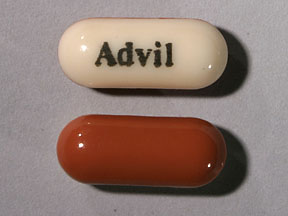 Advil
Advil Tylenol
Comparison Table
| Feature | Advil | Tylenol |
| Active Ingredient | Acetaminophen | Ibuprofen |
| Duration Of Action | Every 4–8 hours | Every 4–6 hours |
| Onset Of Effect | Not specified | Not specified |
| Max Daily Otc Dose | Not specified | 1,200 mg |
| Pediatric Use | Infants, with care | 6 months and older |
Price comparison
Comparing prices for Advil (4 Tablets 200MG) and Tylenol (30 Tablets 325MG). For other forms and dosages please refer to Advil and Tylenol pages.
 Albertsons
 Walgreens
 Walmart
Advil savings card
Show this coupon to your pharmacistAlbertsons
$3.98
BIN
ID
PCN
GRP
011867
LH3F2F275A
HT
LABH001
Dosage guidelines
| Dosage | Advil | Tylenol |
| Adult Dosage | 325-650 mg every 4 hrs | 200-400 mg every 4-6 hrs |
| First Dose | 325-650 mg | 200-400 mg |
| Maximum Daily Dose | Not specified | 1,200 mg (OTC use) |
| Pediatric Dosing | 10-15 mg/kg every 6-8 hrs | 5-10 mg/kg every 6-8 hrs |
| Special Notes | Use carefully with liver issues | Avoid under 6 months old |
Side effects comparison
When it comes to side effects, Tylenol (acetaminophen) and Advil (ibuprofen) each have their own risks and considerations. Both are widely used and generally safe when taken as directed, but understanding how they differ can help you choose the right medication for your needs and stay safe, especially if you have other health conditions or are giving medicine to a child.
Tylenol, which contains acetaminophen, is well known for being gentle on the stomach and unlikely to cause problems like ulcers or bleeding in the digestive tract. However, its most serious risks are related to the liver. Taking too much acetaminophen—either at one time or over several days—can damage the liver and, in severe cases, lead to liver failure. This risk is higher for people who already have liver problems or who drink alcohol heavily. Other possible side effects, though less common, may include allergic or hypersensitivity reactions such as rashes, skin reactions, kidney problems, low red blood cell count (anemia), or a reduced number of blood platelets. People are advised not to use acetaminophen for longer than 10 days for pain unless a doctor recommends it and to check all medications they are taking, as acetaminophen is found in many combination cold and flu remedies, increasing the chance of accidental overdose.
Advil, or ibuprofen, is part of a group of medications called nonsteroidal anti-inflammatory drugs (NSAIDs). Ibuprofen’s side effects are different and more related to the stomach, kidneys, and how blood clots. Common side effects can include:
Stomach pain, heartburn, diarrhea, constipation, or nausea
Increased risk of bleeding, since NSAIDs slow down how quickly your blood clots; this is especially important to keep in mind after an injury or if you have certain medical conditions
Dizziness, drowsiness, or ringing in the ears
Risk of ulcers or gastrointestinal bleeding, especially if taken at high doses or for long periods
Kidney problems with long-term use, or when used in people who already have kidney trouble
Ibuprofen should be taken with food or milk to help protect the stomach. It is not recommended for people with certain conditions, like a history of stomach ulcers, gastrointestinal bleeding, some kidney or clotting problems, or for those who are dehydrated or not eating well. Ibuprofen is not advised for use in pregnancy and should only be given to children over 6 months old. Those with asthma are more likely to have allergic reactions to ibuprofen and other NSAIDs.
Certain groups of people need to be particularly cautious. For instance, acetaminophen is the preferred choice for pregnant or breastfeeding women, but not for those with serious liver disease. Ibuprofen is acceptable when breastfeeding, but not during pregnancy, and requires caution for anyone with heart or kidney problems, high blood pressure, or the elderly. In children, the choice between the two depends on age and weight: acetaminophen can be used in infants (with doctor guidance), while ibuprofen should not be used under six months of age and may not be right for children with gastrointestinal or kidney issues.
No matter which medication you choose, always use the correct dose and avoid taking more than instructed. Overdose and long-term use can lead to serious complications—liver failure for acetaminophen and stomach, kidney, or bleeding issues for ibuprofen. If you are ever unsure which medicine to use or how much to take, it’s a good idea to check with your doctor or pharmacist, especially if you are managing chronic health conditions or giving medicine to children. Always read medication labels carefully, since both acetaminophen and ibuprofen are common in many over-the-counter products. Keeping track of doses and timing can help you stay safe while getting the relief you need.
Interactions comparison
When comparing Tylenol (Acetaminophen) and Advil (Ibuprofen), it's important to understand that each treats pain and fever, but they have some key differences in how they work and what conditions they are most suitable for. Tylenol helps by reducing pain and lowering fever, but it does not target inflammation. Advil, on the other hand, not only reduces pain and fever but also works as an anti-inflammatory medicine, which means it can help reduce swelling and inflammation in the body.
For general aches, pains, and fever, both Tylenol and Advil are commonly used, and the choice often comes down to personal preference or specific health needs. For example:
Headaches, colds, and fever: Either Tylenol or Advil can be used. Some people find Tylenol works better for their headaches or minor fevers, while others prefer Advil. Both are effective for reducing fever and general pain caused by illnesses like colds or the flu.
Muscle aches or strains: Since Advil is an anti-inflammatory, it may be more effective at relieving pain from muscle aches or strains, where inflammation is involved.
Menstrual cramps and arthritis: Advil is often a better choice because these conditions involve inflammation, and its anti-inflammatory effects can be more helpful.
Soreness or discomfort from minor injuries: If inflammation or swelling is present, Advil’s ability to reduce inflammation can make it more suitable, but Tylenol can still be used if there are concerns about stomach upset or if anti-inflammatory effects are not needed.
Both medications can be used for children, but there are important age restrictions and safety considerations. Tylenol may be given to infants and young children, but newborn babies should only receive it if instructed by a doctor. Advil is not recommended for children younger than six months. For older children, both medications are available in liquid and chewable forms, and the dose must be adjusted based on the child’s weight. Parents should always use the measuring device provided with the medication and avoid kitchen spoons to ensure accurate dosing. It’s very important not to exceed the recommended dose, as taking too much of either medication can lead to serious health risks.
There are also specific groups of people for whom Tylenol or Advil may not be suitable. Tylenol should be used with caution in individuals with liver problems, as excessive or long-term use can cause serious liver damage. Advil should be avoided or used very carefully by those with heart disease, high blood pressure, clotting disorders, kidney problems, or by older adults, because side effects can include increased risk of stomach ulcers, bleeding, and kidney complications. Advil is not recommended during pregnancy, but Tylenol can be used safely during pregnancy and breastfeeding.
Because both Tylenol and Advil are included in many combination medicines for colds, coughs, and other ailments, it’s important for patients to check medication labels to avoid taking an accidental overdose. Overdosing can have serious consequences, especially for the liver with Tylenol and for the stomach and kidneys with Advil. When in doubt, especially in children, or if you have another health condition, it’s best to ask a healthcare provider for advice.
In summary, Tylenol is best chosen when you need pain and fever relief without concern for inflammation, and is generally safe for younger children and during pregnancy. Advil is a good option when pain is linked to inflammation, such as with muscle injuries, menstrual cramps, or arthritis, but it should be used with caution in people with certain health risks or in children younger than six months. Always follow the recommended directions for use and dosing for safe and effective relief.
When to choose each medication
- Pain with inflammation (e.g., muscle aches, sprains, arthritis)
- Menstrual cramps
- Longer-lasting pain relief needed
- Not recommended during pregnancy
- Avoid if you have stomach ulcers or kidney issues
- Fever reduction
- Mild to moderate pain without inflammation
- Safe during pregnancy and breastfeeding (when used as directed)
- Gentler on the stomach
- Preferred for infants and young children
Frequently Asked Questions
How to decide between Advil and Tylenol?
When choosing between Advil (ibuprofen) and Tylenol (acetaminophen), consider the following factors:
Pain Type:
- Advil is generally better for inflammatory pain, such as arthritis or muscle sprains.
- Tylenol is often recommended for pain relief that is not inflammation-based, such as headaches or fever.
Stomach Sensitivity:
- Advil can irritate the stomach lining and may not be suitable for those with gastrointestinal issues.
- Tylenol is gentler on the stomach.
Liver Health:
- Tylenol is processed by the liver, so caution is advised for those with liver conditions or those who consume alcohol regularly.
- Advil can be a safer option for liver health, but it should be used cautiously in individuals with kidney problems.
Age and Safety:
- Tylenol is often preferred for children and is considered safer for long-term use.
- Advil should be used with caution in certain populations, such as older adults and those with specific health concerns.
It is important to follow dosing instructions and consult a healthcare professional for personalized advice, especially for ongoing pain management.
Who should not take Advil?
Individuals who should avoid taking Advil (ibuprofen) include those who have experienced allergic reactions to aspirin or other nonsteroidal anti-inflammatory drugs (NSAIDs), those with a history of gastrointestinal bleeding or ulcers, individuals with severe heart, kidney, or liver disease, and those who are pregnant, especially in the third trimester. It is also important for individuals taking blood thinners or those with certain health conditions to consult a healthcare provider before using Advil.
Why do doctors recommend Advil over Tylenol?
Doctors may recommend Advil (ibuprofen) over Tylenol (acetaminophen) in certain situations because ibuprofen has anti-inflammatory properties, which can be beneficial for conditions involving inflammation, such as arthritis or muscle sprains. Additionally, ibuprofen can be more effective for reducing swelling and relieving pain associated with inflammation. However, the choice between Advil and Tylenol depends on individual patient needs, medical history, and potential side effects. It's always important for patients to follow their doctor's specific recommendations.
Can I take Advil if I have high blood pressure?
People with high blood pressure should use Advil (ibuprofen) with caution, as it may potentially increase blood pressure. It's advisable to consult with a healthcare provider before taking Advil or any nonsteroidal anti-inflammatory drugs (NSAIDs) if there is a history of hypertension. A healthcare professional can recommend the most appropriate pain relief options based on individual health needs.
Which is healthier, Tylenol or Advil?
Both Tylenol (acetaminophen) and Advil (ibuprofen) are generally safe when used as directed, but they differ in their uses and potential side effects. Tylenol is often used for pain relief and reducing fever, and it is less likely to cause stomach irritation or bleeding compared to Advil. However, Tylenol can be harmful to the liver, especially in high doses or with long-term use.
Advil, on the other hand, is a nonsteroidal anti-inflammatory drug (NSAID) and is used for pain relief, reducing fever, and addressing inflammation. It can sometimes cause stomach irritation or increase the risk of bleeding, particularly with prolonged use or at high doses.
The choice between Tylenol and Advil depends on the individual's specific health needs and medical history. It is advisable to consult a healthcare professional to determine which is more suitable for a particular situation.
What is the risk of taking Advil?
Taking Advil, which contains ibuprofen, can carry certain risks. Common side effects may include stomach upset, nausea, or dizziness. There is also a risk of more serious effects such as gastrointestinal bleeding, ulcers, kidney damage, or an increased risk of heart attack or stroke, especially if used in high doses or over a prolonged period. People with certain conditions, such as heart disease, high blood pressure, or a history of gastrointestinal issues, should use caution. It is important to follow dosing recommendations and consult with a healthcare provider if there are any concerns.
Which one is more effective, Advil or Tylenol?
The effectiveness of Advil (ibuprofen) versus Tylenol (acetaminophen) can depend on the type of pain or condition being treated. Advil is a nonsteroidal anti-inflammatory drug (NSAID), which means it is often more effective for reducing inflammation and treating conditions like arthritis or muscle pain. Tylenol, on the other hand, is not an anti-inflammatory but is effective for reducing fever and relieving mild to moderate pain, such as headaches or toothaches. Ultimately, the choice between the two may depend on the specific symptoms and individual patient considerations, including any underlying health conditions or potential for side effects. Consulting with a healthcare provider can help determine the best option.
What drugs should you not take with Advil?
Advil, which contains ibuprofen, should not be taken with certain other medications to avoid potential interactions. These include:
- Other nonsteroidal anti-inflammatory drugs (NSAIDs) like aspirin or naproxen.
- Blood thinners such as warfarin or aspirin used for cardiovascular protection.
- Certain antihypertensive medications, including ACE inhibitors, diuretics, and beta-blockers, as ibuprofen may reduce their effectiveness.
- Lithium, as ibuprofen can increase lithium levels in the blood.
- Methotrexate, as it can increase the risk of methotrexate toxicity.
- Certain antidepressants, such as SSRIs, which may increase the risk of gastrointestinal bleeding.
Consulting with a healthcare provider before combining medications is always recommended.
Why should people over 65 not take Advil?
People over 65 should be cautious when taking Advil (ibuprofen) due to an increased risk of side effects such as gastrointestinal bleeding, kidney problems, and cardiovascular issues. As individuals age, they become more susceptible to these adverse effects, and alternative pain management strategies might be safer. It's important for older adults to consult with a healthcare provider before taking Advil or any NSAIDs.
References
- Mercycare: Tylenol & Advil – When to Use Which
- Unitypoint: Acetaminophen vs. Ibuprofen: What to Take When
- Hss Edu: What's the Difference Between Tylenol, Advil and Aleve?
- Express Scripts: Tylenol vs. Advil for pain relief
- Motrin: MOTRIN® and TYLENOL®: What Is the Difference?
- Weliahealth: Advil vs. Tylenol – What's the difference?