

Aleve vs Ibuprofen: Compare Differences & Prices
Key Takeaways
- Aleve (naproxen) and ibuprofen are both nonsteroidal anti-inflammatory drugs (NSAIDs) used to relieve pain, reduce inflammation, and lower fever, but they have different active ingredients.
- Aleve generally provides longer-lasting relief (up to 12 hours per dose) compared to ibuprofen, which typically lasts 4 to 6 hours and may require more frequent dosing.
- Ibuprofen is approved for use in children as young as 6 months old, while Aleve is only recommended for adults and children 12 years and older.
- Both drugs can cause side effects such as stomach upset, ulcers, or bleeding, especially with long-term use or in higher doses.
- Aleve may have a slightly lower risk of certain heart-related side effects compared to ibuprofen, but both should be used with caution in people with heart, kidney, or gastrointestinal conditions.
Key Similarities
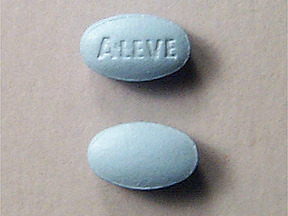 Aleve
Aleve Ibuprofen
Comparison Table
| Feature | Aleve | Ibuprofen |
| Active Ingredient | Naproxen sodium | Ibuprofen |
| Duration Of Action | Up to 12 hours | 4–6 hours |
| Onset Of Effect | Slower | Faster |
| Max Daily Otc Dose | Not specified | Not specified |
| Pediatric Use | 12+ years | 6 months+ |
Price comparison
Comparing prices for Aleve (30 Tablets 220MG) and Ibuprofen (30 Tablets 800MG). For other forms and dosages please refer to Aleve and Ibuprofen pages.
 CVS
CVS Walmart
 Albertsons
 Walgreens
Aleve savings card
Show this coupon to your pharmacistWalmart
$10.31
BIN
ID
PCN
GRP
015995
LHKVV608353
GDC
DR33
Dosage guidelines
| Dosage | Aleve | Ibuprofen |
| Adult Dosage | 220 mg every 8-12 hrs | 200-400 mg every 4-6 hrs |
| First Dose | 220 mg | 200-400 mg |
| Maximum Daily Dose | Follow package label | Follow package label |
| Pediatric Dosing | OTC: 12+ yrs; Rx: ≥2 yrs | 6 months+ |
| Special Notes | Longer-acting; not for under 12 OTC | Shorter-acting; safer for young children |
Side effects comparison
When deciding between naproxen sodium (the main ingredient in Aleve) and ibuprofen, it's important to understand their potential side effects. Both belong to a group of drugs called nonsteroidal anti-inflammatory drugs, or NSAIDs. These medications help with pain, inflammation, and fever, but they can also cause unwanted effects, especially when used for long periods or in higher doses.
For most people, the common side effects of naproxen and ibuprofen are similar. These include stomach-related problems such as pain, nausea, heartburn, diarrhea, constipation, or indigestion. Some people may also experience a headache, dizziness, itching, or ringing in the ears. In addition, NSAIDs can cause swelling in the arms or legs, a condition known as edema. Here is a summary of some of the usual side effects:
Stomach pain or discomfort
Heartburn or indigestion
Nausea or vomiting
Diarrhea or constipation
Headache
Dizziness
Itching or rash
Ringing in the ears (tinnitus)
Swelling of arms or legs
While these side effects may be mild and temporary in some cases, both naproxen and ibuprofen also carry the risk of more serious complications. These drugs can increase the chances of stomach ulcers, bleeding in the digestive tract, and even kidney or liver problems when used for an extended period. There is also a risk of increased blood pressure, heart attack, or stroke, especially in people with existing heart or blood vessel concerns. It’s worth noting that while both medicines can cause these problems, ibuprofen may have a higher risk of causing heart-related issues compared to naproxen.
If you notice symptoms such as black or bloody stools, vomiting blood, severe stomach pain, yellowing of the skin or eyes, or swelling that does not improve, you should stop using the medication and seek medical care right away. Allergic reactions can also occur with either medicine, including hives, swelling of the face or throat, trouble breathing, or a severe rash. These reactions require immediate medical attention.
It’s also important to consider existing health conditions and medications. Both naproxen and ibuprofen can interact with blood thinners and certain antidepressants, raising the risk of bleeding. They can also affect blood pressure medicine or diuretics, possibly making them less effective, and can increase toxicity risks for people taking lithium or methotrexate. People with a history of stomach ulcers, heart disease, high blood pressure, kidney disease, or liver disease should consult a healthcare professional before using these NSAIDs. Taking either drug with alcohol or for longer periods can make stomach, liver, or kidney side effects much more likely.
While over-the-counter pain relievers can be helpful, using them safely is essential. Always take the lowest effective dose for the shortest possible time, pay attention to warnings on the package, and check with your doctor or pharmacist if you have questions—especially if you have other medical conditions or take other medications. The right choice between naproxen and ibuprofen may depend on your specific health needs and how you react to each medication.
Interactions comparison
Aleve and Ibuprofen are both well-known over-the-counter medicines used to treat pain, fever, and inflammation. While they share many similarities as nonsteroidal anti-inflammatory drugs (NSAIDs), there are some differences in the conditions each is approved to treat and how each might be best used for different types of pain or discomfort.
Both Aleve, which contains Naproxen Sodium, and ibuprofen are approved to treat minor aches and pains that often arise from common causes. You can use either medication to relieve discomfort from headaches, muscle aches, toothaches, and menstrual cramps. They are also both choices for reducing fever and managing pain from conditions involving inflammation, such as osteoarthritis and rheumatoid arthritis. People dealing with joint swelling or mild injury pain may find relief from either option.
Here is a summary of the main conditions treated by these medications:
Minor aches and pains (such as headaches, muscle pain, dental pain, back pain)
Menstrual cramps
Fever
Osteoarthritis
Rheumatoid arthritis
Ankylosing spondylitis (a type of arthritis that affects the spine)
While there is significant overlap, there are some unique areas where one medication may be used and not the other. Aleve is approved to treat gout, a type of arthritis caused by a buildup of uric acid, which can cause episodes of intense pain and swelling, usually in the big toe or foot. Ibuprofen, on the other hand, is approved for the treatment of migraines—a type of severe headache that often comes with sensitivity to light or sound—even though Aleve might be used for this purpose as well, but it is not specifically approved for migraines.
When considering which medicine may be most suitable for your needs, it is also important to note their age recommendations. Ibuprofen can be used for adults, children, and infants as young as six months old, making it a convenient option for younger children who need pain or fever relief. Aleve, however, is generally approved for adults and children aged 12 years and older. This difference can be helpful for parents deciding which medication to keep on hand for family use.
Another important point is the duration of relief. Aleve tends to last longer in the body and often needs to be taken only every 8 to 12 hours, making it helpful for ongoing, longer-term pain—such as chronic joint pain from arthritis—or for situations when taking medicine throughout a school or work day might not be practical. Ibuprofen, in contrast, usually needs to be taken every 4 to 6 hours for continued relief, which can make it a good choice for shorter-term symptoms or for pain that needs to be carefully adjusted throughout the day.
In summary, Aleve and ibuprofen are both versatile medications that can help with a range of painful or inflammatory conditions. When deciding between them, factors such as the specific type of pain, age of the person needing medication, and the desired length of action should be taken into account. As always, if you are unsure which medication is best for your situation, or if you are dealing with a chronic or severe health issue, it is a good idea to consult your healthcare provider for guidance.
When to choose each medication
- Longer-lasting relief per dose (8–12 hours)
- Convenient for chronic or persistent pain
- May be preferred for adults and older children
- Potentially lower risk of heart-related side effects compared to some other NSAIDs
- Less frequent dosing needed
- Works quickly for pain or fever
- Dosed every 4–6 hours, allowing flexible dosing
- Available in a variety of forms (liquid, chewable, tablets)
- Approved for use in infants (6+ months) and children
- Commonly used for fever reduction and general pain relief
Frequently Asked Questions
Which is more effective, Aleve or ibuprofen?
The effectiveness of Aleve (naproxen) versus ibuprofen can vary depending on the individual's condition and response to the medication. Both are nonsteroidal anti-inflammatory drugs (NSAIDs) used to relieve pain, reduce inflammation, and lower fever. Aleve may provide longer-lasting relief with less frequent dosing, as it is typically taken every 8 to 12 hours, whereas ibuprofen is taken every 4 to 6 hours. It's important for individuals to consider their specific needs, any medical conditions, and consult a healthcare professional to determine which medication is more appropriate for them.
Can I take Aleve while pregnant?
It is generally advised to avoid taking Aleve (naproxen) during pregnancy, especially in the third trimester, due to potential risks to the developing fetus. It is important to consult with a healthcare provider for personalized advice and safer alternatives.
Is taking Aleve every day bad for you?
Taking Aleve (naproxen) every day can pose certain risks, especially if used for prolonged periods. It is a nonsteroidal anti-inflammatory drug (NSAID) that can increase the risk of gastrointestinal bleeding, ulcers, kidney damage, and cardiovascular issues when used continuously. It is important to follow the dosage instructions on the label and consult a healthcare professional to determine whether daily use is appropriate for an individual's specific health needs and conditions.
What is the downside of Aleve?
Aleve, which contains the active ingredient naproxen, may have several potential downsides or side effects. Common side effects include gastrointestinal issues such as stomach pain, heartburn, nausea, and indigestion. More serious risks involve gastrointestinal bleeding, ulcers, and increased risk of cardiovascular events such as heart attack or stroke, especially with long-term use. Aleve may also lead to kidney damage and should be used cautiously in individuals with pre-existing kidney conditions. It is important for individuals to follow the recommended dosage and consult with a healthcare provider if they have any underlying health conditions or are taking other medications.
Can Aleve cause canker sores?
Aleve (naproxen) is not commonly associated with the development of canker sores. However, it is a nonsteroidal anti-inflammatory drug (NSAID), and some individuals may experience mouth irritation or ulcers as a side effect. If someone notices canker sores after taking Aleve, it would be advisable to discuss this with a healthcare professional to determine the cause and appropriate action.
Can Aleve cause a rash?
Yes, Aleve (naproxen) can potentially cause a rash as a side effect. Rashes can indicate an allergic reaction or other adverse response to the medication. If a rash develops, it is recommended to stop taking the medication and consult a healthcare professional for further evaluation and guidance.
What pain reliever can I take while pregnant?
Acetaminophen is generally considered safe for use during pregnancy for pain relief. However, it is important to consult with a healthcare provider before taking any medication while pregnant to ensure it is appropriate for the individual's specific situation.
What is the strongest anti-inflammatory for pain?
The strength of an anti-inflammatory medication can vary based on individual needs and medical conditions. Commonly used strong anti-inflammatory medications include prescription-strength nonsteroidal anti-inflammatory drugs (NSAIDs) like diclofenac, indomethacin, and naproxen. In some cases, corticosteroids such as prednisone may be used for their potent anti-inflammatory effects. It's important for patients to consult with a healthcare provider to determine the most appropriate treatment based on their specific condition and medical history.
Is Aleve the same as ibuprofen?
Aleve and ibuprofen are not the same medication. Aleve contains naproxen sodium, while ibuprofen is another type of nonsteroidal anti-inflammatory drug (NSAID). Both medications are used to relieve pain and reduce inflammation, but they differ in their active ingredients and duration of action. Aleve generally has a longer duration of action compared to ibuprofen. It's important for individuals to follow dosing instructions and consult with a healthcare provider if they have any questions or concerns about which medication to use.
What organs does Aleve damage?
Aleve, which contains the active ingredient naproxen, can potentially cause damage to the stomach, kidneys, and liver. It may lead to gastrointestinal issues such as ulcers or bleeding, particularly with long-term use. Additionally, it can affect kidney function and, in rare cases, cause liver damage. It is important for individuals to use Aleve as directed and consult with a healthcare professional if they have concerns about its impact on their health.
References
- Hss Edu: What's the Difference Between Tylenol, Advil and Aleve?
- Bluecrossvt: Difference in Over-the-Counter Pain Relievers
- Bonnergeneral: Ibuprofen vs. naproxen, the battle of the analgesics
- Verywellhealth: What the Difference Between Aleve vs. Advil?
- Health Yahoo: Aleve vs. Advil - What's the difference? Comparing these ...
- Health: Advil vs. Aleve: How To Choose the Right NSAID