

Aspirin vs Ibuprofen: Compare Differences & Prices
Key Takeaways
- Aspirin and ibuprofen are both NSAIDs used to treat pain, fever, and inflammation, but aspirin is also commonly used for heart attack and stroke prevention due to its blood-thinning properties.
- Ibuprofen is generally considered to have a lower risk of causing stomach ulcers and gastrointestinal bleeding compared to aspirin, though both can cause digestive side effects.
- Aspirin should not be given to children or teenagers with viral illnesses because of the risk of Reye’s syndrome, while ibuprofen is approved for use in children over 6 months old.
- Taking aspirin and ibuprofen together is not recommended, as ibuprofen can interfere with aspirin’s heart-protective effects and increase the risk of side effects. Always consult a healthcare provider before combining or switching between these medications.
Key Similarities
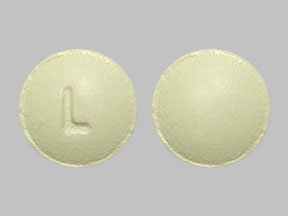 Aspirin
 Ibuprofen
Comparison Table
| Feature | Aspirin | Ibuprofen |
| Active Ingredient | Acetylsalicylic acid | Ibuprofen |
| Duration Of Action | Varies, check package | 4-6 hours |
| Onset Of Effect | Varies, check package | Varies, check package |
| Max Daily Otc Dose | Check package instructions | 1,200 mg |
| Pediatric Use | Avoid under 12 years | 6 months and older |
Price comparison
Comparing prices for Aspirin (90 Tablet Delayed Releases 81MG) and Ibuprofen (30 Tablets 800MG). For other forms and dosages please refer to Aspirin and Ibuprofen pages.
 CVS
CVS Walmart
 Albertsons
 Walgreens
Aspirin savings card
Show this coupon to your pharmacistAlbertsons
$7.04
BIN
ID
PCN
GRP
011867
LH2F4F9C76
HT
LABH001
Dosage guidelines
| Dosage | Aspirin | Ibuprofen |
| Adult Dosage | 325 mg as needed | 200–400 mg as needed |
| First Dose | 325 mg | 200 mg |
| Maximum Daily Dose | up to 325 mg each time | up to 1200 mg |
| Pediatric Dosing | Not recommended | 6+ months, weight-based |
| Special Notes | Blood thinner; avoid in kids | Lower GI risk; child-friendly |
Side effects comparison
When comparing the side effects of aspirin and ibuprofen, it is important to recognize both their similarities and notable differences, especially in relation to the digestive system, age restrictions, and potential allergic reactions.
Both aspirin and ibuprofen belong to a family of medications called nonsteroidal anti-inflammatory drugs (NSAIDs). These drugs work by blocking certain chemicals in the body that cause pain and inflammation. While they can both help relieve aches and reduce fevers, taking them regularly or in high doses increases the risk of side effects, most commonly involving the stomach. Aspirin, in particular, carries a higher risk of causing stomach irritation, ulcers, and bleeding in the digestive tract compared to ibuprofen. Common side effects of aspirin include nausea, vomiting, heartburn, and stomach pain. In more serious cases, people may experience bloody vomit or dark stools, which could indicate gastrointestinal bleeding and require immediate medical attention.
Ibuprofen can also irritate the stomach, but it is generally considered gentler than aspirin when it comes to causing digestive problems. Typical side effects include constipation, diarrhea, bloating, dizziness, and ringing in the ears. Though less likely than with aspirin, ibuprofen can still cause stomach ulcers and, in rare cases, bleeding. It is important to follow recommended dosages and avoid taking these medications for longer than necessary to reduce the risk of these stomach issues.
There are certain risks that are unique to each medication. Aspirin can prevent blood clotting, which is sometimes desirable for adults with heart disease or those at risk for stroke, as it can help protect against heart attacks. However, this blood-thinning effect also means that aspirin can increase the chance of serious bleeding problems. As a result, anyone with bleeding disorders, a history of ulcers, or anyone scheduled for surgery should avoid or be very cautious with aspirin use. On the other hand, ibuprofen has minimal blood-thinning properties and is not used for heart protection, making it a better choice for people who are not seeking to prevent blood clots.
Allergic reactions are another consideration. Some people may be sensitive to aspirin or ibuprofen, experiencing symptoms like hives, facial swelling, breathing difficulties, or asthma-like responses. For anyone who has had an allergic reaction to one NSAID, caution should be used with any other drugs in the same family. Aspirin is derived from salicylic acid, and people with known allergies to this compound should avoid it entirely.
Age also plays a major role in side effect risk, especially with aspirin. Aspirin should never be given to children or teenagers, particularly during or after viral illnesses, because it can cause a rare but serious condition called Reye’s syndrome that leads to liver and brain damage. In children, ibuprofen is a safer choice and is approved for use in infants over 6 months old, with doses adjusted according to body weight. For older adults, both medications need to be used with extra caution, as aging increases the likelihood of experiencing side effects from NSAIDs, such as stomach bleeding, heart, or kidney problems.
In summary, while both aspirin and ibuprofen can relieve pain and inflammation, aspirin causes more digestive issues and carries an increased risk of bleeding. Ibuprofen is typically better tolerated for long-term use, but both drugs have the potential for serious side effects if used incorrectly or for extended periods. Always use the lowest effective dose for the shortest required time and consult a doctor, especially if you have health conditions, are elderly, or are considering giving these medications to children. If new symptoms such as skin rashes, breathing problems, stomach pain, dark stools, or bloody vomit appear after taking either medication, stop use and seek medical advice promptly.
Interactions comparison
Aspirin and Ibuprofen are both widely used to treat pain, inflammation, and fever, but they each have their own strengths and best uses depending on the condition being treated. Understanding when one may be better than the other can help you choose the most effective option for your situation, while minimizing risks.
For general pain relief, such as mild to moderate headaches, toothaches, or muscle aches, both aspirin and ibuprofen can be effective. Typically, the choice depends on your medical history and how your body tolerates these drugs. Ibuprofen is often preferred for regular or ongoing use because it tends to have fewer issues with stomach irritation compared to aspirin. Aspirin can be harsher on the digestive system, increasing the risk of stomach ulcers and bleeding with continued use. Additionally, ibuprofen can provide effective relief for pain related to menstrual cramps and arthritis due to its anti-inflammatory action and relative comfort for longer-term use.
When it comes to inflammation-related pain—such as from arthritis, sprains, or muscle overuse—ibuprofen is generally favored over aspirin. Ibuprofen works well to reduce both pain and swelling, which makes it the go-to choice for chronic issues like joint inflammation or back pain. Regular use of aspirin for these conditions is less common, mainly because of its higher risk of gastrointestinal side effects, especially if used over longer periods.
Aspirin, on the other hand, has a unique role in the prevention of heart attacks and strokes. At low doses, it helps prevent blood clots, which makes it particularly helpful for people at risk of cardiovascular disease. This blood-thinning effect is not shared by ibuprofen, so ibuprofen is not used for heart protection or stroke prevention. However, this same effect also means aspirin is not appropriate for everyone—it should be avoided by people with bleeding disorders or who are already taking other blood-thinning medications, unless specifically directed by a doctor.
Here is a breakdown of when each drug may be more appropriate:
Aspirin is commonly used for:
Occasional mild to moderate pain, like headaches or minor aches
Reducing fever in adults
Prevention of heart attacks and strokes in appropriate adults (low-dose daily use)
Treating certain inflammatory conditions, though less commonly than ibuprofen
Ibuprofen is commonly used for:
Ongoing pain due to arthritis, muscle aches, or back pain
Menstrual cramps
Acute injuries such as sprains or strains
Fever reduction in both adults and children (from 6 months of age and above)
There are also important age-related and safety considerations to keep in mind. Aspirin should not be given to children or teenagers, especially those recovering from viral infections, due to the risk of a rare but serious condition called Reye’s syndrome. Ibuprofen, in contrast, is approved for use in infants six months and older, and is often the preferred over-the-counter medication for children needing pain or fever relief.
In summary, both aspirin and ibuprofen can treat pain, fever, and inflammation, but ibuprofen is usually recommended for ongoing inflammatory conditions and for use in children, while aspirin is chosen for its protective effects in heart disease and prevention of blood clots in adults. Your health status, age, and any chronic conditions play a major role in deciding which medication is safest and most effective for your needs. Always talk to your doctor or pharmacist before starting a new medication, especially if you have underlying health issues or take other medicines.
When to choose each medication
- Choose aspirin for prevention of heart attack or stroke in patients with cardiovascular risk.
- Use aspirin for mild pain relief such as headaches or toothaches.
- Aspirin is preferred for its antiplatelet (blood-thinning) effects.
- Consider aspirin for short-term relief of minor aches and pains.
- Choose ibuprofen for inflammatory pain such as arthritis, muscle aches, or back pain.
- Use ibuprofen for menstrual cramps.
- Ibuprofen is preferred for reducing fever, especially in children and adults.
- Consider ibuprofen for longer-term pain management due to its stronger anti-inflammatory effects.
Frequently Asked Questions
Why is aspirin less common now?
Aspirin use has become less common due to the availability of newer medications that provide similar benefits with potentially fewer side effects. For instance, nonsteroidal anti-inflammatory drugs (NSAIDs) and acetaminophen can often be used to manage pain and inflammation. Additionally, certain risks associated with aspirin, such as gastrointestinal bleeding and Reye's syndrome in children, have led to more cautious use. Furthermore, for heart attack and stroke prevention, alternatives like clopidogrel or low-dose aspirin are often preferred based on individual risk factors and medical history. It is important for individuals to consult with their healthcare provider to determine the most appropriate medication for their needs.
Is aspirin banned in the US?
Aspirin is not banned in the United States. It is widely available over-the-counter and is commonly used for pain relief, reducing inflammation, and as an antiplatelet medication. However, it's important to use it as directed and be aware of potential risks, especially for certain populations such as children and individuals with specific medical conditions.
What is the healthiest pain reliever to take?
The healthiest pain reliever can vary depending on the individual's health conditions, allergies, and specific pain relief needs. Generally, acetaminophen is considered safe for many people as it does not irritate the stomach. However, for those with liver issues, it should be used cautiously. Nonsteroidal anti-inflammatory drugs (NSAIDs) like ibuprofen or naproxen can be effective for inflammation-related pain but may not be suitable for individuals with certain gastrointestinal, kidney, or cardiovascular conditions. It is important to consult with a healthcare provider to determine the best option based on personal health factors.
Can ibuprofen cause fluid retention?
Yes, ibuprofen can cause fluid retention. This is because nonsteroidal anti-inflammatory drugs (NSAIDs) like ibuprofen can affect kidney function, leading to sodium and water retention in some individuals. If someone experiences significant fluid retention or swelling while taking ibuprofen, they should consult their healthcare provider.
Is it still recommended to take aspirin?
Yes, aspirin is still recommended for certain medical conditions. It is commonly used for its antiplatelet effects to reduce the risk of heart attacks and strokes in individuals with specific cardiovascular conditions. However, its use should be carefully considered and discussed with a healthcare provider, as it may not be suitable for everyone and can have potential side effects, such as gastrointestinal bleeding.
Can aspirin cause tongue swelling?
Yes, aspirin can cause tongue swelling as a symptom of an allergic reaction. If someone experiences tongue swelling after taking aspirin, it is important to seek medical attention immediately.
Which is better, ibuprofen or aspirin?
The choice between ibuprofen and aspirin depends on the specific condition being treated and individual health factors. Both are nonsteroidal anti-inflammatory drugs (NSAIDs) used for pain relief and reducing inflammation and fever.
Ibuprofen is often preferred for general pain relief and inflammation, such as in cases of arthritis or menstrual cramps, due to its typically gentler effect on the stomach.
Aspirin is sometimes used for pain relief but is particularly noted for its blood-thinning properties, making it useful in preventing heart attacks or strokes in certain individuals.
It's important to consider personal medical history and possible drug interactions. Consulting a healthcare professional is recommended to determine the most suitable option for individual needs.
Can I take aspirin for gallbladder pain?
Aspirin is not typically recommended for gallbladder pain. Gallbladder pain is often caused by inflammation or gallstones, and nonsteroidal anti-inflammatory drugs (NSAIDs) like ibuprofen can sometimes be used to help manage the pain. However, it's important for the individual to consult with a healthcare professional for proper diagnosis and treatment, as gallbladder issues can sometimes require medical or surgical intervention.
Can ibuprofen cause swollen feet?
Yes, ibuprofen can cause swollen feet as a side effect. This can occur due to fluid retention, which is a known potential side effect of nonsteroidal anti-inflammatory drugs (NSAIDs) like ibuprofen. If someone experiences this symptom, it's advisable for them to consult a healthcare provider.
What is the most common side effect of ibuprofen?
The most common side effect of ibuprofen is gastrointestinal discomfort, which can include symptoms such as nausea, heartburn, or upset stomach.
Why don't doctors recommend aspirin for pain?
Doctors may not recommend aspirin for pain relief in certain situations due to its potential side effects and the availability of alternative medications. Aspirin can cause gastrointestinal issues such as stomach ulcers and bleeding, especially with long-term use. Additionally, it has blood-thinning properties, which may not be suitable for all patients. Other medications, such as acetaminophen or ibuprofen, may be preferred for pain management depending on the individual's health profile and specific needs.
Is aspirin safe to take for a headache?
Aspirin can be used to relieve headaches for many individuals. However, it is important to consider any personal medical conditions, allergies, or medications that a person may be taking, as aspirin can interact with certain conditions and drugs. People with a history of gastrointestinal issues, bleeding disorders, or those who are pregnant should consult a healthcare provider before using aspirin. It is also not recommended for children or teenagers with viral infections due to the risk of Reye's syndrome. Always follow the dosage instructions on the label or as advised by a healthcare professional.
What medications cause swollen feet?
Several medications can cause swollen feet as a side effect. These may include:
- Calcium channel blockers: Commonly used for high blood pressure, such as amlodipine and nifedipine.
- Nonsteroidal anti-inflammatory drugs (NSAIDs): Such as ibuprofen and naproxen.
- Corticosteroids: Like prednisone, often used for inflammation and allergic reactions.
- Hormone medications: Including estrogen and testosterone.
- Certain diabetes medications: Such as pioglitazone and rosiglitazone.
- Antidepressants: Including medications like MAO inhibitors and tricyclic antidepressants.
If swelling occurs, it is important to consult a healthcare provider to evaluate the medication regimen and consider alternatives if necessary.
Which is easier on the liver, aspirin or ibuprofen?
Aspirin is generally considered to be easier on the liver than ibuprofen. While both medications can have effects on the liver, ibuprofen and other nonsteroidal anti-inflammatory drugs (NSAIDs) are more commonly associated with liver issues, especially when used in high doses or for prolonged periods. It's important to use any medication as directed and consult a healthcare professional if there are concerns about liver health.
Can I take aspirin with lisinopril?
Aspirin and lisinopril can be taken together, but caution is advised. Aspirin, especially at higher doses, can reduce the effectiveness of lisinopril in controlling blood pressure. It may also increase the risk of kidney impairment when used long-term. It is important for individuals to consult with their healthcare provider to determine if this combination is appropriate for their specific health needs.
References
- Healthline: Aspirin vs. Ibuprofen: How Are they Different, When to Use ...
- Utmedicalcenter: Know the Difference Between Your Pain Relievers
- Verywellhealth: Aspirin vs. Ibuprofen
- Withpower: Aspirin vs Ibuprofen | Power
- Nhs Uk: Common questions about aspirin for pain relief - -
- Samhealth: Know Your Pain Reliever Options & How to Choose ...