

Ativan vs Xanax: Compare Differences & Prices
Key Takeaways
- Ativan (lorazepam) and Xanax (alprazolam) are both benzodiazepines used to treat anxiety, but Xanax tends to work faster while Ativan's effects last longer.
- Ativan is less affected by age, liver function, or race compared to Xanax, making it a preferred option for older adults or those with liver issues.
- Both drugs carry a high risk of dependence and withdrawal symptoms, so they are recommended only for short-term use and should not be stopped abruptly.
- Side effects for both medications are similar, including drowsiness, dizziness, confusion, and poor coordination. Older adults are at higher risk for memory problems and falls with either drug.
Key Similarities
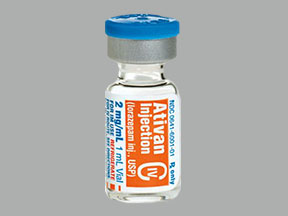 Ativan
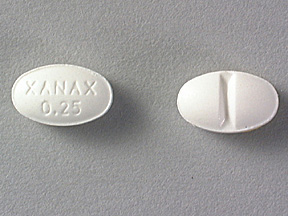 Xanax
XanaxComparison Table
| Feature | Ativan | Xanax |
| Active Ingredient | Lorazepam | Alprazolam |
| Duration Of Action | About 8 hours | 4–6 hours |
| Onset Of Effect | Up to 2 hours | About 30 minutes |
| Max Daily Otc Dose | Prescription only | Prescription only |
| Pediatric Use | Not specified | Not specified |
Price comparison
Comparing prices for Ativan (1 Vial 1ML of 2MG/ML) and Xanax (60 Tablets 0.25MG). For other forms and dosages please refer to Ativan and Xanax pages.
 CVS
CVS Walmart
 Walgreens
 Albertsons
Ativan savings card
Show this coupon to your pharmacistWalmart
$1.01
BIN
ID
PCN
GRP
019876
LH97EA9CF3
CHIPPO
LHX
Dosage guidelines
| Dosage | Ativan | Xanax |
| Adult Dosage | 2–6 mg/day, divided | 0.25–0.5 mg, 3x/day |
| First Dose | 1–2 mg | 0.25–0.5 mg |
| Maximum Daily Dose | Up to 10 mg/day | Dose varies; follow medical advice |
| Pediatric Dosing | Not routinely recommended | Not routinely recommended |
| Special Notes | Longer acting; preferred in older adults | Faster onset; higher withdrawal severity |
Side effects comparison
Both Ativan (lorazepam) and Xanax (alprazolam) are considered effective medications for managing anxiety, but they can both cause side effects that are important to understand. The side effects of these medications are generally similar because they belong to the same drug class, benzodiazepines, which work by affecting the central nervous system. However, some differences in how frequently or how strongly these effects are experienced may occur from person to person.
Common side effects for both Ativan and Xanax include:
Drowsiness or feeling sleepy
Dizziness or lightheadedness
Confusion or mental cloudiness
Changes in coordination, such as feeling weak or having poor balance
Slurred speech or difficulty speaking
Depression or changes in mood
Constipation
Changes in appetite or weight
Decreased sexual desire
Skin rash
These effects are usually mild, especially when the medication is used at the lowest effective dose for a short period. Many people find that some of these side effects lessen as their bodies get used to the medication. However, some people may experience more troublesome symptoms, such as persistent confusion, memory problems, or difficulty breathing. If you notice any of these serious symptoms, it is important to let your healthcare provider know immediately.
Older adults may be especially sensitive to the side effects of Ativan and Xanax. In people aged 65 or older, there is a higher risk of complications such as confusion, problems with memory or alertness, falls, and even car accidents. Medical professionals often prefer Ativan over Xanax in older adults because Ativan is less likely to accumulate in the body and is not as affected by changes in liver function as people age. Still, it is essential for anyone taking either medication—especially older adults—to use caution and to be monitored regularly.
Both Ativan and Xanax are only recommended for short-term use because of the risks that come with long-term treatment. Over time, people may develop tolerance, meaning they need a higher dose to get the same effect, and dependence, where the body relies on the drug to function normally. If these medications are stopped suddenly after regular use, withdrawal symptoms—such as anxiety, insomnia, and, in rare cases, seizures—can occur. This risk is one reason why these drugs should never be stopped abruptly; instead, a doctor can guide you through a gradual reduction if you no longer need them.
It’s also important to recognize that combining Ativan or Xanax with other substances that depress the nervous system, like alcohol or opioid pain medications, greatly increases the risk of severe side effects, including slowed or difficult breathing and potentially life-threatening overdose. Signs of overdose may include extreme drowsiness, slowed reactions, confusion, blurry vision, or trouble breathing. If any of these happen, seek emergency help immediately.
While Ativan and Xanax are useful for short-term anxiety relief, understanding and watching out for side effects—and discussing any concerns you have with your healthcare provider—can help minimize risks and ensure that the medication works as safely as possible for you.
Interactions comparison
Ativan and Xanax are two commonly prescribed medications that belong to a group of drugs known as benzodiazepines. They are most often used to help manage symptoms of anxiety, but there are important differences in the specific conditions they treat and how they are used.
Both drugs are approved for treating anxiety disorders, but each has its own areas where it may be preferred. Ativan, with the generic name Lorazepam, is typically used for short-term relief of anxiety that can arise from various causes. It can also be prescribed if anxiety occurs together with symptoms of depression. In medical settings, an injectable form of Ativan plays an important role in treating severe, ongoing seizures known as status epilepticus. This makes Ativan a versatile option that can be used both in mental health and urgent medical situations.
Xanax, also known by its generic name Alprazolam, is primarily approved for treating generalized anxiety disorder and panic disorder. Panic disorder involves recurring, unexpected episodes of intense fear that can be accompanied by physical symptoms like a racing heart or shortness of breath. Xanax is sometimes preferred in situations where fast relief is needed, as it starts working a little quicker than Ativan. It’s also approved to help those who have panic attacks that happen with or without a fear of certain places or situations (agoraphobia).
Beyond their approved uses, healthcare professionals might occasionally prescribe Ativan or Xanax for conditions outside the listed indications. This is known as “off-label” use. For example, Xanax has sometimes been used to treat symptoms like insomnia, muscle spasms, or discomfort from alcohol withdrawal, although it’s not officially approved for these uses. Ativan’s calming effects can also be helpful in managing agitation, nausea related to medical treatments, or anxiety before medical procedures.
Some of the main conditions treated by Ativan and Xanax include:
Short-term anxiety (both drugs)
Generalized anxiety disorder (especially Xanax)
Panic disorder and panic attacks (especially Xanax)
Anxiety linked with depression (Ativan)
Severe or ongoing seizures (Ativan injection only)
Anxiety before surgery or medical procedures (Ativan)
When deciding between Ativan and Xanax for anxiety, doctors weigh various factors including the type of anxiety a person experiences, how quickly relief is needed, whether the person has other health conditions, and a history of substance use or dependence. For example, if someone is older or has liver issues, Ativan may be safer to use because it is processed differently in the body and is less likely to build up and cause unwanted side effects. On the other hand, Xanax is more commonly prescribed when immediate relief from panic symptoms is the main concern.
It’s important to note that while both Ativan and Xanax can significantly help people manage anxiety-based illnesses in the short term, they are not recommended for long-term use. This is because both carry a risk of dependence, and using them for extended periods can actually make anxiety worse over time. If ongoing treatment is needed, other medications or non-medication therapies are usually considered first.
Ultimately, the choice of Ativan or Xanax—and for which conditions they are used—will depend on individual health needs, the specific symptoms being treated, and a careful discussion between the patient and their healthcare provider. Both drugs can be effective tools, but they should always be used with close medical supervision to minimize risks and ensure the best possible outcome.
When to choose each medication
- Longer duration of action needed (e.g., for sustained anxiety relief)
- Preferred in elderly patients (less risk of accumulation and sedation)
- Patients with liver impairment (metabolized by conjugation, not oxidation)
- Treatment of status epilepticus (seizure emergencies)
- History of substance use disorder (lower abuse potential compared to some alternatives)
- Rapid onset of action required (e.g., acute panic attacks)
- Panic disorder (FDA approved indication)
- Short-term, as-needed relief of severe anxiety symptoms
- Need for multiple dosage forms (e.g., orally disintegrating tablets, solution, injection)
- Generalized anxiety disorder (FDA approved indication)
Frequently Asked Questions
Does Ativan make you sleepy like Xanax?
Yes, Ativan (lorazepam) can cause drowsiness, similar to Xanax (alprazolam), as both are benzodiazepines. They are often prescribed for anxiety and can have sedative effects, potentially making the person feel sleepy. It is important to use them under medical guidance due to their potential side effects and risk of dependency.
Which makes you sleepier, Xanax or Ativan?
Xanax (alprazolam) and Ativan (lorazepam) are both benzodiazepines that can cause drowsiness as a side effect. The degree of sedation can vary between individuals. However, Xanax is generally considered to be more sedative than Ativan. It is important for individuals to consult with their healthcare provider for personalized advice and to determine the most suitable medication for their needs.
What is the least harmful benzodiazepine?
The safety profile of benzodiazepines can vary depending on individual factors such as medical history, dosage, and duration of use. Generally, benzodiazepines like lorazepam and oxazepam are considered to have a lower potential for harmful effects due to their shorter half-lives and less accumulation in the body. However, the best choice depends on the individual's specific circumstances and should be determined by a healthcare professional.
Why do doctors prefer Ativan over Xanax?
Doctors may prefer prescribing Ativan (lorazepam) over Xanax (alprazolam) in certain situations due to differences in their pharmacokinetics and clinical effects. Ativan has a longer half-life and provides more stable blood levels, which can lead to a steadier anxiolytic effect. It is also less likely to cause rebound anxiety when the medication wears off. Additionally, Ativan's sedative properties may be preferred in cases where sedation is desired or beneficial. However, the choice between these medications ultimately depends on the patient's specific condition, response to treatment, and individual medical history.
Why do hospitals use Ativan instead of Xanax?
Hospitals may prefer to use Ativan (lorazepam) over Xanax (alprazolam) due to a few reasons. Ativan has a quicker onset of action when administered intravenously, making it suitable for acute situations such as severe anxiety, agitation, or seizures. Additionally, Ativan's effects are generally more predictable, and it has a longer duration of action, which can be beneficial for managing symptoms over a longer period without frequent dosing. It also has a lower potential for drug interactions and a slightly lower risk of dependency compared to Xanax.
Is Ativan the best for anxiety?
Whether Ativan (lorazepam) is the best medication for anxiety depends on the individual's specific circumstances, including their medical history, the severity of the anxiety, and any other medications they may be taking. Ativan is a benzodiazepine, often used to treat anxiety in the short term due to its quick onset of action. However, it can cause dependence and other side effects, so it is not typically recommended for long-term use. Other medications, such as SSRIs or SNRIs, are often considered for long-term management of anxiety. It's important for individuals to consult their healthcare provider to determine the most appropriate treatment for their anxiety.
What is the most recommended drug for anxiety?
The choice of medication for anxiety can vary depending on the individual's specific condition and medical history. However, selective serotonin reuptake inhibitors (SSRIs) and serotonin-norepinephrine reuptake inhibitors (SNRIs) are commonly recommended first-line treatments for generalized anxiety disorder. Examples of these medications include sertraline, escitalopram, and venlafaxine. Benzodiazepines may also be used for short-term relief of acute anxiety symptoms. It is important for a healthcare provider to evaluate the individual to determine the most appropriate medication.
What is stronger, Xanax or Lorazepam?
In terms of potency, Lorazepam is generally considered to be stronger on a milligram-to-milligram basis compared to Xanax (Alprazolam). However, the effect can vary based on the individual's response. Both are benzodiazepines used for anxiety, but their specific effects and duration of action might differ. It is important for a healthcare provider to determine the appropriate medication and dosage for a patient's specific needs.
Why does Ativan work better for me than Xanax?
Individual responses to medication can vary based on factors such as metabolism, body chemistry, and specific symptoms. Ativan (lorazepam) and Xanax (alprazolam) are both benzodiazepines, but they differ in their onset of action, duration, and how they are metabolized. Ativan is often preferred for its longer duration of action and may be more effective for some in managing anxiety symptoms continuously. It's important to discuss with a healthcare provider to determine the best medication for individual needs.
Can Ativan cause seizures?
Ativan (lorazepam), when used appropriately, is not typically associated with causing seizures. However, if Ativan is used for an extended period and then abruptly discontinued, it can lead to withdrawal symptoms, including the risk of seizures. It is important for individuals to follow their healthcare provider's guidance when discontinuing Ativan to avoid withdrawal effects.
Which benzodiazepine is best for anxiety?
The choice of benzodiazepine for anxiety depends on various factors, including the specific symptoms, duration of treatment, and individual patient needs. Commonly prescribed benzodiazepines for anxiety include alprazolam (Xanax), lorazepam (Ativan), and diazepam (Valium). Each has different onset times and duration of effects. It is essential for a healthcare provider to evaluate these factors to determine the most appropriate medication for an individual.
Will Ativan calm me down?
Ativan (lorazepam) is a medication that is often used to help manage anxiety. It works by acting on the central nervous system to produce a calming effect, so it may help in reducing feelings of anxiety and promoting relaxation. However, it is important for individuals to use it under medical supervision, as it can have side effects and potential for dependence.
What is better than Ativan for anxiety?
The effectiveness of anxiety treatments can vary depending on an individual's specific situation, medical history, and personal response to medications. While Ativan (lorazepam) is a commonly prescribed medication for anxiety, other options may be considered if a different approach is needed. These alternatives might include:
SSRIs or SNRIs: Selective serotonin reuptake inhibitors (SSRIs) or serotonin-norepinephrine reuptake inhibitors (SNRIs) are often used as first-line treatments for chronic anxiety due to their efficacy and safety profile.
Buspirone: This is a non-benzodiazepine medication that can be effective for generalized anxiety disorder and has a lower risk of dependence.
Cognitive Behavioral Therapy (CBT): This is a form of psychotherapy that has been shown to be effective for anxiety disorders and might be recommended as part of a comprehensive treatment plan.
Lifestyle Modifications: Regular exercise, adequate sleep, and stress management techniques can also be beneficial in managing anxiety symptoms.
It's important for individuals to consult with a healthcare provider to determine the most appropriate treatment for their specific needs.
What is the safest anti-anxiety drug?
The safety of anti-anxiety medications depends on individual health profiles and specific conditions. Generally, SSRIs (Selective Serotonin Reuptake Inhibitors) are considered a first-line treatment for many anxiety disorders and are commonly regarded as safe for long-term use under medical supervision. However, it is important for a healthcare provider to evaluate each person's unique situation to determine the most appropriate and safe medication.
How much Ativan is equal to one Xanax?
The equivalent dosage between Ativan (lorazepam) and Xanax (alprazolam) can vary based on individual patient needs and responses. However, generally speaking, 0.5 mg of Xanax is approximately equivalent to 1 mg of Ativan. It's important to consult a healthcare professional for personalized advice and dosage adjustments.
References
- Highfocuscenters: What Are The Similarities and Differences of Ativan ...
- Verywellhealth: Ativan vs. Xanax: How Do They Compare?
- Alpaswellnesscenters: Ativan vs. Xanax: What's the Difference Between These ...
- Psyclarityhealth: Xanax vs Ativan in Treating Anxiety
- Therecoveryvillage: Ativan (Lorazepam) vs. Xanax (Alprazolam): Which Is Stronger?
- Recoveryfirst: Xanax vs. Ativan: Differences, Similarities, Treatment
- Medicalnewstoday: Ativan vs. Xanax: Similarities and differences