

Lexapro vs Zoloft: Compare Differences & Prices
Key Takeaways
- Zoloft is approved for a broader range of conditions than Lexapro, including obsessive-compulsive disorder, panic disorder, post-traumatic stress disorder, and social anxiety disorder, while Lexapro is mainly used for depression and generalized anxiety disorder.
- Both Lexapro and Zoloft are SSRIs with similar side effects such as nausea, sleep disturbances, and sexual dysfunction, but Lexapro may cause more drowsiness, while Zoloft may be more activating and cause more gastrointestinal upset.
- Neither medication should be stopped abruptly due to the risk of withdrawal symptoms; always consult your healthcare provider for a safe tapering plan.
- Both drugs carry a risk of increased suicidal thoughts in children, adolescents, and young adults, especially during the initial treatment period or when changing doses.
- The choice between Lexapro and Zoloft should be individualized based on your specific symptoms, side effect profile, other health conditions, and potential drug interactions; always consult your healthcare provider for guidance.
Key Similarities
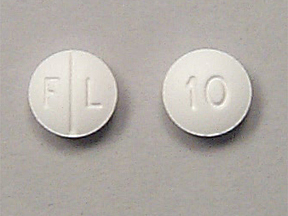 Lexapro
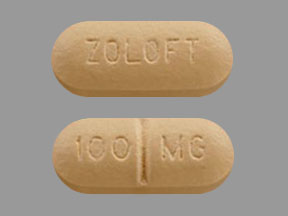 Zoloft
Comparison Table
| Feature | Lexapro | Zoloft |
| Active Ingredient | Escitalopram | Sertraline |
| Duration Of Action | 24 hours | 24 hours |
| Onset Of Effect | 4–6 weeks | 4–8 weeks |
| Max Daily Otc Dose | Prescription only | Prescription only |
| Pediatric Use | 12+ for depression; 7+ for anxiety | 6+ for OCD |
Price comparison
Comparing prices for Lexapro (30 Tablets 10MG) and Zoloft (30 Tablets 100MG). For other forms and dosages please refer to Lexapro and Zoloft pages.
 CVS
CVS Walmart
 Albertsons
 Walgreens
Lexapro savings card
Show this coupon to your pharmacistAlbertsons
$479.77
BIN
ID
PCN
GRP
019876
LHB0E51039
CHIPPO
LHX
Dosage guidelines
| Dosage | Lexapro | Zoloft |
| Adult Dosage | Lexapro: 10-20 mg once daily | Zoloft: 50-200 mg once daily |
| First Dose | Lexapro: 10 mg once daily | Zoloft: 50 mg once daily |
| Maximum Daily Dose | Lexapro: 20 mg per day | Zoloft: 200 mg per day |
| Pediatric Dosing | Lexapro: For depression in ages 12+ (start at 10 mg daily); for anxiety in ages 7+ (dosing per doctor guidance) | Zoloft: FDA-approved for OCD in children; dosing individualized by doctor |
| Special Notes | Lexapro may cause more drowsiness; approved for depression and some anxiety disorders in children and adults | Zoloft has broader approved uses (depression, several anxiety disorders, OCD); do not stop suddenly; always follow doctor’s instructions |
Side effects comparison
When it comes to side effects, both Lexapro (escitalopram) and Zoloft (sertraline) have many similarities because they belong to the same family of medications known as selective serotonin reuptake inhibitors (SSRIs). This means they generally act in similar ways within the body, but each can also have unique effects and may be better suited for different individuals based on how their bodies respond. Understanding these side effects can help you know what to expect and when to speak with your doctor about concerns.
Both medications share a range of common side effects. It’s important to know that while some people may experience several of these, others may have very few or none at all. The most frequent side effects for both Lexapro and Zoloft include:
Nausea
Sleepiness or fatigue
Dizziness
Sexual problems, such as decreased libido or difficulty reaching orgasm
Sweating
Dry mouth
Difficulty sleeping
Changes in appetite
Some differences can emerge in how these side effects present. For example, Lexapro is more likely to cause drowsiness or sedation, which might be helpful for those with anxiety-related insomnia but could be bothersome if you need to stay alert during the day. Zoloft is typically less sedating and may lead to more “activating” effects, which can cause restlessness in some people. Zoloft is also somewhat more likely to cause gastrointestinal side effects such as diarrhea or upset stomach, while Lexapro may lead to constipation or dry mouth.
Beyond these common reactions, there are some more serious side effects that require attention. Both Lexapro and Zoloft may increase the risk of suicidal thoughts and behaviors, especially in children, adolescents, and young adults. This is a key reason why you and your loved ones should stay alert for any changes in mood or behavior, especially in the early weeks of treatment or when adjusting the dose. Both medications may also cause serotonin syndrome, a rare but potentially life-threatening condition with symptoms such as agitation, high fever, fast heartbeat, and muscle stiffness. If you notice any of these signs, seek immediate medical help.
Other uncommon but serious side effects can include abnormal bleeding (especially if taken with blood thinners), seizures, severe allergic reactions, low sodium levels in the blood, and in rare cases, changes in heart rhythm. Lexapro, in particular, may rarely cause a heart issue known as QT prolongation, which leads to an irregular heartbeat.
Because everyone responds differently, the best way to manage side effects is to maintain open communication with your healthcare provider. They can help you decide whether a side effect is likely to fade as your body gets used to the medication, or if you need to try something else. If side effects interfere with your daily life, or if you have any concerns, do not stop taking your medication suddenly—always speak with your doctor, as stopping either Lexapro or Zoloft on your own can result in withdrawal symptoms such as dizziness, mood changes, anxiety, or flu-like feelings. Your healthcare provider will usually suggest gradually reducing the dose to help avoid these effects.
Interactions comparison
When considering treatments for mental health conditions, Lexapro (Escitalopram) and Zoloft (Sertraline) are both widely used medications from the group called selective serotonin reuptake inhibitors, or SSRIs. Both medicines are primarily prescribed to help with mood disorders like depression and various forms of anxiety, but there are important differences in the specific conditions they are approved to treat by the Food and Drug Administration (FDA), as well as how doctors might use them in other situations.
Lexapro is officially approved by the FDA to treat major depressive disorder and generalized anxiety disorder. For depression, Lexapro can be prescribed to adults and adolescents ages 12 and older, and for generalized anxiety disorder, it may be given to children as young as 7 years old. While these are the main uses for Lexapro, doctors sometimes prescribe it for other conditions based on evidence and clinical judgment, even though these uses are not specifically approved by the FDA. These off-label uses can include social anxiety disorder, panic disorder, obsessive-compulsive disorder (OCD), post-traumatic stress disorder (PTSD), premenstrual dysphoric disorder (PMDD), as well as managing certain symptoms related to menopause.
Zoloft, on the other hand, has a broader set of FDA-approved uses. It is approved to treat major depressive disorder in adults, as well as several anxiety and related disorders in adults, including OCD, panic disorder, PTSD, social anxiety disorder, and PMDD. A key difference to note, especially for parents of younger patients, is that Zoloft is only FDA-approved to treat OCD in children and adolescents who are at least 6 years old. It is not approved by the FDA for treating depression in people under 18, though doctors may sometimes use it in this way off-label if they believe it would be helpful for a particular patient.
Here is a summary of FDA-approved uses for each medication:
Lexapro is FDA-approved for:
Major depressive disorder (for adults and adolescents 12 and older)
Generalized anxiety disorder (for adults and children 7 and older)
Zoloft is FDA-approved for:
Major depressive disorder (adults only)
Obsessive-compulsive disorder (adults, and children/adolescents 6 and older)
Panic disorder, PTSD, social anxiety disorder, and PMDD (adults only)
Doctors may also use both Lexapro and Zoloft off-label for other conditions when they believe it is appropriate. For Lexapro, these off-label uses can include other types of anxiety disorders, OCD, panic disorder, PTSD, and PMDD. For Zoloft, common off-label uses might include binge eating disorder, bulimia nervosa, certain sexual health conditions, and in some cases, generalized anxiety disorder.
The choice between Lexapro and Zoloft often depends on your individual symptoms, specific diagnosis, age, and other unique health factors. Lexapro is usually preferred when treatment is needed for generalized anxiety disorder, especially in children or adolescents, due to its approval status and dosing range. Zoloft may be favored if you are dealing with not just depression but also OCD, PTSD, panic disorder, or social anxiety disorder, particularly if more than one of these conditions is present.
It’s always important to have a conversation with your doctor about your symptoms, medical history, and personal goals. They can help you determine which medication, if any, is likely to be most helpful for your situation—and make sure that the treatment plan addresses all of the conditions you’re experiencing, whether it’s depression, anxiety, or other mental health challenges.
When to choose each medication
- Primary depression or generalized anxiety disorder
- Fewer sedating effects needed
- Preference for a lower starting dose
- Adolescent depression (ages 12+)
- Fewer drug interactions
- Obsessive-compulsive disorder (OCD), panic disorder, or PTSD
- Social anxiety disorder
- Multiple mental health conditions present
- Less risk of daytime drowsiness
- Broader range of FDA-approved uses
Frequently Asked Questions
What mental illness is Lexapro used for?
Lexapro is primarily used to treat major depressive disorder and generalized anxiety disorder.
Why does Lexapro feel so good?
Lexapro (escitalopram) can make some individuals feel better because it is an SSRI (selective serotonin reuptake inhibitor) that helps increase serotonin levels in the brain. For those with depression or anxiety, higher serotonin levels can improve mood, reduce anxiety, and enhance overall well-being. However, the effects can vary from person to person, and it is important for individuals to follow their healthcare provider's guidance and report any unusual feelings or side effects.
Why is Lexapro called the Happy Pill?
Lexapro is sometimes informally referred to as the "Happy Pill" because it is an antidepressant medication used to treat depression and anxiety disorders. By increasing the levels of serotonin in the brain, it can help improve mood and promote a sense of well-being, which may lead some to associate it with happiness.
Why do people switch from Zoloft to Lexapro?
People may switch from Zoloft to Lexapro for various reasons, including experiencing side effects with Zoloft, seeking better symptom control, or following a doctor's recommendation based on individual response to medication. Both medications are SSRIs, but they might affect individuals differently, so a switch could optimize treatment outcomes.
Is Lexapro better for anxiety than Zoloft?
The effectiveness of Lexapro (escitalopram) versus Zoloft (sertraline) for treating anxiety can vary depending on the individual. Both medications are selective serotonin reuptake inhibitors (SSRIs) and are commonly prescribed to treat anxiety disorders. Some individuals may respond better to Lexapro, while others may find Zoloft more effective. It is important for a healthcare provider to assess the individual's specific symptoms, medical history, and potential side effects to determine which medication might be more suitable. Both medications have been shown to be effective, and the choice often depends on personal response and tolerance.
Which has worse side effects, Zoloft or Lexapro?
The side effects of Zoloft (sertraline) and Lexapro (escitalopram) can vary from person to person. Both medications are commonly associated with side effects such as nausea, insomnia, dizziness, and sexual dysfunction. However, some studies suggest that Lexapro may have a slightly better side effect profile, with fewer reports of certain adverse effects compared to Zoloft. It is important for a healthcare provider to evaluate the individual's medical history and specific needs to determine which medication is more suitable.
Is it safe to switch from Zoloft to Lexapro?
Switching from Zoloft (sertraline) to Lexapro (escitalopram) should be done under the guidance of a healthcare professional. Both medications are selective serotonin reuptake inhibitors (SSRIs) and are used to treat similar conditions. A doctor will consider the patient's specific circumstances and may recommend a tapering schedule for Zoloft before starting Lexapro to minimize potential withdrawal symptoms or side effects. It's important to follow the doctor's instructions carefully during the transition.
Is Lexapro energizing or sedating?
Lexapro, also known as escitalopram, is generally considered to be a neutral medication in terms of its energizing or sedating effects. However, responses can vary among individuals. Some people might experience increased energy and alertness, while others may feel sedated or drowsy. It is important for individuals to monitor their own reactions to the medication and discuss any concerns with their healthcare provider.
Will Lexapro cause diarrhea?
Yes, diarrhea can be a side effect of Lexapro, although not everyone experiences it. If diarrhea persists or becomes severe, it is advisable to consult a healthcare provider.
Is it better to take Zoloft or Lexapro?
The choice between Zoloft (sertraline) and Lexapro (escitalopram) depends on the individual's specific health condition, response to medication, and potential side effects. Both are selective serotonin reuptake inhibitors (SSRIs) used to treat depression and anxiety disorders. A healthcare provider can assess the individual's medical history, symptoms, and any other medications being taken to determine the most appropriate option. It is important to have a discussion with a healthcare professional to make an informed decision.
Can Lexapro cause eye swelling?
Yes, Lexapro (escitalopram) can cause eye swelling as a rare side effect. If someone experiences this symptom, they should contact their healthcare provider promptly.
What is the downside of Zoloft?
Zoloft, known generically as sertraline, can have several side effects. Common downsides include nausea, insomnia, dizziness, dry mouth, increased sweating, and diarrhea. Some people might experience sexual dysfunction, such as decreased libido or difficulty achieving orgasm. In some cases, it can cause or worsen symptoms of anxiety or depression initially. It's important for individuals to discuss any side effects with their healthcare provider, as adjustments in dosage or medication might be necessary.
How quickly do Zoloft or Lexapro work?
Zoloft (sertraline) and Lexapro (escitalopram) are both selective serotonin reuptake inhibitors (SSRIs) used to treat depression and anxiety. Typically, it may take about 1 to 2 weeks for some initial improvement in symptoms to be noticed. However, it often takes 4 to 6 weeks, or even longer, for the full therapeutic effects to be experienced. It's important for individuals to continue taking the medication as prescribed and consult with their healthcare provider regarding any concerns or side effects.
Can Lexapro cause heart palpitations?
Yes, Lexapro (escitalopram) can cause heart palpitations as a potential side effect. If someone experiences this symptom, it's important for them to consult their healthcare provider to evaluate the cause and determine the appropriate course of action.
What is the #1 side effect of Lexapro?
The most common side effect of Lexapro (escitalopram) is nausea. Many patients may experience this, especially when starting treatment or adjusting the dosage.
Can Lexapro cause knee pain?
While Lexapro (escitalopram) is an antidepressant primarily associated with side effects such as nausea, dizziness, and insomnia, joint pain, including knee pain, is not commonly reported. However, if someone experiences unusual joint pain while taking Lexapro, it is important to discuss these symptoms with a healthcare provider to rule out any potential underlying conditions or medication-related issues.
References
- Healthline: Lexapro vs. Zoloft: What's the Difference?
- Talkiatry: Lexapro vs Zoloft: A Psychiatrist Breaks Down the Difference
- Denovorecovery: Lexapro vs. Zoloft: Similarities and Differences
- Verywellhealth: Lexapro vs. Zoloft: How They Differ
- NIH: A comparative review of escitalopram, paroxetine, and ...
- Charliehealth: Lexapro vs Zoloft: Similarities and Differences
- Networkhealth: Zoloft vs Lexapro vs Wellbutrin and Other Antidepressants
- Psychplus: Zoloft vs Lexapro: Key Differences, Side Effects & Uses