

Methylprednisolone vs Prednisone: Compare Differences & Prices
Key Takeaways
- Methylprednisolone is more potent than prednisone; 4 mg of methylprednisolone is approximately equivalent to 5 mg of prednisone.
- Methylprednisolone is available in both oral and injectable forms, while prednisone is only available as an oral medication.
- Both drugs are corticosteroids used to treat inflammatory and autoimmune conditions, but the choice may depend on the severity of the condition, route of administration needed, and patient-specific factors.
- Side effects for both medications are similar and include increased risk of infection, mood changes, weight gain, and bone loss. Both should be tapered gradually after prolonged use to avoid withdrawal symptoms.
Key Similarities
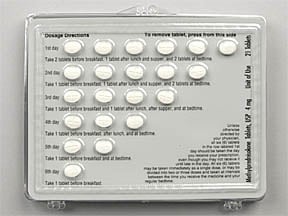 Methylprednisolone
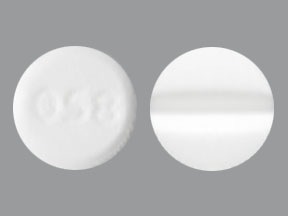 Prednisone
Comparison Table
| Feature | Methylprednisolone | Prednisone |
| Active Ingredient | Methylprednisolone | Prednisone |
| Duration Of Action | 18–36 hours | 18–36 hours |
| Onset Of Effect | 1–2 hours (oral) | 1–2 hours (oral) |
| Max Daily Otc Dose | Prescription only | Prescription only |
| Pediatric Use | Not usually preferred | Liquid form for children |
Price comparison
Comparing prices for Methylprednisolone (21 Tablet Therapy Packs 4MG) and Prednisone (1 Tablet Therapy Pack 5MG (21)). For other forms and dosages please refer to Methylprednisolone and Prednisone pages.
 CVS
CVS Walmart
 Albertsons
 Walgreens
Methylprednisolone savings card
Show this coupon to your pharmacistWalmart
$5.32
BIN
ID
PCN
GRP
019876
LH7152E993
CHIPPO
LHX
Dosage guidelines
| Dosage | Methylprednisolone | Prednisone |
| Adult Dosage | 4-48 mg per day orally in divided doses or as a single dose, adjusted by doctor | 5-60 mg per day orally in single or divided doses, adjusted by doctor |
| First Dose | Typical initial dose 4-24 mg orally or by injection, depending on condition | Typical initial dose 5-60 mg orally, depending on condition |
| Maximum Daily Dose | No absolute maximum; use lowest effective dose for shortest duration | No absolute maximum; use lowest effective dose for shortest duration |
| Pediatric Dosing | Rarely used orally; 0.5-1.7 mg/kg/day IV/IM in divided doses if needed | 0.05-2 mg/kg/day orally in 1-4 divided doses; liquid form available |
| Special Notes | More potent than prednisone (4 mg ≈ 5 mg prednisone); available as injection for rapid effect | Preferred in children due to liquid form; must taper if used >2 weeks |
Side effects comparison
Both methylprednisolone and prednisone are powerful corticosteroids, and they share many of the same side effects because they work in similar ways in the body. These medications are highly effective at treating inflammation, but they also come with a risk of a variety of side effects that can affect people differently. The side effects may vary in intensity depending on the dose, duration of treatment, and individual factors like age or existing health conditions.
In the short term, people taking either methylprednisolone or prednisone might experience side effects such as headaches, dizziness, stomach upset, nausea, and increased appetite. Sleep disturbances, such as insomnia or trouble falling and staying asleep, are also common. Many patients notice mood changes—including agitation or irritability—and may feel emotional or “on edge.” Some people report acne, facial flushing, and increased sweating. Short courses of these medications, especially when tapered gradually as directed by a healthcare provider, are less likely to result in severe side effects, but even short-term use can cause these bothersome symptoms.
With longer or higher-dose use, additional—and sometimes more serious—side effects can develop. Both medications can lead to:
Fluid retention and swelling, resulting in puffiness (particularly in the face and ankles)
Weight gain, which is often due to increased appetite and fluid buildup
High blood pressure (hypertension)
Thinning of the skin and delayed wound healing
Muscle weakness
High blood sugar, which may worsen or trigger diabetes
Weakening of bones (osteoporosis), raising the risk of fractures
Increased risk of infections, as both drugs suppress the immune system
Eye problems, such as cataracts and glaucoma, can develop with extended use. Menstrual changes, irregular heartbeat, and changes in sexual desire may also occur. Both drugs can sometimes cause psychological side effects, including mood swings and, rarely, more severe symptoms such as depression or even loss of touch with reality (psychosis). Methylprednisolone may sometimes be preferred for people with a history of mental health conditions, as prednisone has occasionally been linked to a higher risk of certain psychiatric effects.
Both medications require careful monitoring if used over several weeks or longer. Stopping these drugs suddenly after long-term use can cause withdrawal symptoms, such as fatigue, nausea, and muscle pain, due to suppression of the body’s natural steroid production. To avoid these withdrawal symptoms, your doctor will recommend tapering the dose slowly rather than stopping abruptly.
It is also important to consider drug interactions. Taking methylprednisolone or prednisone at the same time as nonsteroidal anti-inflammatory drugs (NSAIDs) like ibuprofen or aspirin increases the risk of stomach irritation and ulcers. Both drugs can interact with blood thinners (such as warfarin), diabetes medications, and certain antifungal or antiviral drugs. Grapefruit juice can increase levels of methylprednisolone in the body, potentially increasing side effects. Herbal supplements, such as St. John’s wort, and licorice, can also interact with these medications and should be discussed with your healthcare provider.
Because of these potential side effects and risks, it’s important for people taking either methylprednisolone or prednisone to have regular follow-up with their healthcare provider, report any new or worsening symptoms immediately, and never adjust or stop these medications on their own. Your healthcare provider will work with you to find the lowest effective dose and the shortest treatment duration necessary to manage your condition, while minimizing unwanted effects.
If you have concerns about how you feel while taking either of these medications, or if you notice symptoms such as unexplained bruising, vision changes, persistent muscle weakness, severe mood changes, or signs of infection (like fever or sore throat), it is essential to seek medical advice right away. Regular monitoring and clear communication with your healthcare provider will go a long way toward helping you stay as healthy and comfortable as possible while benefitting from the anti-inflammatory effects of these medications.
Interactions comparison
Methylprednisolone and Prednisone are both corticosteroids, a type of medication often used to manage a wide variety of inflammatory and autoimmune conditions. Because they work by reducing inflammation and suppressing the immune system, doctors may prescribe them in situations where other treatments, such as nonsteroidal anti-inflammatory drugs (NSAIDs), are not effective or when rapid control of symptoms is needed. Although they have much in common, there are some differences in the range of conditions they are chosen to treat, mostly because of their forms and how quickly they act in the body.
Both medications are frequently used for many of the same health problems, including:
Autoimmune diseases such as rheumatoid arthritis and systemic lupus erythematosus (SLE)
Some types of arthritis and joint inflammation, including osteoarthritis and ankylosing spondylitis
Severe skin disorders like eczema and severe psoriasis
Allergic reactions, including asthma flares and severe allergic responses
Multiple sclerosis (often for treating acute relapses)
Digestive system inflammations like colitis
Endocrine or thyroid conditions
While either medication may be prescribed for any of these conditions, the choice of drug can depend on the severity and urgency of the symptoms, as well as practical factors such as how the drug is given. Prednisone is typically taken as an oral tablet or liquid and is often used for cases where a patient needs ongoing, short-term anti-inflammatory treatment that can be managed at home. The availability of prednisone as a liquid makes it more practical for children or for adults who have trouble swallowing pills.
Methylprednisolone can also be taken by mouth as a tablet, but it has an important advantage: it also comes as an injectable medication. Doctors may use injectable methylprednisolone in the hospital when very rapid treatment is needed, such as during severe asthma episodes, multiple sclerosis attacks, or allergic reactions that could threaten a patient's well-being. Methylprednisolone can also be directly injected into a joint to quickly reduce swelling and pain associated with arthritis or joint injuries. This versatility allows doctors to act quickly and deliver higher doses where needed most, and sometimes to target treatment exactly where the inflammation is located.
When considering which medication is most appropriate, doctors also weigh the strength of each drug. Methylprednisolone is slightly more potent than prednisone, so a lower dose is often needed to achieve the same effect. This might influence the drug chosen, particularly if someone experiences gastrointestinal problems that make absorbing medication difficult, since an injection of methylprednisolone might work better in these circumstances.
In practice, the decision of which corticosteroid to use rests on several key factors:
The specific condition being treated and how quickly symptom control is needed
Whether a person can take oral medications or requires an injection
Age considerations, such as preferring liquid prednisone for children
The need for local treatment, such as direct joint injection with methylprednisolone
Medical history, including past reactions to corticosteroids or other health issues
Both methylprednisolone and prednisone are recommended for short-term use whenever possible, as extended courses increase the risk of serious side effects and complications. Whichever drug is used, close supervision by a healthcare provider is essential to manage dosages, watch for side effects, and ensure that the medication is withdrawn gradually to avoid withdrawal symptoms or other problems. Choosing between methylprednisolone and prednisone is about matching the right drug, dose, and method of delivery to the unique needs of each patient and their underlying condition.
When to choose each medication
- When a stronger anti-inflammatory effect is needed
- When rapid relief is required (e.g., via injection or IV)
- For joint injections or intravenous therapy
- When oral absorption is impaired or not possible
- For ease of oral administration
- When a liquid formulation is needed (e.g., for children)
- When a gradual tapering dose pack is preferred
- For routine oral dosing in chronic conditions
- When cost and availability are important considerations
Frequently Asked Questions
What is the best way to take methylprednisolone?
Methylprednisolone should be taken exactly as prescribed by a healthcare provider. It is typically taken orally with food or milk to prevent stomach upset. If prescribed in a dose pack, it should be taken as directed on the package, usually starting with a higher dose that tapers down over several days. It is important to take it at the same time each day and not to abruptly stop taking it without consulting a healthcare provider.
What are the rules for methylprednisolone doses?
Methylprednisolone dosing depends on the specific condition being treated, the patient's response, and other individual factors such as age and weight. Generally, the dosing can vary widely:
Acute Conditions: Higher doses may be used initially for conditions such as severe allergic reactions or asthma exacerbations. A typical course might involve an initial high dose followed by a tapering schedule.
Chronic Conditions: Lower doses might be used for long-term management of conditions like rheumatoid arthritis or lupus.
Administration: Methylprednisolone can be administered orally, via injection, or intravenously, and the route often influences the dosage.
Tapering: If the medication is used for more than a short period, tapering the dose gradually is often necessary to avoid withdrawal symptoms or adrenal insufficiency.
It's crucial for the prescribing healthcare provider to determine the appropriate dose and regimen based on the specific clinical scenario.
Does prednisone make you go to the bathroom a lot?
Prednisone can cause increased urination in some individuals. This is because it can lead to fluid retention and electrolyte imbalances, which may increase the need to urinate more frequently. If this side effect becomes bothersome, it is advisable to consult with a healthcare provider.
Should you drink a lot of water with prednisone?
Yes, it is advisable to drink plenty of water while taking prednisone. Staying well-hydrated can help manage some of the potential side effects of prednisone, such as fluid retention, and promote overall health.
What are the most common side effects of prednisone?
The most common side effects of prednisone include increased appetite, weight gain, insomnia, mood changes such as irritability or anxiety, and increased blood pressure. Other frequent side effects can include fluid retention, swelling, headaches, and increased blood sugar levels. Long-term use may lead to additional effects such as osteoporosis, eye problems, and increased risk of infections. It's important for patients to discuss any concerns or side effects with their healthcare provider.
Can steroids affect your bowels?
Yes, steroids can affect the bowels. They may cause gastrointestinal side effects such as increased appetite, indigestion, stomach irritation, and in some cases, can lead to more serious issues like ulcers or gastrointestinal bleeding. It is important for individuals taking steroids to report any significant changes in bowel habits or any gastrointestinal discomfort to their healthcare provider.
What is the strongest steroid for inflammation?
The strength of a steroid for inflammation can depend on the specific condition being treated and the route of administration. However, in general, systemic corticosteroids like dexamethasone and prednisone are considered strong anti-inflammatory agents. For topical use, clobetasol propionate is often considered one of the strongest corticosteroids for reducing inflammation. It's important for patients to consult with a healthcare provider to determine the most appropriate treatment for their specific condition.
Does prednisone cause diarrhea?
Yes, prednisone can cause diarrhea as a side effect. It is important for individuals experiencing this symptom to discuss it with their healthcare provider, as they may need to adjust the dosage or consider alternative treatments.
Is methylprednisolone stronger than prednisone?
Methylprednisolone is generally considered to be more potent than prednisone. When comparing equivalent doses, 4 mg of methylprednisolone is roughly equivalent to 5 mg of prednisone. However, the specific choice of corticosteroid and dosing will depend on the medical condition being treated and the individual patient's response. It is important for patients to follow their healthcare provider's guidance regarding medication use.
What to avoid while taking methylprednisolone?
While taking methylprednisolone, it is important to avoid the following:
Alcohol: Limit or avoid alcohol consumption as it can increase the risk of stomach ulcers and gastrointestinal bleeding.
Grapefruit and Grapefruit Juice: Avoid these as they can interfere with the metabolism of the medication, potentially increasing side effects.
Live Vaccines: Avoid receiving live vaccines, as methylprednisolone can weaken the immune system, making vaccines less effective.
Infections: Try to avoid exposure to infections, particularly chickenpox or measles, as the immune suppression effects of the drug can make infections more severe.
NSAIDs: Be cautious with non-steroidal anti-inflammatory drugs (NSAIDs) like ibuprofen, as they can increase the risk of gastrointestinal issues.
Always consult with a healthcare provider for personalized advice and before making any changes to diet or medication while taking methylprednisolone.
Can methylprednisolone cause seizures?
Methylprednisolone is not commonly associated with seizures as a side effect. However, if a patient experiences unusual neurological symptoms such as seizures while taking methylprednisolone, it is important to contact a healthcare provider promptly for further evaluation and guidance.
What is methylprednisolone used for in cats?
Methylprednisolone is used in cats to manage inflammation and suppress the immune system. It is commonly prescribed for conditions like allergies, asthma, and autoimmune diseases. It may also be used to treat certain skin disorders or as part of therapy for feline inflammatory bowel disease. As with any medication, it should be used under the guidance of a veterinarian.
Do I take all 6 pills of methylprednisolone at once?
The dosing schedule for methylprednisolone can vary depending on the specific instructions given by the healthcare provider. Often, the initial dose for a 6-day pack, such as a Medrol Dosepak, is taken all at once on the first day, typically consisting of 6 tablets. However, it is important to follow the specific instructions provided on the prescription label or as directed by the healthcare provider. If there is any uncertainty, consulting with a pharmacist or healthcare provider is recommended to ensure the medication is taken correctly.
Can methylprednisolone cause coughing?
Yes, methylprednisolone can cause coughing as a side effect, although it is not very common. If someone experiences persistent or severe coughing while taking methylprednisolone, it is advisable to contact a healthcare professional for further evaluation.
Can methylprednisolone cause bruising?
Yes, methylprednisolone can cause bruising as a side effect. It is a corticosteroid, and steroids can affect the skin and blood vessels, sometimes leading to increased bruising. If someone experiences significant bruising while taking methylprednisolone, it is advisable to consult with a healthcare provider.
Why do doctors prescribe methylprednisolone?
Doctors prescribe methylprednisolone to reduce inflammation in various conditions. It is commonly used to treat allergies, arthritis, lupus, multiple sclerosis, and certain skin, eye, and respiratory disorders. It can also help in managing autoimmune diseases and is sometimes used in treating certain types of cancer.
Can I take all 6 methylprednisolone at once at night?
It is important to follow the specific dosing instructions provided by a healthcare provider or the prescription label. Typically, a methylprednisolone dose pack is designed to be taken in a specific sequence over several days, often starting with a higher dose that tapers down. Taking all 6 tablets at once is not recommended unless explicitly directed by a healthcare professional. If there are any doubts or confusion about how to take the medication, it is advisable to consult a healthcare provider or pharmacist for clarification.
References
- Medicalnewstoday: Methylprednisolone vs. prednisone: What's the difference?
- Gbchealth: Methylprednisolone vs Prednisone: What's the Real ...
- Mycrohnsandcolitisteam: Methylprednisolone vs. Prednisone for IBD: 6 Differences
- Healthline: Methylprednisolone vs. Prednisone: What's the Difference?
- NIH: A comparison of the effects of prednisolone and ...