

Naproxen vs Ibuprofen: Compare Differences & Prices
Key Takeaways
- Naproxen and ibuprofen are both NSAIDs used to relieve pain and inflammation, but naproxen has a longer duration of action and is usually taken less frequently than ibuprofen.
- Ibuprofen is often preferred for short-term pain relief and is commonly used in children, while naproxen may be better suited for chronic conditions due to its longer-lasting effects.
- Naproxen may have a higher risk of causing gastrointestinal side effects, such as stomach ulcers or bleeding, especially with long-term use, compared to ibuprofen.
- Both drugs can increase the risk of heart and kidney problems, but naproxen may have a slightly lower risk of heart-related side effects for some individuals.
- People with heart disease, kidney problems, or those taking blood thinners should consult a healthcare provider before using either medication.
Key Similarities
 Naproxen
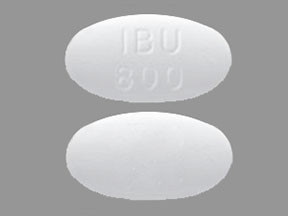 Ibuprofen
Comparison Table
| Feature | Naproxen | Ibuprofen |
| Active Ingredient | Naproxen | Ibuprofen |
| Duration Of Action | Long acting, twice daily | Short acting, 4–6 hours |
| Onset Of Effect | Slower onset | Faster onset |
| Max Daily Otc Dose | Not specified | Not specified |
| Pediatric Use | Use under doctor guidance | Most appropriate for children |
Price comparison
Comparing prices for Naproxen (60 Tablets 500MG) and Ibuprofen (30 Tablets 800MG). For other forms and dosages please refer to Naproxen and Ibuprofen pages.
 CVS
CVS Walmart
 Albertsons
 Walgreens
Naproxen savings card
Show this coupon to your pharmacistWalmart
$6.55
BIN
ID
PCN
GRP
019876
LH8D0EF024
CHIPPO
LHX
Dosage guidelines
| Dosage | Naproxen | Ibuprofen |
| Adult Dosage | OTC: 220 mg q8–12h; Rx: 500 mg q12h | 200–400 mg q4–6h |
| First Dose | OTC: 440 mg | 200–400 mg |
| Maximum Daily Dose | OTC: 660 mg; Rx: 1,375 mg | OTC: 1,200 mg; Rx: 3,200 mg |
| Pediatric Dosing | Not recommended under 12 yrs | 6 months+: 200 mg q6–8h |
| Special Notes | Long acting; more GI risk | Short acting; preferred in kids |
Side effects comparison
When comparing the side effects of naproxen and ibuprofen, it’s important to remember that both medications belong to the same class of drugs called nonsteroidal anti-inflammatory drugs, or NSAIDs. This means they share many potential side effects, especially as they work similarly in the body to reduce pain and inflammation. However, there are also key differences when it comes to how likely they are to cause certain problems, especially in the digestive system, heart, and kidneys.
Both naproxen and ibuprofen commonly cause mild side effects such as:
Upset stomach or nausea
Heartburn
Dizziness
Headache
Fluid buildup or swelling
More serious but less common side effects can also occur with both medications. These include an increased risk of bleeding (especially in the stomach and intestines), higher blood pressure, kidney problems, and heart complications. NSAIDs, including both naproxen and ibuprofen, should always be taken at the lowest effective dose and for the shortest possible time to help lower these risks.
When looking specifically at the risk of stomach problems, such as ulcers and bleeding, naproxen stands out as being more likely than ibuprofen to cause gastrointestinal side effects. This is mainly because naproxen stays in the body longer. The longer a drug remains active, the greater the chance it can irritate the stomach lining or cause a bleed, particularly if it is used for more than a few days or in higher doses. If you have a history of stomach ulcers or bleeding, or if you are prone to digestive issues, ibuprofen may be a safer option — but it’s important to talk with your healthcare provider to confirm what’s right for you. In some cases, doctors might also recommend a separate medication, such as a proton pump inhibitor, to help protect your stomach if NSAIDs need to be used long-term. Still, no NSAID is entirely risk-free for the stomach. Warning signs of serious stomach side effects include black stools, vomiting blood, severe stomach pain, or feeling faint.
Another difference lies in the risk each drug poses to the heart and blood vessels. All NSAIDs except aspirin can slightly raise the risk of heart attack or stroke, although the overall chance of this happening in people with no previous heart problems is low, especially if the medication is only used for a short time. Some research suggests that naproxen may be less likely than higher doses of ibuprofen to cause heart problems, particularly in those with pre-existing heart disease. However, higher doses of ibuprofen or using it for longer than recommended can increase heart risks. For anyone with heart issues, or risk factors for heart disease and stroke, it is especially important to discuss pain relief options with a healthcare provider before using either medication.
Both naproxen and ibuprofen can also affect kidney function, though serious kidney problems are unlikely when these drugs are used occasionally and as directed. The risk increases for people over 65, those with existing kidney or liver issues, and anyone who takes other medications that stress the kidneys or reduce blood flow, such as diuretics. Some evidence suggests ibuprofen may be a little less likely to cause kidney problems than naproxen, but caution is advised with both, especially in people who are at higher risk.
It is also important to avoid taking naproxen and ibuprofen together, as combining two NSAIDs increases the risk of all potential side effects, particularly bleeding and kidney problems. People who take blood thinners or who have a history of bleeding problems should avoid all NSAIDs unless a doctor specifically recommends one. In summary, while naproxen and ibuprofen are both effective over-the-counter pain relievers with similar side effect profiles, naproxen may be more likely to cause stomach issues, while higher doses of ibuprofen carry more heart risk. Both medications can affect the kidneys and interact with other drugs. Always speak with your healthcare provider or pharmacist about which pain reliever is best suited to your needs and medical history, especially if you have other health concerns or are taking other medications.
Interactions comparison
Naproxen and Ibuprofen are two popular options for managing pain and inflammation, and both are part of a group of medications known as nonsteroidal anti-inflammatory drugs (NSAIDs). While they share similarities in how they work, there are important differences in how each is used to treat various conditions, how quickly they start working, and how long their effects last.
Both naproxen and ibuprofen are commonly used to treat a wide range of conditions involving pain or inflammation. These include muscle aches, joint pain from arthritis, headaches, dental pain, menstrual cramps, and backaches. Additionally, both medications can help reduce fever. For people experiencing short-term pain from an injury, ibuprofen or naproxen can provide effective relief. If pain is caused by inflammation—such as from a sprained ankle, tendonitis, or chronic conditions like osteoarthritis or rheumatoid arthritis—NSAIDs like naproxen and ibuprofen can help lessen swelling as well as pain.
Though these medications treat many of the same issues, there are differences in how each is typically used. Ibuprofen is considered fast-acting and tends to provide quick relief, making it a good choice for sudden, short-term pain such as headaches, dental pain, or muscle strains. It starts working within about 30 minutes and is generally taken every 4 to 6 hours due to its shorter duration in the body. For this reason, ibuprofen is often recommended as the preferred NSAID for children, since there is more data supporting its safety in young people and it is available in liquid and chewable forms that are easier for children to take.
Naproxen, by contrast, has a longer duration of action. It takes a little longer to start working—usually within 30 to 60 minutes—but its effects last for up to 12 hours. As a result, naproxen is often better suited for chronic or long-lasting pain conditions that require more consistent management, such as ongoing arthritis pain, persistent muscle aches, or menstrual cramps that last all day. Since it only needs to be taken twice a day, naproxen may be more convenient for people who need round-the-clock pain control.
Here’s a summary of how naproxen and ibuprofen are used for various conditions:
Headaches and migraines: Both ibuprofen and naproxen are effective, and they can both be used alongside other migraine medications in some cases.
Fever: Either medication helps lower fever, but ibuprofen is more commonly recommended for children.
Muscle aches, backaches, and strains: Both offer pain relief, but ibuprofen’s quicker onset may be preferable for acute discomfort from a recent injury.
Arthritis and chronic joint pain: Naproxen’s longer-lasting effects can make it a better choice for ongoing pain and inflammation due to arthritis.
Menstrual pain: Both are effective, but naproxen may be favored when sustained relief is necessary.
Dental pain and minor injuries: Ibuprofen often provides quick, short-term relief for toothaches or minor sprains.
Children: Ibuprofen is typically preferred due to more studies in young people and the availability of child-friendly formulations.
It is important to note that the choice between naproxen and ibuprofen may also depend on individual health factors and personal preferences, such as how frequently you want to take medication, your risk for stomach or heart issues, and whether you need consistent relief or just occasional pain management. For any long-term pain or if you have underlying medical conditions, it is always best to consult with a healthcare professional to determine which option is most suitable and safe for your specific needs. Neither medication should be taken for extended periods unless recommended and monitored by a doctor. Avoid taking both at the same time, as this increases the risk of harmful side effects without providing extra pain relief.
When to choose each medication
- Chronic pain or inflammation (e.g., arthritis, musculoskeletal conditions)
- Need for longer-lasting pain relief
- Preference to avoid acetaminophen due to liver concerns
- Migraine treatment
- Lower cardiovascular risk profile
- Fever reduction, especially in children (with appropriate dosing)
- Short-term or mild pain (e.g., headache, minor aches)
- History of stomach ulcers or gastrointestinal issues
- Need to avoid NSAIDs due to kidney or bleeding risk
- Pregnancy (acetaminophen is generally considered safer than NSAIDs)
Frequently Asked Questions
Can anti-inflammatories cause stomach problems?
Yes, anti-inflammatory medications, particularly nonsteroidal anti-inflammatory drugs (NSAIDs), can cause stomach problems. These may include stomach pain, ulcers, bleeding, and gastritis. It is advisable to take these medications with food and consult with a healthcare professional if there are concerns about gastrointestinal side effects.
What is the strongest most effective anti-inflammatory?
The effectiveness of anti-inflammatory medications can vary based on the individual's condition and response to treatment. Nonsteroidal anti-inflammatory drugs (NSAIDs) like ibuprofen and naproxen are commonly used and effective for many people. For more severe inflammation, prescription-strength NSAIDs, corticosteroids, or biologic agents may be considered. It is important for individuals to consult with a healthcare provider to determine the most appropriate and effective treatment for their specific situation.
Can I take 2 naproxen 500mg at the same time?
Taking two naproxen 500 mg tablets at the same time is not typically recommended. The usual dosage for naproxen is 500 mg to 1000 mg per day, divided into two doses. Exceeding this dosage can increase the risk of side effects such as gastrointestinal bleeding or kidney issues. It is important to follow the prescribing doctor's instructions or consult with a healthcare professional before adjusting any medication dosage.
What medicine is good for swelling in children?
For swelling in children, a common recommendation is an over-the-counter nonsteroidal anti-inflammatory drug (NSAID) such as ibuprofen. It helps reduce swelling and relieve pain. However, it's important to consult a healthcare provider to determine the appropriate dosage and ensure it's suitable for the child's specific condition.
Is naproxen a very strong painkiller?
Naproxen is considered a nonsteroidal anti-inflammatory drug (NSAID) and is commonly used to relieve pain, reduce inflammation, and lower fever. While it is effective for treating mild to moderate pain, it is not typically classified as a "very strong" painkiller compared to opioid medications. Naproxen is often used for conditions like arthritis, menstrual pain, and headaches.
What is the strongest pain reliever for toothache?
The strongest over-the-counter pain relievers for toothache typically include ibuprofen (Advil, Motrin) and acetaminophen (Tylenol). These medications can help reduce inflammation and alleviate pain. However, if the pain is severe and persistent, it is advisable to consult a dentist for a proper diagnosis and treatment plan, which may include prescription medications or other interventions.
Can diclofenac be taken with blood thinners?
Diclofenac should be used with caution when taken with blood thinners, as it may increase the risk of bleeding. It is important for the individual to consult their healthcare provider before combining these medications to ensure it is safe based on their specific health condition and medication regimen.
Is naproxen stronger than ibuprofen?
Naproxen and ibuprofen are both nonsteroidal anti-inflammatory drugs (NSAIDs), and their effectiveness can vary depending on the condition being treated and the individual. Generally, naproxen has a longer duration of action, which means it may require less frequent dosing compared to ibuprofen. However, strength can be subjective, and the best choice depends on the specific needs and medical advice for the individual. It is important to follow a healthcare professional's guidance regarding dosage and choice of medication.
Is naproxen good for dental pain?
Naproxen can be effective for managing dental pain. It is a nonsteroidal anti-inflammatory drug (NSAID) that helps reduce inflammation and relieve pain. However, it is important to use it as directed and consult a healthcare professional to ensure it is appropriate for the specific situation.
Can I use naproxen for tooth pain?
Yes, naproxen can be used to help relieve tooth pain, as it is a nonsteroidal anti-inflammatory drug (NSAID) that reduces inflammation and pain. However, it is important to follow the recommended dosage instructions on the packaging or as advised by a healthcare professional. If the tooth pain persists, it is advisable to consult a dentist to address the underlying cause of the pain.
What is the main advantage of naproxen over ibuprofen?
The main advantage of naproxen over ibuprofen is its longer duration of action. Naproxen typically requires less frequent dosing, which can be more convenient for individuals needing consistent pain relief throughout the day.
Why do doctors prescribe naproxen instead of ibuprofen?
Doctors may prescribe naproxen instead of ibuprofen for several reasons. Naproxen has a longer duration of action, which means it can be taken less frequently, typically every 8-12 hours, compared to ibuprofen, which is usually taken every 4-6 hours. This can be beneficial for patients who prefer fewer doses throughout the day. Additionally, some patients may respond better to one medication over the other due to individual differences in efficacy or tolerance. Both medications are nonsteroidal anti-inflammatory drugs (NSAIDs) and are used to relieve pain and inflammation, but the choice between them may depend on the specific needs and medical history of the patient.
How long does naproxen take to kick in for a toothache?
Naproxen typically begins to provide pain relief within 30 minutes to 1 hour after oral administration. For a toothache, it may take up to a couple of hours to feel the full effects. It is important to follow dosing instructions as provided by a healthcare professional or the label.
What is the strongest anti-inflammatory you can take?
The strongest anti-inflammatory medications generally belong to a class known as corticosteroids, with drugs like prednisone being commonly prescribed for severe inflammation. Nonsteroidal anti-inflammatory drugs (NSAIDs) such as indomethacin or diclofenac are also potent options for reducing inflammation. However, the choice of medication and its strength should be determined by a healthcare provider based on individual medical needs and conditions.
Can I take naproxen if pregnant?
It is generally advised that pregnant individuals avoid taking naproxen, especially during the third trimester, as it can cause complications for both the mother and the developing fetus. It is important to consult a healthcare provider for guidance on safe pain management options during pregnancy.
Can you take naproxen with hydrocodone?
Yes, naproxen can generally be taken with hydrocodone. Naproxen is a nonsteroidal anti-inflammatory drug (NSAID), while hydrocodone is an opioid pain reliever. They work through different mechanisms, so they can be used together for enhanced pain relief. However, it is important to follow the prescribing healthcare provider's guidance regarding dosage and timing to ensure safety and effectiveness. Always consult a healthcare professional before combining medications.
What is naproxen used for in dentistry?
Naproxen is often used in dentistry for its anti-inflammatory and analgesic properties. It helps alleviate pain and reduce inflammation associated with dental procedures, such as tooth extractions, or conditions like temporomandibular joint disorders (TMJ) and dental abscesses.
Can naproxen cause swollen lips?
Naproxen can potentially cause swollen lips as it may trigger an allergic reaction in some individuals. If someone experiences swelling of the lips while taking naproxen, it is important to seek medical attention promptly, as this could be a sign of an allergic reaction.
References
- Bluecrossvt: Difference in Over-the-Counter Pain Relievers
- Bonnergeneral: Ibuprofen vs. naproxen, the battle of the analgesics
- PubMed: A study of naproxen and ibuprofen in patients with ...
- Verywellhealth: Naproxen vs. Ibuprofen: Which One Should You Take?
- Cleveland Clinic: NSAIDs (Nonsteroidal Anti-Inflammatory Drugs): Uses
- Hss Edu: What's the Difference Between Tylenol, Advil and Aleve?
- Healthline: Ibuprofen vs. Naproxen: What to Know About Each