

Ritalin vs Adderall: Compare Differences & Prices
Key Takeaways
- Ritalin and Adderall are both stimulant medications used to treat ADHD, but Ritalin contains methylphenidate while Adderall contains amphetamine salts, leading to differences in how individuals may respond to each drug.
- Ritalin generally has a quicker onset of action (20–60 minutes) and a shorter duration (3–5 hours for immediate-release, up to 8 hours for extended-release) compared to Adderall, which starts working in 30–60 minutes and lasts 4–8 hours (immediate-release) or up to 12 hours (extended-release).
- Both medications share similar side effects, such as decreased appetite, insomnia, increased heart rate, and mood changes, but some side effects (like changes in sex drive) may be more common with Adderall.
- Ritalin and Adderall are controlled substances with a high potential for misuse and dependence, requiring a prescription and regular medical monitoring.
- Choosing between Ritalin and Adderall is often individualized, as some people respond better to one than the other, making close collaboration with a healthcare provider important for optimal treatment.
Key Similarities
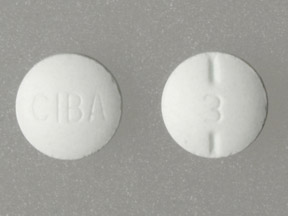 Ritalin
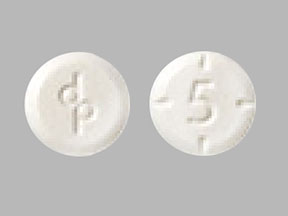 Adderall
Comparison Table
| Feature | Ritalin | Adderall |
| Active Ingredient | Methylphenidate | Amphetamine salts |
| Duration Of Action | 3–5 hrs (IR), 7–8 hrs (ER) | 4–8 hrs (IR), 8–12 hrs (XR) |
| Onset Of Effect | 20–60 minutes | 30–60 minutes |
| Max Daily Otc Dose | Prescription only | Prescription only |
| Pediatric Use | Approved for children 6+ | Approved for children 6+ |
Price comparison
Comparing prices for Ritalin (60 Tablets 10MG) and Adderall (30 Tablets 5MG). For other forms and dosages please refer to Ritalin and Adderall pages.
 CVS
CVS Walgreens
 Albertsons
 Walmart
Ritalin savings card
Show this coupon to your pharmacistWalgreens
$65.96
BIN
ID
PCN
GRP
019876
LH753FBD6A
CHIPPO
LHX
Dosage guidelines
| Dosage | Ritalin | Adderall |
| Adult Dosage | Tablets: 5, 10, 20 mg | Tablets: 5, 7.5 mg |
| First Dose | Not specified | Not specified |
| Maximum Daily Dose | Not specified | Not specified |
| Pediatric Dosing | 10 or 17.5 mg (study) | 7.5 or 12.5 mg (study) |
| Special Notes | Short and long-acting forms | Short and long-acting forms |
Side effects comparison
When considering the side effects of Adderall and Ritalin in the treatment of attention deficit hyperactivity disorder, it’s important to understand that both medications are stimulants and share many similar risks and possible unwanted effects. However, their chemical makeup causes some subtle differences in how people may experience these effects. Both medications can be highly effective, but tolerability and individual response often guide which option may be best for a given person.
Common side effects found in both Adderall and Ritalin include:
Loss of appetite or decreased appetite
Insomnia or difficulty sleeping
Headaches
Increased heart rate and raised blood pressure
Stomach upset, nausea, or belly pain
Irritability, anxiety, or nervousness
Dizziness
Weight loss
Restlessness or “jitters”
Mood swings
Skin rash or hives
Tics or tremors
Trouble with bowel movements (either diarrhea or constipation)
Because these drugs work by increasing activity in the central nervous system, they can cause overstimulation in some individuals and may contribute to feelings of agitation or anxiety. Both medications also carry warnings about more serious potential risks such as heart problems (like fast or irregular heartbeat), increased blood pressure, mental health concerns (such as new or worsening anxiety or mood changes), seizures, and circulation problems that can affect the fingers and toes. Children and adults taking either medication should be monitored closely by their healthcare provider for any concerning symptoms.
There are a few unique or more pronounced side effects associated with each drug. For example, men taking Adderall might experience changes in sex drive, difficulty with erections, or more frequent erections than usual. Hair loss and a rare but serious muscle breakdown condition called rhabdomyolysis have also been associated with Adderall use in some cases. On the other hand, Ritalin can sometimes cause a “rebound effect” as it wears off, where symptoms of hyperactivity or mood swings return more strongly for a short while before settling. Both medications can rarely cause blurred vision or more pronounced tics in some users.
Both drugs are classified as having a high potential for misuse or psychological dependence, which means there is a risk of becoming reliant on the effects of these medications if not used as prescribed. Abuse risk may be somewhat lower with extended- or long-acting forms, because these result in slower, steadier drug levels in the bloodstream. Nonetheless, it is essential to use either medicine only as directed by a healthcare professional and talk openly if there are concerns about craving the medication or if there is a personal or family history of substance abuse.
The overall side effect profile for Adderall and Ritalin is considered similar, and most people find any side effects to be manageable, especially when monitored carefully and adjusted as needed by their doctor. It is not uncommon for someone to need to try more than one stimulant medication, or to need dose changes, in order to find the option with the best balance of positive results and tolerable side effects. Routine follow-up and reporting any new or worrisome symptoms to your doctor is key, whether you are taking Ritalin, Adderall, or another treatment for ADHD. This careful approach helps to ensure safety and optimize symptom control over time.
Interactions comparison
Ritalin (Methylphenidate) and Adderall (amphetamine salts) are both stimulant medications prescribed mainly for managing attention deficit hyperactivity disorder (ADHD). While their primary use is the same, there are some differences in how and for whom they may be most helpful, depending on age, symptom profile, and individual health needs.
Both Ritalin and Adderall are considered first-line treatments for ADHD in children, adolescents, and adults. They help by increasing the levels of certain brain chemicals that are important for focus, attention, and impulse control. These medications do not cure ADHD but can provide significant improvements in daily functioning, academic performance, and social interactions by reducing symptoms such as inattentiveness, restlessness, and impulsivity.
The main conditions treated with Ritalin and Adderall include:
Attention deficit hyperactivity disorder (ADHD): Both medications are approved for reducing core symptoms of ADHD such as distractibility, forgetfulness, trouble following instructions, fidgeting, and acting without thinking.
Attention deficit disorder (ADD): While ADD is no longer a separate diagnosis and has been folded into the broader category of ADHD, people who mainly struggle with inattention but are not hyperactive may still benefit from these medicines.
Though these medications are primarily used to treat ADHD, some differences exist in their suitability for specific patient groups and situations:
Children and Teenagers: Ritalin and Adderall are both commonly prescribed for children over the age of six who have been diagnosed with ADHD. The choice between the two may be influenced by how quickly the medication needs to work, how long the effect should last, and how well the individual tolerates any side effects. Ritalin generally has a quicker onset but shorter duration (3-5 hours for immediate-release), making it easier to tailor to specific parts of the school day. Adderall’s extended forms can last longer, covering more of the day without the need for additional doses at school, which can be helpful for all-day symptom management.
Adults: Adults with ADHD can also be treated with either Ritalin or Adderall. The decision often depends on lifestyle needs, history of side effects, and personal preference. Adult patients may benefit from the longer-lasting versions of either medication, as these can better support workplace and family responsibilities that require consistent focus throughout the day.
Co-existing Conditions: Some individuals with ADHD also experience other challenges such as anxiety, sleep problems, or tics. The way Ritalin and Adderall interact with these conditions may affect the best choice of medication. For example, both drugs can sometimes increase anxiety or disrupt sleep. People with a history of heart issues, high blood pressure, or certain mental health concerns should discuss these with their doctor, as both medications carry warnings about cardiovascular and psychiatric risks.
Other Uses: Occasionally, stimulant medications like Ritalin or Adderall may be considered for other conditions such as narcolepsy (a sleep disorder causing excessive sleepiness). However, for these uses, specific products or dosages approved by a doctor are essential, and treatment remains less common compared to their primary role in ADHD management.
Ultimately, deciding between Ritalin and Adderall for the treatment of ADHD or related attention problems involves considering the individual’s symptoms, routine, age, and response to the medication. There’s no universal best choice: the most suitable medicine is the one that effectively reduces symptoms with the fewest side effects for each person. Regular check-ins with a healthcare provider are important to ensure the selected medication continues to meet the individual’s needs safely and effectively.
When to choose each medication
- Fast onset of action is desired
- Short-term or flexible dosing is needed
- Trial starter for children or new patients
- Concern about long-lasting side effects
- Patient prefers a medication that wears off by evening
- Longer duration of symptom control is needed
- Fewer daily doses are preferred
- Patient needs coverage into late afternoon or evening
- Other stimulants have not been effective
- Patient tolerates amphetamines better than methylphenidate
Frequently Asked Questions
What does Ritalin make you feel like?
Ritalin, which contains the active ingredient methylphenidate, is a stimulant medication often prescribed to treat attention deficit hyperactivity disorder (ADHD). It may help increase attention and decrease impulsiveness and hyperactivity in individuals with ADHD. Some people report feeling more focused, alert, or calm when taking Ritalin. However, the effects can vary, and some individuals might experience side effects such as nervousness, insomnia, or changes in appetite. It's important for individuals to discuss their specific experiences and any side effects with their healthcare provider.
Is Ritalin more euphoric than Adderall?
Ritalin and Adderall can produce different effects depending on the individual's response to each medication. Both medications are stimulants used to treat ADHD, but they contain different active ingredients. Some individuals might experience more euphoria with one medication over the other, but this can vary greatly from person to person. It's important to use these medications as prescribed by a healthcare provider to minimize the risk of misuse and potential side effects.
Which ADHD med is the strongest?
The strength of ADHD medication can vary based on individual response, dosage, and specific formulations. Stimulant medications like amphetamine-based (e.g., Adderall) and methylphenidate-based (e.g., Ritalin, Concerta) are often considered among the most effective. However, the "strongest" medication depends on personal health factors and should be determined by a healthcare professional. It is important for individuals to work with their healthcare provider to find the most effective medication and dosage for their specific needs.
Why switch from Adderall to Ritalin?
A healthcare provider might recommend switching from Adderall to Ritalin for several reasons. These can include experiencing undesirable side effects, inadequate symptom control, or individual response and tolerance to medication. Each person may react differently to stimulant medications, and it sometimes requires trying different options to find the most effective treatment with the fewest side effects. It is important to make such changes under the supervision of a healthcare professional.
Do Ritalin and Adderall feel different?
Yes, Ritalin and Adderall can feel different to individuals. While both medications are stimulants used to treat ADHD, they contain different active ingredients—Ritalin contains methylphenidate, and Adderall contains a combination of amphetamine salts. These differences can lead to variations in how they affect mood, concentration, and energy levels. Individual responses can vary, and what feels different for one person may not be the same for another. It's important to follow a healthcare provider's guidance when using these medications.
Does Ritalin give you energy like Adderall?
Ritalin and Adderall both contain stimulant medications that can increase alertness and concentration, which some individuals might interpret as an increase in energy. However, the effects can vary between individuals. It's important for patients to follow their healthcare provider's guidance when using these medications, as they are intended to treat conditions like ADHD and not to be used for energy enhancement.
What is more powerful than Adderall?
The effectiveness and potency of medications like Adderall can vary depending on the individual's condition and response to treatment. Other stimulant medications, such as Vyvanse (lisdexamfetamine) or Desoxyn (methamphetamine), may be considered for their potency in certain cases, but it ultimately depends on the clinical judgment of a healthcare provider. Non-stimulant options are also available for managing ADHD, such as Strattera (atomoxetine) or certain antidepressants. It is essential for a healthcare provider to assess and determine the most appropriate treatment for an individual.
Which is stronger Adderall or Ritalin?
The strength of Adderall compared to Ritalin varies depending on the individual's unique response to each medication. Both are stimulants used to treat ADHD but differ in their chemical composition and mechanism of action. Adderall contains amphetamine salts, while Ritalin contains methylphenidate. The effectiveness and potency can vary based on personal factors, such as metabolism and specific symptoms. A healthcare provider should be consulted to determine the most appropriate medication and dosage for an individual's needs.
What is the downside of Ritalin?
Ritalin, or methylphenidate, can have several potential downsides or side effects. Common side effects may include insomnia, decreased appetite, weight loss, increased heart rate, and anxiety. Some individuals may experience more serious side effects, such as increased blood pressure, mood swings, or potential for dependency if misused. Long-term use should be monitored by a healthcare professional to manage any adverse effects and ensure safe usage.
Why do doctors prescribe Ritalin over Adderall?
Doctors may prescribe Ritalin over Adderall for several reasons, including individual patient response, side effect profiles, duration of action, and potential for misuse. Ritalin generally has a shorter duration of action, which might be preferable for certain patients. Additionally, some patients may respond better to methylphenidate (Ritalin's active ingredient) than to amphetamine salts (Adderall's active ingredient). The choice between the two depends on the patient's specific needs, health history, and how they metabolize the medication.
What feels better, Ritalin or Adderall?
The effects of Ritalin and Adderall can vary significantly from person to person, as they are both stimulant medications used to treat ADHD but have different active ingredients. Ritalin contains methylphenidate, while Adderall contains a combination of amphetamine salts. Some individuals may find one more effective or tolerable than the other, depending on their unique physiology and the specific symptoms being treated. It is important for individuals to consult with a healthcare professional to determine which medication is more suitable for their needs, as the perception of "feeling better" is subjective and can be influenced by various factors.
Does Ritalin feel like Adderall?
The experience of taking Ritalin compared to Adderall can vary depending on the individual, as both medications are central nervous system stimulants used to treat ADHD. However, they contain different active ingredients—Ritalin contains methylphenidate, while Adderall contains mixed amphetamine salts. Some people may experience similar effects, such as increased focus and energy, but the duration, intensity, and side effects can differ. It's important for individuals to consult with a healthcare provider to determine which medication is most suitable for their specific needs.
Is 10 mg of Adderall the same as 10 mg of Ritalin?
10 mg of Adderall is not the same as 10 mg of Ritalin. Although both medications are used to treat ADHD, they contain different active ingredients and work differently in the body. Adderall is a combination of amphetamine salts, while Ritalin contains methylphenidate. The effectiveness and side effects can vary between individuals, so a healthcare provider should determine the appropriate medication and dosage.
Does Ritalin give you a lot of energy?
Ritalin, which contains the active ingredient methylphenidate, is a central nervous system stimulant. It is used primarily to treat attention deficit hyperactivity disorder (ADHD) and narcolepsy. While it may increase alertness and focus, it does not necessarily lead to an increase in energy like a typical stimulant. The effects can vary from person to person, and it is important to use it only as prescribed by a healthcare professional.
References
- PubMed: A comparison of ritalin and adderall: efficacy and time-course ...
- Audhdpsychiatry Co Uk: Vyvanse vs Adderall vs Ritalin | ADHD Medication ...
- Ashleytreatment: Differences of Ritalin vs Adderall
- Cleveland Clinic: Ritalin vs. Adderall: Comparing Common ADHD Medications
- Additudemag: Ritalin Vs. Adderall: An ADHD Medication Comparison
- Healthline: What's the Difference Between Ritalin and Adderall?