

Zepbound vs Mounjaro: Compare Differences & Prices
Key Takeaways
- Zepbound and Mounjaro both contain tirzepatide and are administered as weekly injections, but Zepbound is approved for weight management and sleep apnea, while Mounjaro is approved for type 2 diabetes.
- Both drugs have shown similar effectiveness for weight loss, with clinical trials reporting up to 20.9% body weight reduction at the highest dose.
- Side effects for both medications are similar and include nausea, vomiting, diarrhea, constipation, and potential risks like pancreatitis and thyroid tumors. They should not be used together.
- Insurance coverage varies: Mounjaro is more likely to be covered for diabetes, while Zepbound's coverage for weight loss or sleep apnea is less consistent. Out-of-pocket costs can be high, but savings programs may be available.
Key Similarities
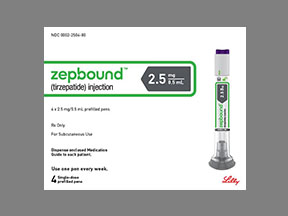 Zepbound
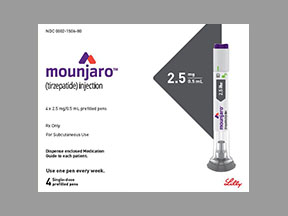 Mounjaro
Comparison Table
| Feature | Zepbound | Mounjaro |
| Active Ingredient | Tirzepatide | Tirzepatide |
| Duration Of Action | 1 week per dose | 1 week per dose |
| Onset Of Effect | 2-4 weeks (appetite) | 2-4 weeks (appetite) |
| Max Daily Otc Dose | Not OTC; 15 mg weekly | Not OTC; 15 mg weekly |
| Pediatric Use | Not approved for children | Not approved for children |
Price comparison
Comparing prices for Zepbound (4 Pens 0.5ML of 2.5MG/0.5ML) and Mounjaro (4 Pens 0.5ML of 2.5MG/0.5ML). For other forms and dosages please refer to Zepbound and Mounjaro pages.
 CVS
CVS Albertsons
 Walmart
 Walgreens
Zepbound savings card
Show this coupon to your pharmacistAlbertsons
$1,069.46
BIN
ID
PCN
GRP
019876
LH36CAE3D5
CHIPPO
LHX
Dosage guidelines
| Dosage | Zepbound | Mounjaro |
| Adult Dosage | 2.5–15 mg once weekly | 2.5–15 mg once weekly |
| First Dose | 2.5 mg weekly | 2.5 mg weekly |
| Maximum Daily Dose | 15 mg weekly | 15 mg weekly |
| Pediatric Dosing | Not approved for children | Not approved for children |
| Special Notes | Approved for weight, OSA | Approved for diabetes |
Side effects comparison
When comparing Zepbound and Mounjaro, it’s important to know that both medications contain the same active ingredient, tirzepatide, so their side effects are largely similar. Since they work in the same way in the body, what you experience with one is likely to occur with the other. However, whether you are taking Zepbound or Mounjaro may depend on why your doctor prescribed the medication—weight management or diabetes—and your personal health history.
Most side effects from tirzepatide are related to its action on digestion and appetite hormones. These effects are more common when starting the medicine, especially as your dose increases. Many people notice that side effects become milder or fade away as their body gets used to the medication. The most frequent side effects include:
Nausea (up to about 1 in 5 people)
Diarrhea
Vomiting
Constipation
Stomach pain
Decreased appetite
Heartburn and gas
Managing these digestive side effects can make it much easier to stick with your treatment. Healthcare professionals often recommend a few strategies: begin with small, frequent meals, avoid greasy or fatty foods, and drink plenty of fluids. Taking your injection with food can also help reduce nausea. If you develop more severe symptoms, like ongoing vomiting or the inability to keep fluids down, you should contact your healthcare provider. Sometimes, anti-nausea medication may be suggested if symptoms are particularly troublesome.
Although uncommon, both Zepbound and Mounjaro can cause more serious side effects. These include the risk of low blood sugar (especially if taken with insulin or other diabetes medications), inflammation of the pancreas (pancreatitis), sudden kidney problems, gallbladder issues, and worsening of certain eye problems related to diabetes. There are also rare risks of thyroid tumors. Because of this, neither medication is recommended for people who have a personal or family history of certain thyroid cancers (specifically medullary thyroid carcinoma) or conditions like multiple endocrine neoplasia type 2. If you notice new symptoms such as a lump in your neck, hoarseness, trouble swallowing, or persistent severe stomach pain, it’s important to seek medical attention right away.
There are also some drug interactions to be aware of, since tirzepatide slows how quickly food moves through the stomach. This could affect how well you absorb other medications, such as birth control pills, warfarin, or digoxin. Always let your healthcare provider know about all the medicines you take so they can help you avoid potential problems.
Even though the chance of severe side effects is low, regular follow-up appointments and blood tests are recommended while using Zepbound or Mounjaro. These checkups help your doctor monitor your response to the medication and catch any problems early. By working closely with your healthcare team and following recommended tips for managing common side effects, most people find they can successfully continue treatment with either Zepbound or Mounjaro and experience their health benefits. If you ever have questions or concerns about side effects, your medical team is the best source of information and support.
Interactions comparison
When choosing between Zepbound and Mounjaro, the specific health conditions each drug is approved to treat make an important difference. While these medications share the same active ingredient, tirzepatide, and even have similar dosing schedules, their approved uses—and the health needs they address—set them apart.
Mounjaro is specifically approved by the FDA for the treatment of type 2 diabetes in adults. It is designed to help people manage their blood sugar levels, which is crucial for preventing complications related to diabetes, such as heart disease, nerve problems, and vision loss. For those with type 2 diabetes, Mounjaro is intended to be used alongside a healthy diet and regular exercise. Studies have shown that tirzepatide can lead to significant improvements in blood sugar control, with many patients reaching target A1C levels and experiencing reduced fasting blood glucose.
On the other hand, Zepbound is FDA-approved for chronic weight management and for reducing symptoms of obstructive sleep apnea (OSA) in adults with obesity. It is not approved specifically for the direct treatment of diabetes. Zepbound can be prescribed for adults either with a body mass index (BMI) of 30 or higher, or with a BMI of 27 or higher if they also have at least one weight-related health condition—such as high blood pressure, cholesterol issues, or sleep apnea. When used for weight management, Zepbound should be combined with a reduced-calorie diet and increased physical activity. For patients with moderate to severe OSA who also have obesity, Zepbound offers a new treatment option that has shown promise in clinical studies by addressing both weight and OSA symptoms.
Although both medications lead to substantial weight loss—clinical trials have shown average losses of up to about 20% of initial body weight—insurance companies tend to view them differently based on their approvals. Mounjaro is usually covered for people who have a diagnosis of type 2 diabetes, while Zepbound’s coverage may be more challenging and often depends on proof of medical necessity for weight loss or sleep apnea treatment. It is also important to note that having type 2 diabetes does not automatically make someone eligible for Zepbound; coverage will depend on your doctor’s prescribed use and insurance requirements.
To sum up, the choice between Zepbound and Mounjaro depends primarily on your medical condition:
Mounjaro is for adults with type 2 diabetes who need better blood sugar control, with the added benefit of supporting weight loss.
Zepbound is for adults dealing with obesity or overweight, who may or may not also have related health issues like sleep apnea, and who do not have diabetes as the main treatment focus.
Neither medication should be used together, since they have the same active ingredient. The correct medication for you will depend on your individual health needs, and your healthcare provider can guide you through this decision.
Discussing your diagnosis and treatment goals with your healthcare provider will ensure you receive the most appropriate therapy for your specific situation. Insurance coverage, potential side effects, and personal health history are all important factors in determining which medication is best suited to your needs.
When to choose each medication
- For weight management in adults with obesity or overweight and related comorbidities
- When the primary goal is weight loss rather than glycemic control
- If the patient does not have type 2 diabetes but needs weight reduction
- When insurance covers anti-obesity medications but not diabetes medications
- If the patient has obstructive sleep apnea related to obesity
- For adults with type 2 diabetes to improve glycemic control
- When the primary goal is blood sugar management
- If insurance covers diabetes medications but not weight loss medications
- When the patient needs a GLP-1/GIP agonist specifically for diabetes
- If the patient is already on other diabetes medications and needs additional glycemic control
Frequently Asked Questions
What are the results of Zepbound for 3 months?
Zepbound, also known as setmelanotide, is a medication used for certain genetic obesity disorders. After three months of treatment, patients may experience significant weight loss, improved hunger control, and metabolic benefits if they have specific genetic mutations that respond to the medication. Results can vary based on individual differences and the specific condition being treated. It is essential for patients to follow up with their healthcare provider to monitor progress and adjust treatment as necessary.
Which is cheaper, Mounjaro or Zepbound?
Cost can vary based on several factors, including location, insurance coverage, and pharmacy pricing. Generally, it is advisable for individuals to consult with their local pharmacy or healthcare provider to compare the current prices of Mounjaro and Zepbound in their area. Additionally, checking if there are any patient assistance programs or discounts available for either medication could be beneficial in determining the more cost-effective option.
Is Mounjaro exactly the same as Zepbound?
Mounjaro and Zepbound are not exactly the same. They are different medications, and while they may have similar uses or mechanisms, they are distinct products with potentially different indications, formulations, or active ingredients. It is important to consult a healthcare provider for specific details regarding their uses and differences.
Can you switch from one GLP 1 to another?
Switching from one GLP-1 receptor agonist to another is possible and may be appropriate depending on the patient's response, tolerance, or preferences. However, any change in medication should be done under the guidance of a healthcare provider, who can consider factors such as dosing schedules, potential side effects, and the individual's specific health needs.
What is the generic for Zepbound?
The generic name for Zepbound is semaglutide.
Can you switch from Mounjaro to Zepbound?
Switching from Mounjaro to Zepbound is a decision that should be made by a healthcare provider. The provider will consider factors such as the reason for the switch, the patient's medical history, current health condition, and potential interactions or contraindications. It's important for the patient to discuss this with their healthcare professional to ensure it's safe and appropriate for their specific situation.
References
- Preventionclinics: Mounjaro, Zepbound, and Tirzepatide: Understanding the ...
- Myorthrive: Zepbound vs. Mounjaro: A Comparison for Weight ...
- Forhers: Zepbound vs. Mounjaro: What's the Difference?