

Zepbound vs Ozempic: Compare Differences & Prices
Key Takeaways
- Zepbound is FDA-approved for weight management, while Ozempic is FDA-approved for type 2 diabetes and is sometimes used off-label for weight loss.
- Zepbound targets two hormones (GIP and GLP-1) to help control appetite and blood sugar, whereas Ozempic targets only GLP-1. This dual action may lead to greater average weight loss with Zepbound in clinical studies.
- Both drugs are administered as once-weekly injections and share similar side effects, such as nausea, vomiting, and digestive discomfort, especially when starting or increasing the dose.
- Neither medication is recommended for people with a personal or family history of certain thyroid cancers, multiple endocrine neoplasia syndrome type 2, pancreatitis, or for those who are pregnant or breastfeeding.
- The choice between Zepbound and Ozempic should be based on individual health needs, weight loss goals, insurance coverage, and a healthcare provider’s guidance.
Key Similarities
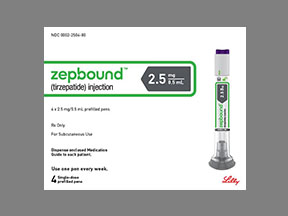 Zepbound
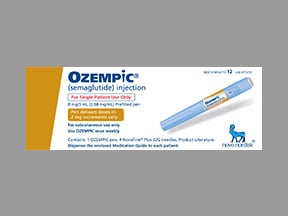 Ozempic
Comparison Table
| Feature | Zepbound | Ozempic |
| Active Ingredient | Tirzepatide | Semaglutide |
| Duration Of Action | 1 week per injection | 1 week per injection |
| Onset Of Effect | Several weeks | Several weeks |
| Max Daily Otc Dose | Prescription only | Prescription only |
| Pediatric Use | Adults only | Ages 12+ (Wegovy) |
Price comparison
Comparing prices for Zepbound (4 Pens 0.5ML of 2.5MG/0.5ML) and Ozempic (1 Pen 3ML of 8MG/3ML). For other forms and dosages please refer to Zepbound and Ozempic pages.
 CVS
CVS Albertsons
 Walgreens
 Walmart
Zepbound savings card
Show this coupon to your pharmacistAlbertsons
$1,069.46
BIN
ID
PCN
GRP
019876
LH78E18B4E
CHIPPO
LHX
Dosage guidelines
| Dosage | Zepbound | Ozempic |
| Adult Dosage | 2.5–15 mg weekly | 0.25–2 mg weekly |
| First Dose | 2.5 mg weekly | 0.25 mg weekly |
| Maximum Daily Dose | 15 mg weekly | 2 mg weekly |
| Pediatric Dosing | Not approved for pediatric use | Approved for ages 12 and up |
| Special Notes | Not for use in children | May benefit heart health in adults with heart disease |
Side effects comparison
When considering medications for weight loss, it’s important to understand not only their benefits but also how their side effects might affect you. Zepbound and Ozempic, while both effective in promoting weight loss, have similar side effect profiles because they influence some of the same biological pathways, yet there are a few key differences worth knowing. Understanding potential side effects can help you and your healthcare provider choose the medication best suited to your needs and medical history.
Both Zepbound (containing tirzepatide) and Ozempic (containing semaglutide) work by influencing hormones that help control appetite and blood sugar. Because these drugs slow digestion and change how your body processes food, gastrointestinal side effects are quite common, especially during the early stages of treatment or with dosage increases. Some of the most frequently reported side effects include:
Nausea
Vomiting
Diarrhea or constipation
Stomach pain or bloating
Fatigue
These symptoms are generally mild to moderate and often improve as your body adjusts to the medication. If you’re just starting Zepbound or Ozempic, your doctor will most likely recommend starting with a lower dose and slowly increasing it to help minimize discomfort. Sticking to a consistent dosing schedule and following your doctor’s dietary recommendations—such as eating smaller, balanced meals—can also help reduce these side effects.
There are some rare but potentially serious side effects that can occur with both medications, and it’s important to be aware of them. These include pancreatitis (inflammation of the pancreas), vision changes, low blood sugar (especially if you use other diabetes medications), kidney problems from dehydration, gallbladder issues, and severe allergic reactions. People with certain medical conditions may be at higher risk for these issues. Both drugs come with caution regarding a rare type of thyroid cancer called medullary thyroid carcinoma, and neither is recommended for people with a personal or family history of this cancer or with multiple endocrine neoplasia syndrome type 2. Additionally, if you have a history of pancreatitis, severe kidney problems, or certain digestive issues like gastroparesis, these medications may not be suitable.
Some side effects are more indirectly related to how these drugs work. For example, rapid weight loss from either medication can sometimes lead to loss of muscle mass, hair thinning, or feeling colder than usual, as your body adjusts to carrying less weight. Zepbound is being studied for its potential to help maintain muscle mass compared to other weight loss options. Another rare but serious side effect, particularly noted with Zepbound, involves possible mood changes or worsening mental health. If you notice symptoms like depression or suicidal thoughts, you should seek help from a healthcare provider right away.
Both Zepbound and Ozempic are considered safe for long-term use when taken as prescribed and under supervision. Your doctor will monitor you regularly to watch for side effects and address any concerns. It’s also worth noting that the two medications might be tolerated differently from person to person: if you experience ongoing discomfort with one option, your doctor may recommend trying the other. The best approach is to keep an open line of communication with your healthcare provider, report any side effects, and stay informed about how your medications may affect you. This way, you can safely achieve your weight loss goals while minimizing risks and maximizing benefits.
Interactions comparison
When comparing Zepbound and Ozempic, it’s important to understand that they are both injectable medications intended to help manage specific health conditions, but their main uses and official approvals differ. Both medications are used in adults for improving metabolic health, helping with weight loss, and in some cases, managing type 2 diabetes, but the details of what conditions each treats can help you and your healthcare provider make the best choice for your needs.
Zepbound contains a medicine called tirzepatide. While its “sister” drug, Mounjaro, is approved to treat type 2 diabetes, Zepbound itself is specifically approved by the Food and Drug Administration (FDA) for chronic weight management in adults who have obesity or are overweight with at least one weight-related health condition. These conditions can include high blood pressure, type 2 diabetes, or high cholesterol. Zepbound can also be prescribed to treat obstructive sleep apnea, a common condition often linked with excess weight. At this time, Zepbound is only approved for adults and is being studied for possible use in adolescents.
Ozempic, which contains the medicine semaglutide, is FDA-approved for treating type 2 diabetes in adults. It helps lower blood sugar and improve insulin sensitivity. While Ozempic is not officially approved for weight loss, some doctors prescribe it “off-label” for this purpose, usually for individuals who meet certain body mass index (BMI) criteria and have additional risk factors such as high blood pressure or cholesterol. When prescribed for weight loss, Ozempic often uses the same BMI guidelines as Zepbound, but the main difference is that using Ozempic for weight management is not its FDA-approved indication. For people seeking a semaglutide medication specifically approved for weight loss, Wegovy is the official option, though it contains the same active ingredient as Ozempic.
Here’s a summary of the conditions each medication treats:
Zepbound (tirzepatide):
FDA-approved for chronic weight management in adults with obesity (BMI of 30 or higher) or overweight (BMI of 27 or higher) with at least one weight-related condition such as high blood pressure, type 2 diabetes, or high cholesterol.
Approved for managing obstructive sleep apnea tied to weight.
Not approved for treating type 2 diabetes (that’s Mounjaro, which contains the same medication at similar doses).
Ozempic (semaglutide):
FDA-approved for treating type 2 diabetes in adults.
Prescribed off-label for weight loss for adults and adolescents 12 years and older who meet certain BMI and health criteria, but not officially approved for this use. The semaglutide medication that is FDA-approved for chronic weight management is called Wegovy.
Helps manage blood sugar, reduces the risk of major cardiovascular problems for people with type 2 diabetes and heart disease, and may be preferable in certain circumstances for patients with cardiovascular risks.
Both drugs work by targeting hormones in the gut that help regulate blood sugar, appetite, and digestion, but Zepbound has a dual action on two hormones, potentially enhancing its effectiveness for weight loss compared to the single-hormone action of Ozempic. The best option depends on your health history and goals. For example, someone with type 2 diabetes looking to manage blood sugar may benefit more from Ozempic, while someone seeking weight loss and meeting BMI or medical criteria may be a better candidate for Zepbound.
As with any medication, it is essential for your healthcare provider to review your specific medical history, conditions, and goals before deciding which medication is the best fit for you. Both medications can play a role in improving health outcomes, but the right choice is guided by what you specifically need to treat and achieve.
When to choose each medication
- Greater weight loss potential
- FDA-approved for weight loss
- May help with sleep apnea
- Targets both GIP and GLP-1 receptors (dual hormone pathways)
- More likely to be covered by insurance for obesity
- FDA-approved for type 2 diabetes
- Proven cardiovascular (heart) benefits
- Approved for use in patients as young as 12 years old
- More affordable at lower doses
- More widely available for diabetes treatment
References
- Baptisthealth: Zepbound vs. Ozempic: What Are the Differences?
- Capefearphysicalmedicine: Zepbound vs. Ozempic: What Are the Differences?
- Noom: Ozempic® vs. Zepbound®: Best Weight Loss Option for 2025
- Mdtw Co: Ozempic vs Zepbound: Which One Is Right for You?