
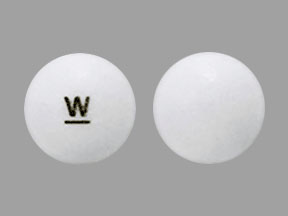
Thiola
Brand for: Tiopronin
My Prescription
Payment
Select pharmacy




$586.85
$30.00 due at pharmacy
$586.85 - $30.00 = $556.85
$556.85 remaining balance
You will be given your coupon after you complete your purchase with PayPal.
AlbertsonsPowered by$586.85
Print or send this coupon to your phone
AlbertsonsPowered byAbout Thiola
Drug Details
Tiopronin is a medication used to prevent the formation of kidney stones in individuals with cystinuria, a genetic disorder that causes high levels of the amino acid cystine in the urine. By chemically interacting with cystine, Tiopronin makes it more soluble in urine, thus reducing the risk of stone formation. For optimal results, this medication should be used in conjunction with lifestyle changes, such as increasing water intake, limiting salt and animal protein in your diet, and possibly taking alkali treatments. Always consult with your healthcare provider for personalized advice and before starting any new treatment.
Thiola (Tiopronin) dosage forms
| Dosage | Quantity | Price from | Per unit |
|---|---|---|---|
| 100MG | 100 Tablets | $586.85 | $5.87 |
Thiola FAQs
Thiola is used to prevent the formation of cystine stones in the kidneys and bladder in patients with cystinuria, a genetic disorder that leads to excessive cystine in the urine.
The cost of THIOLA can vary significantly based on factors such as the pharmacy, location, insurance coverage, and dosage. It is recommended to check with local pharmacies or consult with a healthcare provider or insurance company for the most accurate and up-to-date pricing information. Additionally, patient assistance programs may be available to help reduce the cost for eligible individuals.
Yes, Thiola is considered a specialty drug. It is used to treat cystinuria, a rare genetic disorder, and typically requires special handling, monitoring, or administration.
Thiola is the brand name for the drug tiopronin. Tiopronin is available as a generic medication.
Thiola is used to treat cystinuria, a condition characterized by the excessive excretion of cystine in the urine, which can lead to the formation of cystine stones in the kidneys, ureter, and bladder.