
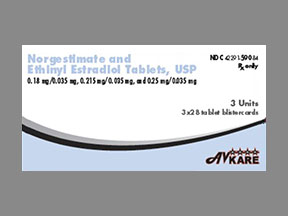
Tri-vylibra
Brand for: Norgestim-eth estrad triphasic
My Prescription
Payment
Select pharmacy




$22.88
Print or send this coupon to your phone
AlbertsonsPowered byAbout Tri-vylibra
Drug Details
Tri-Sprintec is an oral contraceptive taken daily to prevent pregnancy. It is a combination of two hormones: norgestimate, a progestin, and ethinyl estradiol, an estrogen. These hormones work together to prevent ovulation and pregnancy. Tri-Sprintec also offers additional benefits, such as regulating menstrual cycles, reducing blood loss and pain during periods, lowering the risk of ovarian cysts, and treating moderate acne. However, it does not provide protection against sexually transmitted infections like HIV, gonorrhea, or chlamydia.
Tri-vylibra (Norgestim-eth Estrad Triphasic) dosage forms
| Dosage | Quantity | Price from | Per unit |
|---|---|---|---|
| 0.18/0.215/0.25MG-35 MCG | 84 Tablets | $27.36 | $0.33 |
| 0.18/0.215/0.25MG-35 MCG | 28 Tablets | $17.72 | $0.63 |
Tri-vylibra FAQs
Tri-VyLibra is a combination oral contraceptive pill that contains two hormones: ethinyl estradiol and norgestimate. It is used to prevent pregnancy by inhibiting ovulation, altering the cervical mucus, and changing the uterine lining to prevent fertilization and implantation.
Tri-VyLibra, a combination oral contraceptive, may help improve acne in some individuals. This is because it can regulate hormones that contribute to acne development. However, the effectiveness can vary from person to person, and it is important to consult a healthcare provider to determine if it is a suitable option for managing acne.
Tri-VyLibra is a combination oral contraceptive pill. It contains both estrogen and progestin hormones, which work together to prevent ovulation and provide birth control.
Tri-VyLibra, like other combination oral contraceptives, may cause a range of side effects. Common side effects include nausea, vomiting, headache, bloating, breast tenderness, and changes in weight or appetite. Some individuals may experience mood changes, spotting between periods, or changes in menstrual flow. Serious side effects, though less common, can include blood clots, high blood pressure, and liver problems. It is important for individuals to discuss any concerns or unusual symptoms with their healthcare provider.