

Aleve vs Advil: Compare Differences & Prices
Key Takeaways
- Aleve (naproxen) and Advil (ibuprofen) are both nonsteroidal anti-inflammatory drugs (NSAIDs) used to relieve pain and reduce inflammation.
- Aleve generally provides longer-lasting relief, with dosing every 8-12 hours, while Advil typically needs to be taken every 4-6 hours.
- Advil is approved for use in children as young as 6 months, while Aleve is not recommended for children under 12 years old.
- Both drugs can cause stomach upset, ulcers, or bleeding, but Aleve's longer duration may increase this risk, especially in people with a history of stomach problems.
- Both Aleve and Advil can increase the risk of heart attack or stroke if used in high doses or for long periods, so they should be used at the lowest effective dose for the shortest time necessary.
- It is not recommended to take Aleve and Advil together, as this increases the risk of side effects without providing additional benefit.
Key Similarities
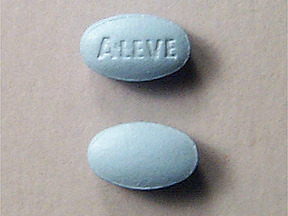 Aleve
Aleve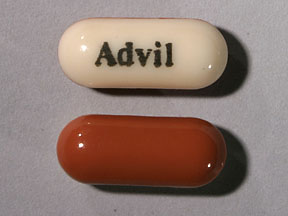 Advil
AdvilComparison Table
| Feature | Aleve | Advil |
| Active Ingredient | Naproxen sodium | Ibuprofen |
| Duration Of Action | 8–12 hours | 4–6 hours |
| Onset Of Effect | Slower | Faster |
| Max Daily Otc Dose | 660 mg (3 doses) | 1200 mg (6 doses) |
| Pediatric Use | OTC age 12+, Rx age 2+ | Age 6 months and up |
Price comparison
Comparing prices for Aleve (30 Tablets 220MG) and Advil (4 Tablets 200MG). For other forms and dosages please refer to Aleve and Advil pages.
 CVS
CVS Albertsons
 Walgreens
 Walmart
Aleve savings card
Show this coupon to your pharmacistWalmart
$10.31
BIN
ID
PCN
GRP
015995
LHKVW798375
GDC
DR33
Dosage guidelines
| Dosage | Aleve | Advil |
| Adult Dosage | One 220 mg tablet every 8–12 hours as needed. | 200–400 mg every 4–6 hours as needed. |
| First Dose | May take two 220 mg tablets (440 mg) within the first hour if needed. | 200–400 mg as the initial dose. |
| Maximum Daily Dose | Do not exceed 3 tablets (660 mg) in 24 hours. | Do not exceed 1,200 mg (six 200 mg tablets) in 24 hours unless directed by a doctor. |
| Pediatric Dosing | Not recommended for children under 12 years old unless advised by a healthcare provider. | Approved for children 6 months and older; dose based on weight and age. Follow package instructions or doctor's advice. |
| Special Notes | Longer-acting; fewer doses per day but higher risk of stomach side effects. Not for children under 12 without medical advice. Do not combine with Advil. | Works quickly; may be better for sensitive stomachs. Preferred for children over 6 months. Do not combine with Aleve. Use lowest effective dose for shortest time. |
Side effects comparison
When comparing side effects, both Aleve and Advil are nonsteroidal anti-inflammatory drugs (NSAIDs) and share many potential risks. That said, there are specific differences in how likely certain side effects are, which can help guide the choice between them. Common side effects seen with both medications include digestive problems such as heartburn, an upset stomach, constipation, bloating or gas, and even more serious issues like stomach ulcers or bleeding, especially when taken for longer periods or in higher doses than recommended. Some people may also experience dizziness, ringing in the ears, headaches, or drowsiness. Fluid retention and an increased thirst are also possible, as well as rare nervous system effects like nervousness, difficulty sleeping, or tingling and numbness in the arms or legs.
One difference between these two drugs is that Aleve (naproxen) is considered a longer-acting medication, so one dose usually provides relief for up to 8-12 hours. However, this longer duration in the body can actually increase the risk of stomach-related side effects compared to Advil (ibuprofen), which is shorter-acting and typically needs to be taken every 4-6 hours. The extended use of NSAIDs—especially Aleve—makes problems such as ulcers, stomach bleeding, and digestive tract irritation more likely. Because of this, people who have a history of stomach ulcers or acid reflux often do better with Advil, as it tends to be less harsh on the digestive tract.
Both medications can increase sensitivity to sunlight, but Aleve in particular is more likely to cause a skin reaction known as pseudoporphyria, which involves rash and blistering. This side effect is uncommon, and generally resolves once the medication is stopped, but it is something to consider for those with a history of such reactions.
All NSAIDs, including Aleve and Advil, carry some risk for serious side effects beyond the digestive and skin issues. Both can affect the kidneys, especially in people with kidney disease or reduced kidney function. Additionally, they may lead to or worsen high blood pressure and increase the risk of serious cardiovascular problems like heart attack or stroke. The overall risk of heart attack or stroke is generally low for short-term users without pre-existing risk factors, but increases with higher doses or long-term use. Aleve may sometimes pose a slightly lower cardiovascular risk at typical doses compared to Advil, but all NSAIDs come with this warning. If you have heart disease or have suffered a stroke in the past, these medicines should be used only with a doctor’s close supervision.
There is also the potential for allergic reactions. Advil appears to cause allergic responses more often than Aleve, but anyone with a known NSAID allergy should avoid both. Furthermore, these medications can interact with numerous other treatments, including blood thinners, certain antidepressants, and blood pressure medicines, which may increase the likelihood of side effects.
Because of these factors, it’s important to use the lowest effective dose for the shortest time necessary, and not take both Aleve and Advil at the same time, as doing so increases the risk for both stomach and heart-related complications. If you have existing health concerns, especially involving the stomach, heart, kidneys, or if you’re taking other medications, check with your doctor or pharmacist to make sure you are choosing the safest option for your needs. Recognizing warning signs such as new chest pain, shortness of breath, thick slurred speech, severe stomach pain, or black tarry stools is crucial, and medical attention should be sought right away if these occur. Ultimately, while both Aleve and Advil can be effective for pain and inflammation, side effect profiles and individual health history should guide your decision.
Interactions comparison
Aleve and Advil are both types of medications known as nonsteroidal anti-inflammatory drugs, or NSAIDs. They are used by many people to help with pain and inflammation, but some differences between them can affect which is best for certain conditions or age groups.
Both Aleve (which contains Naproxen Sodium) and Advil (which contains Ibuprofen) are commonly used for similar problems. They can both reduce fever and relieve aches and pains from a variety of situations, including:
Headaches
Menstrual cramps
Muscle aches or back pain
Toothaches
Mild to moderate arthritis pain
Sprains and strains
Pain related to the common cold
Despite this overlap, the choice between Aleve and Advil can depend on how long you need relief, the type of pain you have, your age, or other health issues you might have. Aleve is considered a long-acting medication, so most people only need to take it every 8 to 12 hours. This makes it a good choice for conditions where pain or swelling is ongoing, such as chronic back pain or arthritis, because it provides longer relief and may mean fewer doses each day. Advil, on the other hand, works more quickly but doesn’t last as long in the body. It usually needs to be taken every 4 to 6 hours for continued relief, which can make it better suited for sudden, short-term pain – like a headache, injury, or muscle sprain.
For some specific conditions, how you use these medications can also change:
Children: Advil is approved for use in children 6 months and older for pain and fever relief. It comes in forms like chewable tablets and liquid suspension that make it easier to give to kids. Aleve, however, should not be given to children under 12 years old unless directed by a healthcare provider. For most kids, Advil (ibuprofen) is generally preferred when an NSAID is needed, although Acetaminophen (Tylenol) is often another first option.
Arthritis: People with ongoing joint pain or arthritis may benefit from Aleve’s longer-lasting effect, as they may need around-the-clock pain control. Aleve is often recommended for chronic conditions because it maintains its effects over a longer period, which may help manage persistent inflammation more smoothly, although both can be effective.
Sudden or Acute Pain: For situations where rapid pain relief is needed, like during a tension headache, injury, or after dental work, Advil may be preferred due to its quicker onset of action, even though you might need to take it more often for continued effect.
While both medications work by blocking similar enzymes involved in pain and inflammation, some differences in how your body processes them lead to certain preferences for specific conditions. Importantly, both drugs should be taken at the lowest effective dose and for the shortest period necessary, as prolonged use can increase the risk of stomach upset, ulcers, or, less commonly, heart problems.
It’s also important to avoid taking Aleve and Advil at the same time, as using two NSAIDs together raises the chance of side effects and offers no extra benefit for pain relief.
Finally, before deciding which medication to use, consider other health issues you might have. If you have a history of stomach ulcers, heart concerns, or take medications like blood thinners, check with your healthcare provider, as one NSAID might be safer for you than the other. For most common aches and pains, both Aleve and Advil are effective and safe choices for many people when used correctly, but tailoring your choice to your specific condition and age can help you get the best relief with the least risk.
When to choose each medication
- Long-lasting pain relief is needed
- Better option for chronic conditions
- May be preferred for patients with higher cardiovascular risk
- Convenient twice-daily dosing
- Not recommended for children under 12
- Short-term or acute pain management
- Faster onset of action
- Preferred for use in children
- Generally milder on the stomach
- Available in more dosing forms and strengths
Frequently Asked Questions
What should you not mix with Aleve?
It is advised not to mix Aleve (naproxen) with alcohol, as it can increase the risk of stomach bleeding. Additionally, Aleve should not be taken with other nonsteroidal anti-inflammatory drugs (NSAIDs) like ibuprofen or aspirin, as this can increase the risk of side effects. Caution is also advised when combining Aleve with blood thinners, certain blood pressure medications, and other medications that may affect kidney function. It is important to consult with a healthcare provider before combining Aleve with any other medications or supplements.
Can Aleve help with migraines?
Aleve, which contains naproxen, is a nonsteroidal anti-inflammatory drug (NSAID) that can help relieve mild to moderate migraine pain for some individuals. However, it may not be effective for everyone and is generally not considered a first-line treatment specifically for migraines. It's important for individuals experiencing migraines to consult with a healthcare provider for a comprehensive treatment plan tailored to their specific needs.
Can anti-inflammatories cause diarrhea?
Yes, anti-inflammatory medications, particularly nonsteroidal anti-inflammatory drugs (NSAIDs), can cause diarrhea as a side effect. This occurs because they may irritate the gastrointestinal tract. If someone experiences this side effect persistently, it is advisable to consult a healthcare professional.
How to stop inflammation in kids?
For managing inflammation in children, it is important to consult with a healthcare provider to determine the underlying cause and appropriate treatment. However, general measures may include:
- Rest: Ensure the child gets adequate rest to help the body heal.
- Ice: Apply a cold compress to the affected area to reduce swelling.
- Elevation: Elevate the affected area if possible to decrease swelling.
- Hydration: Encourage the child to drink plenty of fluids.
- Healthy Diet: Provide a balanced diet rich in fruits, vegetables, and omega-3 fatty acids, which may help reduce inflammation.
- Medication: Over-the-counter anti-inflammatory medications, such as ibuprofen, may be used if recommended by a healthcare professional.
Always consult a healthcare provider before starting any treatment to ensure it is safe and appropriate for the child's specific condition.
What is more effective, Advil or Aleve?
The effectiveness of Advil (ibuprofen) versus Aleve (naproxen) can depend on the individual's specific needs and health profile. Both are nonsteroidal anti-inflammatory drugs (NSAIDs) and are effective for relieving pain and reducing inflammation.
Advil typically works more quickly but may require more frequent dosing, as its effects usually last 4 to 6 hours. Aleve, on the other hand, has a longer duration of action, often lasting 8 to 12 hours, meaning it is taken less frequently.
The choice between them may also be influenced by how an individual responds to each medication and any underlying health conditions they may have. Consulting with a healthcare professional can provide guidance tailored to the individual's needs.
Is there anything you can't take with Aleve?
Yes, there are certain substances and medications that should be avoided or used with caution when taking Aleve (naproxen). These include:
Other NSAIDs: Avoid taking Aleve with other nonsteroidal anti-inflammatory drugs (NSAIDs) like ibuprofen or aspirin, as it can increase the risk of side effects such as gastrointestinal bleeding.
Blood Thinners: Medications such as warfarin, clopidogrel, and certain anticoagulants can increase the risk of bleeding if taken with Aleve.
Certain Antidepressants: Selective serotonin reuptake inhibitors (SSRIs) and serotonin-norepinephrine reuptake inhibitors (SNRIs) may increase the risk of bleeding when taken with NSAIDs.
Corticosteroids: Taking corticosteroids with Aleve can also increase the risk of gastrointestinal issues.
Alcohol: Consuming alcohol while taking Aleve can increase the risk of stomach bleeding.
Lithium: Aleve can increase lithium levels in the body, potentially leading to toxicity.
It is important to consult a healthcare provider for personalized advice, especially if taking other medications or having pre-existing health conditions.
References
- Verywellhealth: What the Difference Between Aleve vs. Advil?
- Hss Edu: What's the Difference Between Tylenol, Advil and Aleve?
- Health: Advil vs. Aleve: How To Choose the Right NSAID
- Bluecrossvt: Difference in Over-the-Counter Pain Relievers
- Aleve: The Aleve® Difference: Up To 12-hour Pain Relief
- Health Yahoo: Aleve vs. Advil - What's the difference? Comparing these ...
- Vitalrecord Tamu Edu: Advil, Aleve and Tylenol: What's the difference? - Vital Record