

Vyvanse vs Adderall: Compare Differences & Prices
Key Takeaways
- Vyvanse and Adderall are both stimulant medications used to treat ADHD, but Vyvanse contains lisdexamfetamine (a prodrug) while Adderall contains mixed amphetamine salts.
- Vyvanse has a slower onset and longer, smoother duration of action because it must be metabolized in the body to become active, whereas Adderall acts more quickly and is available in both immediate and extended-release forms.
- Both drugs have similar side effects, such as decreased appetite, insomnia, and increased heart rate, but Vyvanse may cause fewer abrupt 'crashes' as it wears off.
- Vyvanse is also approved for binge eating disorder, while Adderall is approved for narcolepsy in addition to ADHD.
- Adderall is available in generic forms, which may make it less expensive than Vyvanse, which may be more costly depending on insurance and generic availability.
- Both medications are controlled substances with potential for misuse, but Vyvanse's prodrug formulation may reduce its abuse potential compared to Adderall.
Key Similarities
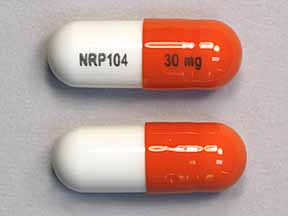 Vyvanse
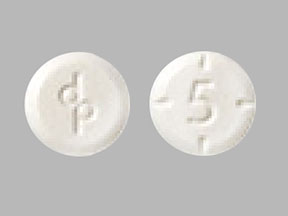 Adderall
Comparison Table
| Feature | Vyvanse | Adderall |
| Active Ingredient | lisdexamfetamine | mixed amphetamine salts (amphetamine and dextroamphetamine) |
| Duration Of Action | 10–14 hours | 4–6 hours (immediate-release); 8–12 hours (extended-release) |
| Onset Of Effect | 1–2 hours | 30–60 minutes |
| Max Daily Otc Dose | Prescription only | Prescription only |
| Pediatric Use | Approved for ages 6 and up | Approved for ages 6 and up |
Price comparison
Comparing prices for Vyvanse (30 Capsules 30MG) and Adderall (30 Tablets 5MG). For other forms and dosages please refer to Vyvanse and Adderall pages.
 CVS
CVS Albertsons
 Walgreens
 Walmart
Vyvanse savings card
Show this coupon to your pharmacistAlbertsons
$387.08
BIN
ID
PCN
GRP
015995
LHKXA309410
GDC
DR33
Dosage guidelines
| Dosage | Vyvanse | Adderall |
| Adult Dosage | Vyvanse: 30 mg once daily in the morning; may be adjusted in increments of 10 mg or 20 mg at weekly intervals (range: 30–70 mg/day). | Adderall: Immediate-release: 5 mg once or twice daily; may be increased by 5 mg at weekly intervals (range: 5–40 mg/day). Extended-release: 20 mg once daily in the morning; may be adjusted as needed. |
| First Dose | Vyvanse: Start with 30 mg once daily in the morning. | Adderall: Immediate-release: Start with 5 mg once or twice daily. Extended-release: Start with 20 mg once daily in the morning. |
| Maximum Daily Dose | Vyvanse: 70 mg per day. | Adderall: Immediate-release: 40 mg per day. Extended-release: 30 mg per day (per FDA label), but some sources may use up to 60 mg/day under medical supervision. |
| Pediatric Dosing | Vyvanse: Approved for ages 6–17. Start with 30 mg once daily; may increase by 10–20 mg at weekly intervals (max 70 mg/day). | Adderall: Immediate-release: Ages 3–5: Start with 2.5 mg daily; ages 6 and up: Start with 5 mg once or twice daily (max 40 mg/day). Extended-release: Ages 6 and up: Start with 10 mg once daily (max 30 mg/day). |
| Special Notes | Vyvanse is a prodrug, leading to smoother effects and lower misuse potential. Must be taken whole (capsule or chewable). | Adderall is available in both generic and brand forms, with immediate- and extended-release options. May have higher misuse potential. |
Side effects comparison
Vyvanse and Adderall are both stimulant medications used to manage symptoms of attention deficit hyperactivity disorder (ADHD), and they share many common side effects because they influence similar chemicals in the brain. However, there are some important differences in how these side effects appear, how intense they are, and how people experience them throughout the day. Knowing how each drug’s side effect profile compares can help patients and caregivers make more informed decisions when discussing treatment options with their healthcare provider.
Both medications can cause a range of side effects, which may be mild or bothersome, especially when starting treatment or when adjusting the dose. The most common side effects reported with both Vyvanse and Adderall include:
Loss of appetite and weight loss
Difficulty sleeping (insomnia)
Headache
Stomach pain or digestive discomfort (such as nausea, diarrhea, or vomiting)
Dry mouth
Dizziness
Increased heart rate and raised blood pressure
Anxiety, nervousness, or irritability
Mood swings or crankiness
Less commonly, some individuals may experience skin rashes, tics (sudden, repetitive movements or sounds), tremors, constipation, sexual side effects (such as reduced interest in sex or erectile difficulties), and restlessness. In rare cases, serious side effects like heart problems (including fast or irregular heartbeat, or high blood pressure) or mental health changes (such as paranoia, mania, or hallucinations) can occur. Anyone with a history of heart disease, high blood pressure, or certain psychiatric conditions should talk with their doctor before starting these medications, as stimulants may worsen these issues.
While side effect profiles are similar, the way Vyvanse and Adderall work in the body changes how and when these effects appear. Adderall comes in both immediate-release and extended-release forms, so its effects can arrive and wear off more quickly, sometimes leading to noticeable peaks and drops—these may increase the likelihood of experiencing a “crash” with symptoms like fatigue or mood changes as the medication wears off. Some people also notice that side effects such as anxiety, irritability, or appetite loss can feel more pronounced during these peaks. Vyvanse, on the other hand, is designed as an extended-release medication and is a “prodrug,” which means the medication is inactive until the body converts it during digestion. As a result, Vyvanse tends to provide a smoother, more gradual release of its active components over the course of the day, often leading to milder, more consistent side effects and a reduced sense of crashing or abrupt wear-off.
Another distinction involves the risk and intensity of certain side effects. Appetite suppression and weight loss are common for both drugs, but some individuals report that these are less severe with Vyvanse, possibly due to its gradual onset. Sleep disturbances are also possible with both medications and may depend on when the dose is taken; Adderall’s shorter-acting versions, if taken later in the day, may cause more difficulties with falling asleep compared to Vyvanse’s longer-lasting and consistent action. Mood-related side effects—like jitteriness, anxiety, or sudden mood shifts—may surface more quickly with Adderall, especially with the immediate-release formulation, while Vyvanse’s smoother profile can help minimize sudden changes for some people.
It’s important to understand that each person's response to these medications can be different, with some experiencing more or fewer side effects regardless of the drug. Open communication with your healthcare provider is key for managing side effects, adjusting dosages, or deciding if a different medication might be better suited to your needs. Regular monitoring—especially of heart rate, blood pressure, mood, and appetite—is recommended during treatment with either medication. If you experience serious side effects such as chest pain, shortness of breath, signs of heart problems, or significant changes in mood or behavior, you should contact your doctor right away.
Interactions comparison
Vyvanse and Adderall are both widely used for managing attention deficit hyperactivity disorder, also known as ADHD, in children, adolescents, and adults. These medications help improve focus, attention, and impulse control by affecting specific natural chemicals in the brain. However, there are important differences in which conditions each medication is approved to treat, as well as other factors that can help determine which might be a better fit for a particular individual.
Adderall has been available longer and has two primary approved uses in the United States. The first and most common use is for the treatment of ADHD in individuals aged six and older. Adderall is also approved to manage narcolepsy, a sleep disorder that causes overwhelming daytime drowsiness and sudden attacks of sleep. This dual approval gives Adderall a broader range of use in treating both attention and sleep-related conditions.
Vyvanse is also approved for ADHD treatment in children aged six and above, adolescents, and adults, but it is not approved for use in children under the age of six. One unique distinction is that Vyvanse is also approved to treat moderate to severe binge eating disorder in adults. This means that for individuals dealing with both ADHD and binge eating disorder, Vyvanse may provide benefits for both conditions, potentially simplifying medication management.
To summarize the approved uses of each medication:
Adderall
ADHD in children (6+), adolescents, and adults
Narcolepsy in adults and children
Vyvanse
ADHD in children (6+), adolescents, and adults
Moderate to severe binge eating disorder in adults
It's important to note that although both medications are effective for ADHD, they are not interchangeable for other conditions. For example, Vyvanse is not approved to treat narcolepsy, and Adderall is not approved to manage binge eating disorder. Furthermore, neither medication is approved for weight loss or depression, even though they may cause weight changes in some individuals as a side effect. Their use in these or other non-approved conditions would be considered off-label and should only be done under close supervision by a healthcare provider.
When choosing between Vyvanse and Adderall, a doctor will consider which condition is being treated, as well as the age and individual needs of the patient. For ADHD, both options are effective and have similar success rates, but the choice may depend on side effect profiles, the potential for misuse, and additional health considerations. For someone with binge eating disorder who also requires ADHD treatment, Vyvanse may be preferred. If a person needs help with both ADHD and narcolepsy, Adderall may be the more appropriate option.
Doctors also take into account any other medications a patient is already taking, because both Vyvanse and Adderall can interact with a variety of other drugs. A thorough review of the patient’s health history and symptoms is critical to determine which medication and approved use best fit each situation.
When to choose each medication
- Lower misuse potential
- Smoother, longer-lasting effect
- Milder side effects
- Once-daily dosing
- Approved for binge eating disorder
- Available in immediate and extended-release forms
- Generic, more affordable options
- Approved for narcolepsy
- Flexible dosing schedule
- Faster symptom relief
Frequently Asked Questions
Is it bad to take Vyvanse if not prescribed?
Taking Vyvanse without a prescription is not advisable and can be potentially harmful. Vyvanse is a medication that should only be used under the supervision of a healthcare provider, as it can have significant side effects and risks, especially if not used as directed. Misuse can lead to dependence, cardiovascular issues, or other health problems. It's important to only take medications that are prescribed specifically for one's individual health needs.
Which is the safest ADHD medication?
The safety of ADHD medications can vary depending on individual health profiles and how the body responds to the medication. Generally, both stimulant medications like methylphenidate and amphetamines, and non-stimulant medications like atomoxetine and guanfacine, are considered safe when prescribed and monitored by a healthcare provider. It is important to have a thorough discussion with a healthcare professional to determine the most suitable and safe option based on individual needs and medical history.
Does Vyvanse make you lose weight?
Vyvanse may lead to weight loss as a side effect. It is a stimulant medication that can decrease appetite, resulting in weight loss for some individuals. However, the effect can vary, and it is important to use the medication under medical supervision to monitor any changes in weight or appetite.
What gives you energy like Adderall?
There are several alternatives that might help boost energy levels, though they may not have the same effects as Adderall. These include caffeine, found in coffee or energy drinks, which can temporarily increase alertness and energy. Additionally, regular physical exercise, a balanced diet, and adequate sleep are important natural ways to maintain energy levels. Some people also find that B-vitamins and certain adaptogens like Rhodiola Rosea can support energy and reduce fatigue. It's important to consult with a healthcare professional before starting any new supplement or medication.
What does Adderall feel like if you don't have ADHD?
Individuals without ADHD who take Adderall may experience heightened alertness, increased focus, and a sense of euphoria. Some may also encounter side effects such as increased heart rate, insomnia, anxiety, or agitation. It's important to note that using Adderall without a prescription is not recommended and can have potential health risks.
Does Vyvanse keep you up like Adderall?
Vyvanse, like Adderall, is a stimulant medication and can cause increased wakefulness and alertness. While both medications have similar effects, the way they are metabolized in the body can lead to differences in how long they last and their intensity. Vyvanse has a longer duration of action and may have a smoother onset and offset compared to Adderall, which can result in different experiences regarding sleep. It's important for individuals to consult with their healthcare provider about how these medications might affect their sleep patterns.
What is the best ADHD medication for weight loss?
Choosing an ADHD medication specifically for the purpose of weight loss is not generally recommended. ADHD medications, such as stimulants like Adderall or Ritalin, can sometimes lead to weight loss as a side effect due to decreased appetite, but they should be prescribed and used primarily to manage ADHD symptoms. Any weight-related concerns should be addressed with a healthcare provider to discuss appropriate and safe strategies. Always consult with a healthcare professional for personalized advice and treatment options.
Do you lose more weight on Vyvanse or Adderall?
Weight loss can be a side effect of both Vyvanse and Adderall, as they are both stimulant medications used to treat ADHD. However, the extent of weight loss can vary between individuals and depends on various factors such as dosage, duration of treatment, and individual metabolism. It is important for patients to discuss concerns about weight loss with their healthcare provider to ensure it is managed appropriately.
Why do people switch from Vyvanse to Adderall?
People might switch from Vyvanse to Adderall due to differences in how these medications affect them. Some individuals may experience better symptom control, fewer side effects, or a more favorable duration of action with Adderall compared to Vyvanse. Additionally, insurance coverage, cost, and personal preference may also play a role in the decision to switch medications. Each person’s response to medication can vary, so it is important for a healthcare provider to evaluate and determine the most appropriate treatment for the individual.
What happens if I take Vyvanse without ADHD?
Taking Vyvanse without having ADHD can lead to several effects and risks. Vyvanse is a stimulant medication that affects chemicals in the brain and nerves that contribute to hyperactivity and impulse control. In individuals without ADHD, it may cause increased energy, heightened alertness, and potentially euphoria. However, it can also lead to side effects such as increased heart rate, elevated blood pressure, anxiety, insomnia, and an increased risk of substance misuse. It is important to take Vyvanse only under the guidance of a healthcare provider.
What does Vyvanse do if you don't have ADHD?
Vyvanse, if taken by someone without ADHD, may still increase focus, attention, and energy levels due to its stimulant effects. However, it can also lead to side effects like increased heart rate, anxiety, insomnia, and potential for misuse or dependence. It is important to take Vyvanse only under medical supervision and as prescribed.
Will Vyvanse give me energy like Adderall?
Vyvanse, like Adderall, is a stimulant medication used to treat ADHD and can increase alertness and focus. While both medications can lead to increased energy levels, their effects and side effects can vary from person to person. It is important for individuals to consult with their healthcare provider to determine which medication may be more suitable for their needs.
Why is Vyvanse so much better than Adderall?
Vyvanse and Adderall are both medications prescribed for ADHD, but they have different formulations which might explain why some individuals find one more effective than the other. Vyvanse is a prodrug, meaning it is inactive until metabolized in the body, resulting in a more gradual onset and longer duration of effect. This can lead to a smoother therapeutic effect with potentially fewer peaks and troughs in symptom control. Additionally, Vyvanse is less likely to be abused as it requires metabolism to become active, while Adderall is immediate-release. Individual response to medication can vary, so what works better for one person may not be the same for another. A healthcare provider can help determine which medication is more suitable based on individual needs and responses.
Will Vyvanse make me feel the same as Adderall?
Vyvanse and Adderall are both stimulant medications used to treat ADHD, but they contain different active ingredients. Vyvanse contains lisdexamfetamine, while Adderall contains a combination of amphetamine salts. Although both medications can improve attention and focus, individual responses can vary. Some people may experience similar effects, while others may find one medication more effective or have different side effects. It's important for the individual to consult with their healthcare provider to determine the best treatment option for their specific needs.
References
- Americanaddictioncenters: Adderall vs. Vyvanse: What's the Difference?
- Paramountwellnesscenters: Adderall vs. Vyvanse: Similarities, Differences, & More
- Legacyfreedom: Vyvanse vs Adderall: Understanding the Key Differences
- Neurowellnessspa: Vyvanse vs Adderall: Which Is Right for You?
- Oceanrecovery: Vyvanse vs. Adderall: Similarities & Differences