
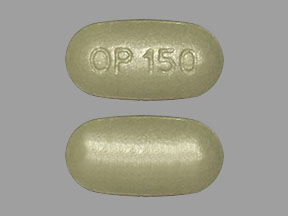
Lynparza
My Prescription
Payment
Select pharmacy



$9,511.32
$30.00 due at pharmacy
$9,511.32 - $30.00 = $9,481.32
$9,481.32 remaining balance
You will be given your coupon after you complete your purchase with PayPal.
AlbertsonsPowered by$9,511.32
Print or send this coupon to your phone
AlbertsonsPowered byAbout Lynparza
Drug Details
Lynparza (olaparib) is an oral medication designed to treat specific types of cancer, including breast, ovarian, pancreatic, and prostate cancer. It is typically administered as two tablets taken by mouth twice daily and may be used alone or alongside other cancer treatments. Olaparib functions as a PARP inhibitor, which means it blocks the PARP protein that normally assists cells in repairing damaged DNA. By inhibiting this protein, the medication prevents cancer cells from repairing their DNA, ultimately leading to their death. Lynparza is particularly used for advanced or recurrent ovarian cancer post-platinum-based chemotherapy, HER2-negative early or metastatic breast cancer with inherited BRCA mutations following initial treatment, pancreatic cancer with inherited BRCA mutations after first-line platinum-based chemotherapy, and metastatic, castration-resistant prostate cancer with BRCA or HRR gene mutations. Common side effects can include nausea, upset stomach, and fatigue. Always consult your healthcare provider before starting any new treatment.
Price history for Lynparza
60 Tablets, 150MG
Average retail price for Lynparza
Average SaveHealth price for Lynparza
Our price history data is based on aggregated prescription data collected from participating pharmacies in America. Our prescription data updates daily to reflect the latest price changes. If you notice a missing data point, it means there wasn't sufficient data available to generate a monetary value for that date.
*Retail prices are based on pharmacy claims data, and may not be accurate when we don't have enough claims.
Lynparza dosage forms
| Dosage | Quantity | Price from | Per unit |
|---|---|---|---|
| 100MG | 60 Tablets | $9,511.32 | $158.52 |
| 100MG | 120 Tablets | $19,014.64 | $158.46 |
| 150MG | 60 Tablets | $9,511.32 | $158.52 |
| 150MG | 120 Tablets | $19,014.64 | $158.46 |
Lynparza FAQs
Lynparza (olaparib) may cause weight loss as a side effect in some patients. However, it is not one of the most common side effects. If a patient experiences significant weight loss while taking Lynparza, it is important to consult with a healthcare provider to assess the situation and determine the appropriate course of action.
When taking LYNPARZA (olaparib), it is advised to avoid consuming grapefruit, grapefruit juice, Seville oranges, and Seville orange juice. These can interfere with the metabolism of the medication and potentially increase its side effects. It is always best to consult with a healthcare provider for personalized dietary recommendations while on this medication.
Lynparza (olaparib) can have several risks and side effects. Common side effects include nausea, fatigue, vomiting, anemia, and diarrhea. More serious risks involve bone marrow problems such as myelodysplastic syndrome or acute myeloid leukemia, which are rare but serious conditions. There is also a risk of developing new or worsening lung problems, including pneumonitis. Patients should be monitored regularly by their healthcare provider for any signs of these conditions. It is important for patients to discuss their medical history and any concerns with their healthcare provider before starting treatment with Lynparza.
Lynparza (olaparib) can cause muscle weakness as a side effect, although it is not among the most common ones. Patients experiencing muscle weakness should inform their healthcare provider, as it may require medical evaluation and management.
The survival rate for Lynparza (olaparib) can vary depending on the type and stage of cancer being treated, as well as individual patient factors. Lynparza is commonly used for certain types of ovarian, breast, pancreatic, and prostate cancers, particularly those with BRCA mutations. Clinical trials have shown that Lynparza can improve progression-free survival in some patients, but specific survival rates should be discussed with a healthcare provider, as they can provide information tailored to an individual's specific condition and treatment plan.