
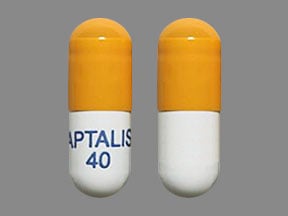
Zenpep
My Prescription
Payment
Select pharmacy




$1,637.44
Print or send this coupon to your phone
AlbertsonsPowered byAbout Zenpep
Drug Details
Pancrelipase, commonly known as Creon, is a medication designed to assist individuals with pancreatic insufficiency, a condition where the pancreas does not produce enough digestive enzymes. This medication contains essential enzymes like lipase, amylase, and protease, which are crucial for breaking down fats, starches, and proteins in food. It is particularly beneficial for patients with conditions such as chronic pancreatitis, cystic fibrosis, pancreatic cancer, or those who have undergone certain surgeries like pancreatectomy or gastrointestinal bypass. Pancrelipase is typically taken orally three times a day with meals and up to two times with snacks in between meals. The dosage should be tailored to the individual needs of the patient, in consultation with a healthcare provider. Common side effects may include headache, cough, and stomach pain. It is important to discuss with your doctor, nurse, or pharmacist before starting pancrelipase to ensure it is safe and effective for your specific health needs.
Price history for Zenpep
100 Capsule Delayed Release Particles, 40000-126000UNIT
Average retail price for Zenpep
Average SaveHealth price for Zenpep
Our price history data is based on aggregated prescription data collected from participating pharmacies in America. Our prescription data updates daily to reflect the latest price changes. If you notice a missing data point, it means there wasn't sufficient data available to generate a monetary value for that date.
*Retail prices are based on pharmacy claims data, and may not be accurate when we don't have enough claims.
Zenpep dosage forms
| Dosage | Quantity | Price from | Per unit |
|---|---|---|---|
| 3000-10000UNIT | 100 Capsule Delayed Release Particleses | $238.73 | $2.39 |
| 5000-24000UNIT | 90 Capsule Delayed Release Particleses | $207.40 | $2.30 |
| 5000-24000UNIT | 100 Capsule Delayed Release Particleses | $228.56 | $2.29 |
| 10000-32000UNIT | 90 Capsule Delayed Release Particleses | $393.41 | $4.37 |
| 10000-32000UNIT | 100 Capsule Delayed Release Particleses | $435.23 | $4.35 |
| 15000-47000UNIT | 100 Capsule Delayed Release Particleses | $621.15 | $6.21 |
| 20000-63000UNIT | 100 Capsule Delayed Release Particleses | $837.20 | $8.37 |
Zenpep FAQs
ZENPEP is used to treat exocrine pancreatic insufficiency (EPI) due to cystic fibrosis or other conditions. It helps patients digest fats, proteins, and carbohydrates by providing pancreatic enzymes.
When taking ZENPEP, it is generally recommended to avoid foods that are high in fat and difficult to digest, as they can interfere with the effectiveness of the medication. Additionally, it is advisable to avoid alcohol and caffeine, as they can exacerbate digestive issues. It is always best to follow the dietary recommendations provided by a healthcare professional or a registered dietitian tailored to the individual's specific condition.
The cost of ZENPEP can be attributed to several factors. These include the research and development expenses involved in creating the medication, the manufacturing process, and the regulatory requirements for ensuring its safety and efficacy. Additionally, market exclusivity and patent protection can limit competition, allowing the manufacturer to set higher prices. Insurance coverage and pharmacy pricing can also influence the out-of-pocket cost for patients.
The cost of ZENPEP can vary depending on factors such as the pharmacy, location, dosage, and whether the patient has insurance coverage. It is recommended to check with local pharmacies or insurance providers for the most accurate and up-to-date pricing information. Additionally, some pharmaceutical companies offer patient assistance programs that may help reduce the cost for eligible individuals.
The effectiveness of ZENPEP versus Creon can vary depending on the individual patient's needs and response to the medication. Both ZENPEP and Creon are pancreatic enzyme replacement therapies used to aid digestion in individuals with pancreatic insufficiency. The choice between them should be based on a healthcare provider's assessment of the patient's specific condition, tolerance, and response to treatment. It is important for patients to follow their healthcare provider's recommendations and report any concerns or side effects they experience.