

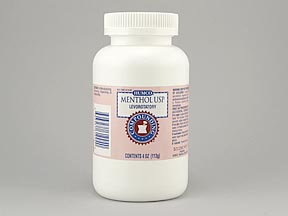
Menthol Coupons & Savings Card – Discount Prices from $1.94
Generic for: Cough drops, Ludens throat drops, Cepacol sore throat
My prescription
Edit
1GM, Menthol (1 Bottle)
Select pharmacy

Walgreens
$1.94
COUPON PRICE
Albertsons
$1.94
COUPON PRICEMenthol savings card
Show this card to your pharmacist
Walgreens
$1.94
BIN
ID
PCN
GRP
011867
LH1FF1D313
HT
LABH001
Powered by
Related local analgesics prescriptions
More prescriptions for pain
Related local analgesics prescriptions
More prescriptions for pain
Price history for Cough Drops (brand) & Menthol (generic)
1 Bottle, 1GM
Average retail price for Cough Drops
Average retail price for Menthol
Average SaveHealth price for Menthol
Our price history data is based on aggregated prescription data collected from participating pharmacies in America. Our prescription data updates daily to reflect the latest price changes. If you notice a missing data point, it means there wasn't sufficient data available to generate a monetary value for that date.
We analyzed Menthol prices for (1GM, 1 Bottle) over the last 12 months. The average retail price was $6.27, while the average price using the SaveHealth discount card was $3.83. That's a savings of approximately 38.92% when using our Menthol coupon.
Compared to the generic version, Cough Drops had an average price of $2.49 over the same time period. With the SaveHealth savings card, Menthol is -53.82% cheaper on average than Cough Drops.
*Retail prices are based on pharmacy claims data, and may not be accurate when we don't have enough claims.
Menthol dosage forms
Dosage Quantity Price from Per unit 1GM 1 Bottle $2.78 $2.78 1GM 2 Bottles $3.55 $1.77 1GM 3 Bottles $4.33 $1.44
| Dosage | Quantity | Price from | Per unit |
|---|---|---|---|
| 1GM | 1 Bottle | $2.78 | $2.78 |
| 1GM | 2 Bottles | $3.55 | $1.77 |
| 1GM | 3 Bottles | $4.33 | $1.44 |
Menthol Warnings
When using this medication, it is important to be aware of the following safety warnings and precautions to ensure its safe use. Please read the information carefully and consult your healthcare provider if you have any questions or concerns.
- Risk of Serious Skin Burns: Although uncommon, menthol can sometimes cause serious skin burns. These burns typically occur within 24 hours after the first application. In certain instances, the burns may be severe enough to necessitate hospitalization.
- Signs to Watch For: If you notice pain, blistering, or swelling at the application site, discontinue use immediately and seek medical attention.
- Precautionary Measures: Avoid covering the treated area with tight coverings, and do not apply heat to the application area to prevent exacerbating the risk of burns. There are no known contraindications for this medication. However, it is always recommended to discuss your full medical history and any other medications you are taking with your healthcare provider to ensure safe use of this product.
Menthol Side Effects
Common side effects:
- Skin irritation
Less common but important to monitor:
- Skin redness
Serious side effects:
- Severe skin burns characterized by pain, swelling, and blistering
Menthol Interactions
Menthol, a compound commonly found in cough drops, lozenges, and various over-the-counter products, is generally considered safe for most individuals. However, certain interactions with medications have been observed, particularly concerning the anticoagulant Warfarin. In some cases, individuals taking warfarin who also consumed menthol-containing cough drops experienced a decrease in their International Normalized Ratio (INR), indicating reduced blood-thinning effectiveness. The exact mechanism behind this interaction is not fully understood, but it is suggested that menthol may influence the enzymes responsible for metabolizing warfarin, potentially altering its effectiveness.
Additionally, studies have indicated that menthol can affect the metabolism of other medications. For instance, research involving mice demonstrated that menthol increased the expression of certain liver enzymes, leading to a decrease in the blood concentrations of drugs like Triazolam and Phenytoin. This suggests that menthol may accelerate the breakdown of these medications, potentially reducing their therapeutic effects.
It's important to note that while these interactions have been observed in specific cases and studies, they may not occur in all individuals. Nonetheless, if you are taking medications such as warfarin, triazolam, or phenytoin, it's advisable to consult with your healthcare provider before using menthol-containing products. They can provide personalized guidance and monitor for any potential interactions to ensure your medications remain effective.