
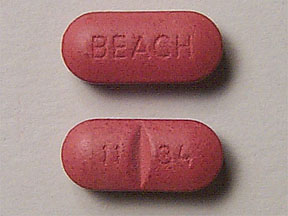
K-phos No 2
My Prescription
Payment
Select pharmacy




$34.80
Print or send this coupon to your phone
AlbertsonsPowered byAbout K-phos No 2
Drug Details
This medication is intended for individuals who are unable to obtain sufficient phosphorus through their diet. Phosphorus is a vital mineral that plays a crucial role in strengthening and maintaining bones. Additionally, it helps regulate calcium levels in the body and urine.
Price history for K-phos No 2
30 Tablets, 305-700MG
Average retail price for K-phos No 2
Average SaveHealth price for K-phos No 2
Our price history data is based on aggregated prescription data collected from participating pharmacies in America. Our prescription data updates daily to reflect the latest price changes. If you notice a missing data point, it means there wasn't sufficient data available to generate a monetary value for that date.
*Retail prices are based on pharmacy claims data, and may not be accurate when we don't have enough claims.
K-phos No 2 dosage forms
| Dosage | Quantity | Price from | Per unit |
|---|---|---|---|
| 305-700MG | 30 Tablets | $40.61 | $1.35 |
| 305-700MG | 100 Tablets | $121.33 | $1.21 |
K-phos No 2 FAQs
K-Phos No. 2 is a medication that contains potassium and sodium phosphate. It is typically used to help prevent kidney stones and to increase the phosphate levels in the blood. It may also be used to acidify the urine. As with any medication, it should be used under the guidance of a healthcare professional.
K-Phos is used to help prevent the formation of kidney stones and to increase the acidity of urine. It is often prescribed to patients who need to manage their urinary pH levels or require additional phosphorus in their diet.
K-Phos is not available over the counter. It typically requires a prescription from a healthcare provider.
K-Phos is indicated for the prevention and treatment of phosphate deficiency. It is also used to acidify the urine and can help prevent the formation of calcium stones in the urinary tract.
Potassium phosphate is indicated for the treatment or prevention of hypophosphatemia, which is a condition characterized by low levels of phosphate in the blood. It is also used to acidify the urine and can be part of the management of certain types of kidney stones. Additionally, it may be used in parenteral nutrition to provide phosphate when oral intake is insufficient.