
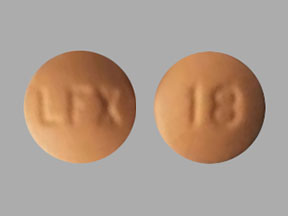
Lucemyra
Brand for: Lofexidine
My Prescription
Payment
Select pharmacy




$140.33
$15.00 due at pharmacy
$140.33 - $15.00 = $125.33
$125.33 remaining balance
You will be given your coupon after you complete your purchase with PayPal.
AlbertsonsPowered by$140.33
Print or send this coupon to your phone
AlbertsonsPowered byAbout Lucemyra
Drug Details
Lofexidine, marketed under the name Lucemyra, is a prescription medication designed to alleviate withdrawal symptoms in adults discontinuing opioid use. As part of a comprehensive treatment plan that may include monitoring, counseling, and lifestyle changes, this drug plays a critical role. Lofexidine belongs to the alpha-2 agonist class and functions by reducing norepinephrine levels in the brain, which helps ease symptoms such as chills, stomach cramps, and body aches. Additionally, it relaxes blood vessels, leading to lower blood pressure and a calmer heart rate. The medication is taken orally four times a day, with doses spaced 5 to 6 hours apart. Common side effects include dizziness and trouble sleeping. Always consult with a healthcare professional before starting any new medication.
Lucemyra (Lofexidine) dosage forms
| Dosage | Quantity | Price from | Per unit |
|---|---|---|---|
| 0.18MG | 36 Tablets | $140.33 | $3.90 |
| 0.18MG | 96 Tablets | $349.82 | $3.64 |
Lucemyra FAQs
Lucemyra and Suboxone are not the same. Lucemyra (lofexidine) is used to manage withdrawal symptoms in individuals discontinuing opioid use. Suboxone, on the other hand, is a combination of buprenorphine and naloxone, used for opioid dependence treatment to reduce cravings and withdrawal symptoms. They serve different purposes in the context of opioid use disorder.
Lucemyra is a medication used to alleviate withdrawal symptoms in individuals who are discontinuing opioid use. It works by reducing the severity of symptoms such as anxiety, agitation, muscle aches, and sweating, which are common during opioid withdrawal. Lucemyra is not a treatment for opioid use disorder itself but is used to manage the physical symptoms associated with withdrawal.
Lucemyra (lofexidine) and clonidine are both medications used to manage symptoms of opioid withdrawal, but they are not the same. While both are alpha-2 adrenergic agonists, Lucemyra is specifically approved for the treatment of opioid withdrawal symptoms, whereas clonidine is used off-label for this purpose. Lucemyra is designed to reduce withdrawal symptoms without affecting the opioid receptors, whereas clonidine is primarily used for hypertension but can also help alleviate withdrawal symptoms.
Lucemyra (lofexidine) is effective in reducing the severity of withdrawal symptoms in individuals discontinuing opioid use. It is not a treatment for opioid use disorder itself but helps manage withdrawal symptoms. Its effectiveness can vary among individuals, and it is typically used as part of a comprehensive treatment plan.
Clonidine and lofexidine are both medications that act as alpha-2 adrenergic agonists, but they have different primary uses and approval statuses. Clonidine is commonly used to treat high blood pressure and can also be used for attention deficit hyperactivity disorder (ADHD) and certain pain conditions. It is sometimes used off-label to help manage withdrawal symptoms from opioids.Lofexidine, on the other hand, is specifically approved for the management of opioid withdrawal symptoms. It is designed to reduce the severity of withdrawal symptoms without the risk of addiction. While both medications can be used in the context of opioid withdrawal, lofexidine is specifically tailored for this purpose and may have a more favorable side effect profile in this context.