
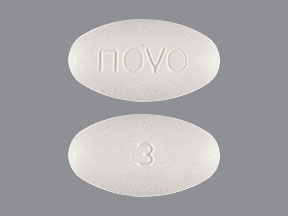
Rybelsus
My Prescription
Payment
Select pharmacy




$933.85
$30.00 due at pharmacy
$933.85 - $30.00 = $903.85
$903.85 remaining balance
You will be given your coupon after you complete your purchase with PayPal.
WalmartPowered by$933.85
Print or send this coupon to your phone
WalmartPowered byPay as little as $0 for Rybelsus
Works with your insurance. Enroll in the manufacturer's savings program in a few steps.
About Rybelsus
Drug Details
Semaglutide, marketed under the brand name Rybelsus, is prescribed to manage type 2 diabetes in conjunction with a suitable diet and exercise routine. This medication is unique, as it is available in a tablet form taken orally once daily, unlike other injectable versions of semaglutide. It functions as a glucagon-like peptide-1 (GLP-1) agonist, mimicking a natural hormone in the body. By encouraging the pancreas to release more insulin, it helps lower blood sugar levels, reduces sugar production by the liver, and slows digestion to maintain stable blood glucose levels. Effective management of blood sugar with Rybelsus can help prevent complications such as kidney damage, nerve issues, and cardiovascular events like heart attacks or strokes. However, users should be aware of potential side effects, including nausea, vomiting, and diarrhea, and the medication carries a warning about an increased risk of thyroid tumors or cancer. Always consult with a healthcare professional before starting any new medication regimen.
Price history for Rybelsus
30 Tablets, 3MG
Average retail price for Rybelsus
Average SaveHealth price for Rybelsus
Our price history data is based on aggregated prescription data collected from participating pharmacies in America. Our prescription data updates daily to reflect the latest price changes. If you notice a missing data point, it means there wasn't sufficient data available to generate a monetary value for that date.
*Retail prices are based on pharmacy claims data, and may not be accurate when we don't have enough claims.
Rybelsus dosage forms
| Dosage | Quantity | Price from | Per unit |
|---|---|---|---|
| 3MG | 30 Tablets | $933.85 | $31.13 |
| 7MG | 30 Tablets | $927.86 | $30.93 |
| 14MG | 30 Tablets | $933.85 | $31.13 |
Rybelsus FAQs
Rybelsus and Ozempic are not the same, but they contain the same active ingredient, semaglutide. Rybelsus is an oral tablet, while Ozempic is an injectable form. Both are used to manage blood sugar levels in adults with type 2 diabetes, but they differ in their administration methods.
Rybelsus, a medication used to manage type 2 diabetes, may have some potential issues or side effects. Common side effects include nausea, diarrhea, and stomach pain. More serious concerns can include pancreatitis, kidney problems, and allergic reactions. Additionally, it may not be suitable for individuals with certain medical conditions, such as a history of medullary thyroid carcinoma or multiple endocrine neoplasia syndrome type 2. It is important for patients to discuss their medical history and any concerns with their healthcare provider before starting Rybelsus.
Rybelsus is a medication that helps manage blood sugar levels in adults with type 2 diabetes. It works by mimicking the action of a hormone called GLP-1, which increases insulin production in response to meals, decreases the amount of sugar produced by the liver, and slows down the digestion process. This helps to lower blood sugar levels effectively.
Pancreatitis is considered a rare side effect of Rybelsus (semaglutide). While it is not common, patients should be aware of the symptoms of pancreatitis, such as severe abdominal pain, nausea, and vomiting, and seek medical attention if they experience these symptoms. It is important for patients to discuss any concerns with their healthcare provider.
Ozempic and Rybelsus both contain the active ingredient semaglutide, but they differ in their administration methods. Ozempic is an injectable medication, while Rybelsus is taken orally. Clinical studies have shown that both medications can aid in weight loss, but Ozempic has generally been associated with greater weight loss compared to Rybelsus. However, individual responses can vary, and the choice between the two should be based on a healthcare provider's assessment of the patient's specific needs and preferences.