
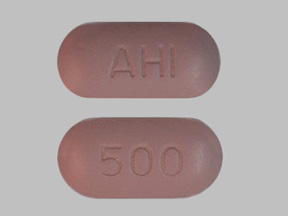
Cellcept
Brand for: Mycophenolate
My Prescription
Payment
Select pharmacy




$42.18
Print or send this coupon to your phone
CVSPowered byAbout Cellcept
Drug Details
Mycophenolate, marketed as CellCept, is an immunosuppressant medication used to prevent organ rejection in patients who have undergone kidney, liver, or heart transplants. Suitable for adults and children aged 3 months and older, this drug is typically used alongside other anti-rejection medications. It works by reducing the activity of the immune system, thereby helping the body to accept the transplanted organ as its own. Mycophenolate can be administered orally or through an intravenous infusion. While effective, it may cause side effects such as pain, headache, dizziness, and changes in blood pressure. Always consult with a healthcare professional before starting any new treatment.
Price history for Cellcept (brand) & Mycophenolate (generic)
120 Tablets, 500MG
Average retail price for Cellcept
Average retail price for Mycophenolate
Average SaveHealth price for Mycophenolate
Our price history data is based on aggregated prescription data collected from participating pharmacies in America. Our prescription data updates daily to reflect the latest price changes. If you notice a missing data point, it means there wasn't sufficient data available to generate a monetary value for that date.
Over the last 12 months, the average discount price of Cellcept is $42.94 using the SaveHealth savings card. That's an average savings of 95.95% on Cellcept with our discount card.
*Retail prices are based on pharmacy claims data, and may not be accurate when we don't have enough claims.
Cellcept (Mycophenolate) dosage forms
| Dosage | Quantity | Price from | Per unit |
|---|---|---|---|
| 500MG | 120 Tablets | $42.18 | $0.35 |
| 500MG | 1 Tablet | $17.25 | $17.25 |
| 500MG | 30 Tablets | $24.59 | $0.82 |
| 500MG | 50 Tablets | $29.55 | $0.59 |
| 500MG | 60 Tablets | $31.86 | $0.53 |
| 500MG | 90 Tablets | $37.46 | $0.42 |
| 500MG | 100 Tablets | $39.03 | $0.39 |
Cellcept FAQs
CellCept is used to prevent organ rejection in patients who have received a kidney, heart, or liver transplant. It is often used in combination with other medications to suppress the immune system and help the body accept the new organ.
CellCept (mycophenolate mofetil) is considered a high-risk medication due to its potential for serious side effects and the need for careful monitoring. It is an immunosuppressant used to prevent organ rejection in transplant patients, and it can increase the risk of infections, certain cancers, and other complications. Patients taking CellCept should be closely monitored by their healthcare provider to manage these risks effectively.
When taking CellCept, it is important to avoid the following:1. **Live Vaccines**: Avoid receiving live vaccines, as CellCept can weaken the immune system and increase the risk of infection.2. **Antacids and Cholestyramine**: Avoid taking antacids containing magnesium or aluminum, and cholestyramine, as they can interfere with the absorption of CellCept.3. **Alcohol**: Limit alcohol consumption, as it can increase the risk of liver damage.4. **Sun Exposure**: Avoid excessive sun exposure and use sunscreen, as CellCept can increase sensitivity to sunlight and the risk of skin cancer.5. **Pregnancy**: Avoid becoming pregnant while on CellCept, as it can cause birth defects. Effective contraception should be used.6. **Grapefruit and Grapefruit Juice**: These can affect how the medication is metabolized and should be avoided.Patients should always consult their healthcare provider for personalized advice and before making any changes to their medication or lifestyle.
CellCept is not a chemotherapy drug. It is an immunosuppressant medication primarily used to prevent organ rejection in patients who have received a kidney, heart, or liver transplant. It works by suppressing the immune system to prevent it from attacking the transplanted organ.
CellCept (mycophenolate mofetil) is not commonly associated with weight gain as a side effect. However, individuals may experience different reactions to medications, and any unexpected changes in weight should be discussed with a healthcare provider.