
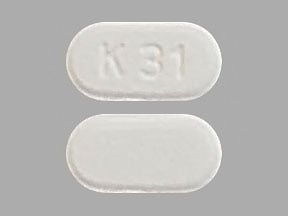
Zetia
Brand for: Ezetimibe
My Prescription
Payment
Select pharmacy




$23.34
Print or send this coupon to your phone
AlbertsonsPowered byAbout Zetia
Drug Details
Ezetimibe, also known as Zetia, is a medication used to manage high cholesterol levels in the blood. It is designed to reduce both total cholesterol and low-density lipoprotein (LDL), commonly referred to as "bad" cholesterol. Ezetimibe functions by inhibiting the absorption of cholesterol from your diet within the gut. This drug can be taken on its own or alongside other cholesterol-lowering medications such as statins or fibrates. For optimal results, it is crucial to pair the medication with a low-cholesterol, low-fat diet and regular exercise. By lowering cholesterol levels, ezetimibe helps in reducing the risk of strokes and heart attacks. Always consult with a healthcare professional before starting any new medication or treatment plan.
Zetia (Ezetimibe) dosage forms
| Dosage | Quantity | Price from | Per unit |
|---|---|---|---|
| 10MG | 90 Tablets | $23.34 | $0.26 |
| 10MG | 1 Tablet | $14.08 | $14.08 |
| 10MG | 20 Tablets | $15.69 | $0.78 |
| 10MG | 30 Tablets | $16.54 | $0.55 |
| 10MG | 500 Tablets | $51.50 | $0.10 |
Zetia FAQs
Zetia (ezetimibe) and statins are both used to lower cholesterol levels, but they work in different ways. Zetia reduces cholesterol absorption in the small intestine, while statins inhibit an enzyme in the liver responsible for producing cholesterol. As a result, Zetia is often used in combination with statins to enhance cholesterol-lowering effects.
The most common side effect of Zetia (ezetimibe) is gastrointestinal discomfort, which may include symptoms such as diarrhea or abdominal pain.
While taking Zetia (ezetimibe), it is generally recommended to avoid consuming large amounts of grapefruit or grapefruit juice, as it can interact with cholesterol-lowering medications. Additionally, patients should be cautious with high-fat and high-cholesterol foods, as these can counteract the medication's effectiveness in managing cholesterol levels. It is always best to follow a healthcare provider's dietary recommendations while on this medication.
Some side effects of Zetia (ezetimibe) may diminish over time as the body adjusts to the medication. Common side effects like headache, diarrhea, or fatigue might improve as treatment continues. However, if side effects persist or become bothersome, it is important to consult a healthcare provider. They can provide guidance on managing side effects or consider alternative treatments if necessary.
Zetia (ezetimibe) should not be taken with certain drugs due to potential interactions. These include:1. **Cholestyramine**: This bile acid sequestrant can reduce the absorption of Zetia.2. **Fibrates**: Such as fenofibrate, may increase the risk of gallstones when taken with Zetia.3. **Cyclosporine**: Can increase the levels of Zetia in the blood, requiring careful monitoring.4. **Warfarin**: May require monitoring of INR levels as Zetia can affect its anticoagulant effect.Patients should always consult their healthcare provider before starting or stopping any medication.