
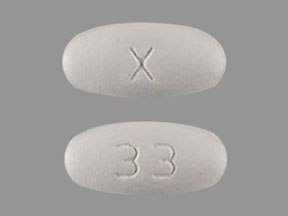
Augmentin
Brand for: Amoxicillin-clavulanate
My Prescription
Payment
Select pharmacy




$19.90
Print or send this coupon to your phone
AlbertsonsPowered byAbout Augmentin
Drug Details
Amoxicillin/clavulanic acid, commonly known as Augmentin, is a penicillin-type antibiotic combined with a beta-lactamase inhibitor. This medication is used to effectively treat a range of bacterial infections, including ear infections, sinus infections, lower respiratory tract infections, skin infections such as cellulitis, and urinary tract infections (UTIs). It operates by inhibiting bacterial growth and preventing bacteria from protecting themselves, ensuring effective treatment. Augmentin is available in various forms, including tablets, chewable tablets, and a liquid suspension, and is typically taken two to three times daily. Suitable for both adults and children, common side effects can include diarrhea, nausea, and rash. It is essential to use this antibiotic only for bacterial infections, as incorrect use can lead to decreased effectiveness in future treatments. Always consult your healthcare provider for personalized advice and before starting any new medication.
Augmentin (Amoxicillin-clavulanate) dosage forms
| Dosage | Quantity | Price from | Per unit |
|---|---|---|---|
| 500-125MG | 20 Tablets | $20.48 | $1.02 |
| 500-125MG | 14 Tablets | $18.54 | $1.32 |
| 500-125MG | 21 Tablets | $20.81 | $0.99 |
| 500-125MG | 28 Tablets | $23.08 | $0.82 |
| 500-125MG | 30 Tablets | $23.72 | $0.79 |
Augmentin FAQs
Augmentin is mainly used to treat bacterial infections. It is effective against a variety of infections, including those of the respiratory tract, urinary tract, skin, and sinus.
Augmentin is considered a broad-spectrum antibiotic, which means it is effective against a wide range of bacteria. It combines amoxicillin with clavulanic acid to enhance its effectiveness against bacteria that produce beta-lactamase, an enzyme that can make some bacteria resistant to antibiotics. While it is strong in terms of its broad coverage, the appropriateness of its use depends on the specific infection and the bacteria involved. A healthcare provider should determine if Augmentin is the right choice for a particular infection.
The most common side effect of Augmentin is gastrointestinal upset, which often includes diarrhea.
Augmentin is commonly used to treat a variety of bacterial infections. These include respiratory tract infections such as sinusitis, pneumonia, and bronchitis; ear infections; urinary tract infections; skin infections; and infections of the soft tissues. It is effective against infections caused by bacteria that are susceptible to the combination of amoxicillin and clavulanate potassium.
Augmentin should not be taken with allopurinol, as this combination can increase the risk of skin rashes. Additionally, it is advisable to avoid alcohol while taking Augmentin, as it may increase the risk of liver problems or gastrointestinal side effects. Always consult with a healthcare provider for a comprehensive list of potential interactions with other medications or supplements.