
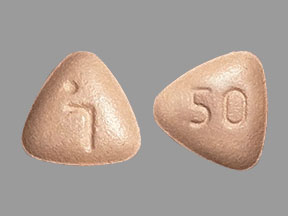
Quviviq
My Prescription
Payment
Select pharmacy




$135.00
Print or send this coupon to your phone
CVSPowered byAbout Quviviq
Drug Details
Quviviq, also known by its generic name daridorexant, is prescribed for adults experiencing insomnia, a condition characterized by difficulty in falling or staying asleep. This medication helps improve sleep quality by promoting both the onset and maintenance of sleep, ensuring a more restful night. It functions as an orexin antagonist, blocking the orexin protein in the brain responsible for wakefulness, thereby facilitating better sleep. Quviviq is administered as a tablet about 30 minutes before bedtime and should only be taken when you can dedicate at least 7 hours to sleep. Common side effects may include headache, daytime drowsiness, and dizziness. As a Schedule IV controlled substance, there is a potential for misuse. If your sleep issues persist beyond 7 to 10 days, consult your healthcare provider for further evaluation and management.
Price history for Quviviq
30 Tablets, 50MG
Average retail price for Quviviq
Average SaveHealth price for Quviviq
Our price history data is based on aggregated prescription data collected from participating pharmacies in America. Our prescription data updates daily to reflect the latest price changes. If you notice a missing data point, it means there wasn't sufficient data available to generate a monetary value for that date.
*Retail prices are based on pharmacy claims data, and may not be accurate when we don't have enough claims.
Quviviq dosage forms
| Dosage | Quantity | Price from | Per unit |
|---|---|---|---|
| 25MG | 7 Tablets | $133.01 | $19.00 |
| 25MG | 30 Tablets | $518.13 | $17.27 |
| 50MG | 30 Tablets | $518.06 | $17.27 |
| 50MG | 7 Tablets | $133.01 | $19.00 |
Quviviq FAQs
The effectiveness of Quviviq (daridorexant) compared to Ambien (zolpidem) can vary depending on the individual's specific needs and response to the medication. Quviviq is a newer medication that works as a dual orexin receptor antagonist, while Ambien is a sedative-hypnotic. Some patients may find Quviviq more effective with fewer side effects, while others may respond better to Ambien. It is important for individuals to consult with their healthcare provider to determine which medication is more suitable for their condition.
Quviviq (daridorexant) is a medication used to treat insomnia in adults. It works by blocking the action of orexin, a neurotransmitter involved in wakefulness, thereby promoting sleep. Its effectiveness can vary from person to person, and it is important to consider potential side effects and interactions with other medications. Consulting with a healthcare provider is recommended to determine if Quviviq is a suitable option for an individual's specific needs and health condition.
Quviviq is a medication used for the treatment of insomnia. It is classified as a dual orexin receptor antagonist, which works by blocking the action of orexins, chemicals in the brain that promote wakefulness.
The cost of Quviviq, like many medications, can be influenced by several factors. These may include the research and development expenses incurred by the pharmaceutical company, the costs associated with clinical trials, the pricing strategies of the manufacturer, and the regulatory requirements for bringing a new drug to market. Additionally, market exclusivity and patent protection can also play a role in the pricing of new medications. It's important for patients to discuss with their healthcare providers or pharmacists about potential cost-saving options, such as insurance coverage or patient assistance programs.
The effectiveness of Quviviq (daridorexant) versus Trazodone for treating sleep disorders depends on the individual's specific condition and response to the medication. Quviviq is a dual orexin receptor antagonist specifically approved for insomnia, while Trazodone is an antidepressant often used off-label for sleep due to its sedative properties. A healthcare provider should evaluate the patient's medical history, symptoms, and potential side effects to determine the most appropriate treatment.